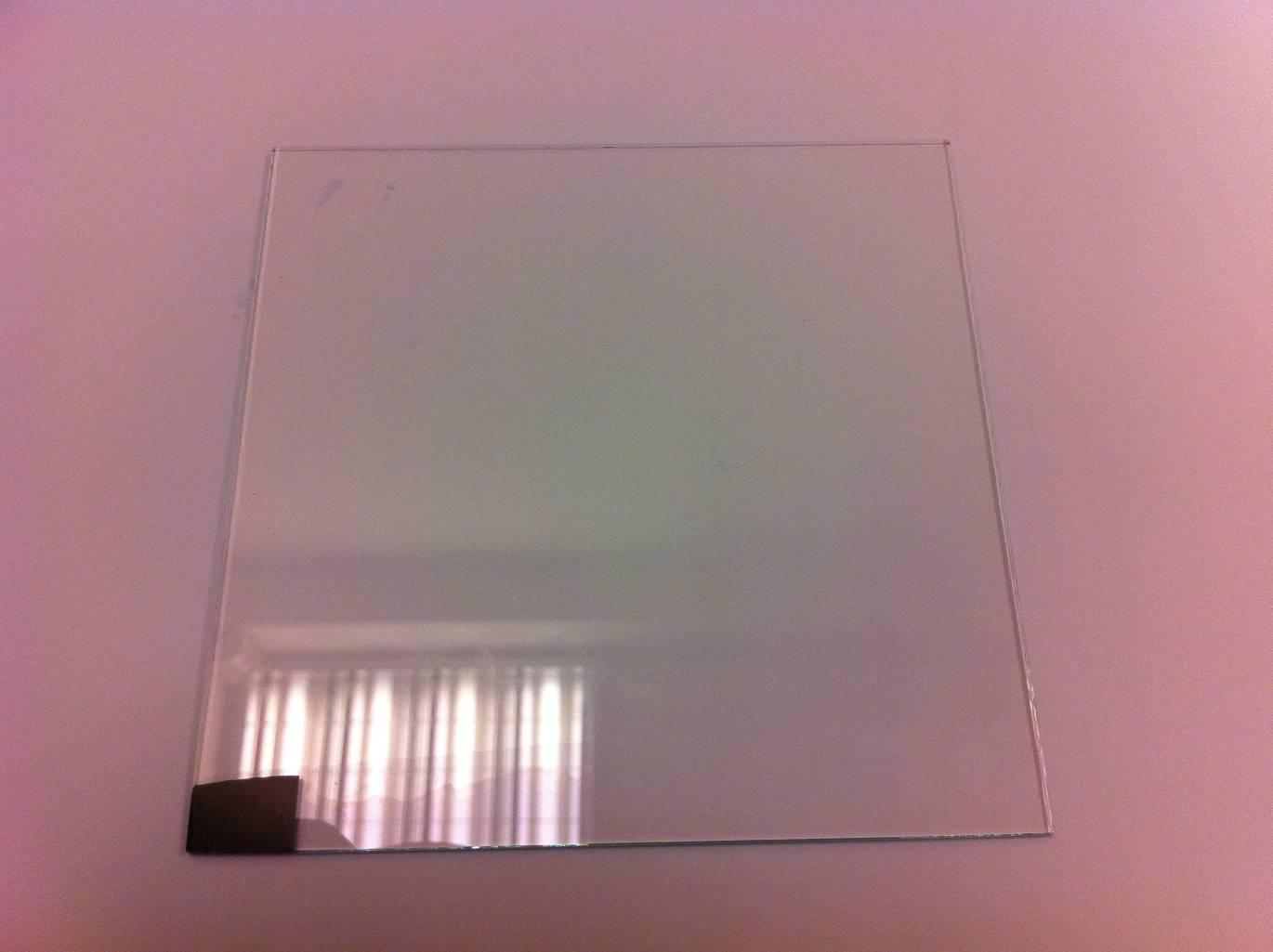
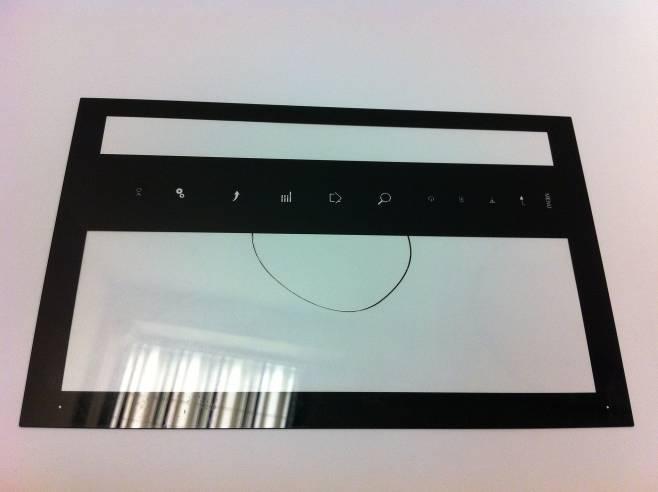
PTC05 and PTC13 applied to IDEETech CG sample hardened ink peel test report
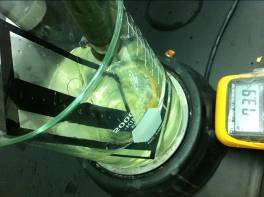
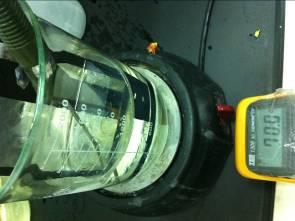
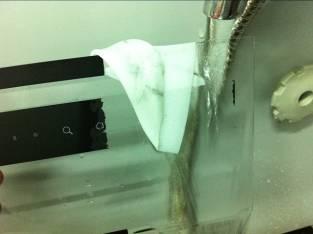
1. Use PTC05 (95% PTC05, 5% water), heat at 75°C and soak for 30 minutes. Then wipe off with a lint-free cloth.
-
-
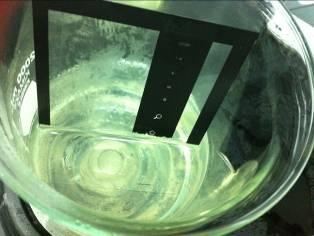
Place in PTC05 (95% PTC05, 5% water) at 75°C, heat and soak for 30 minutes.
-
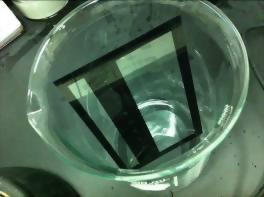
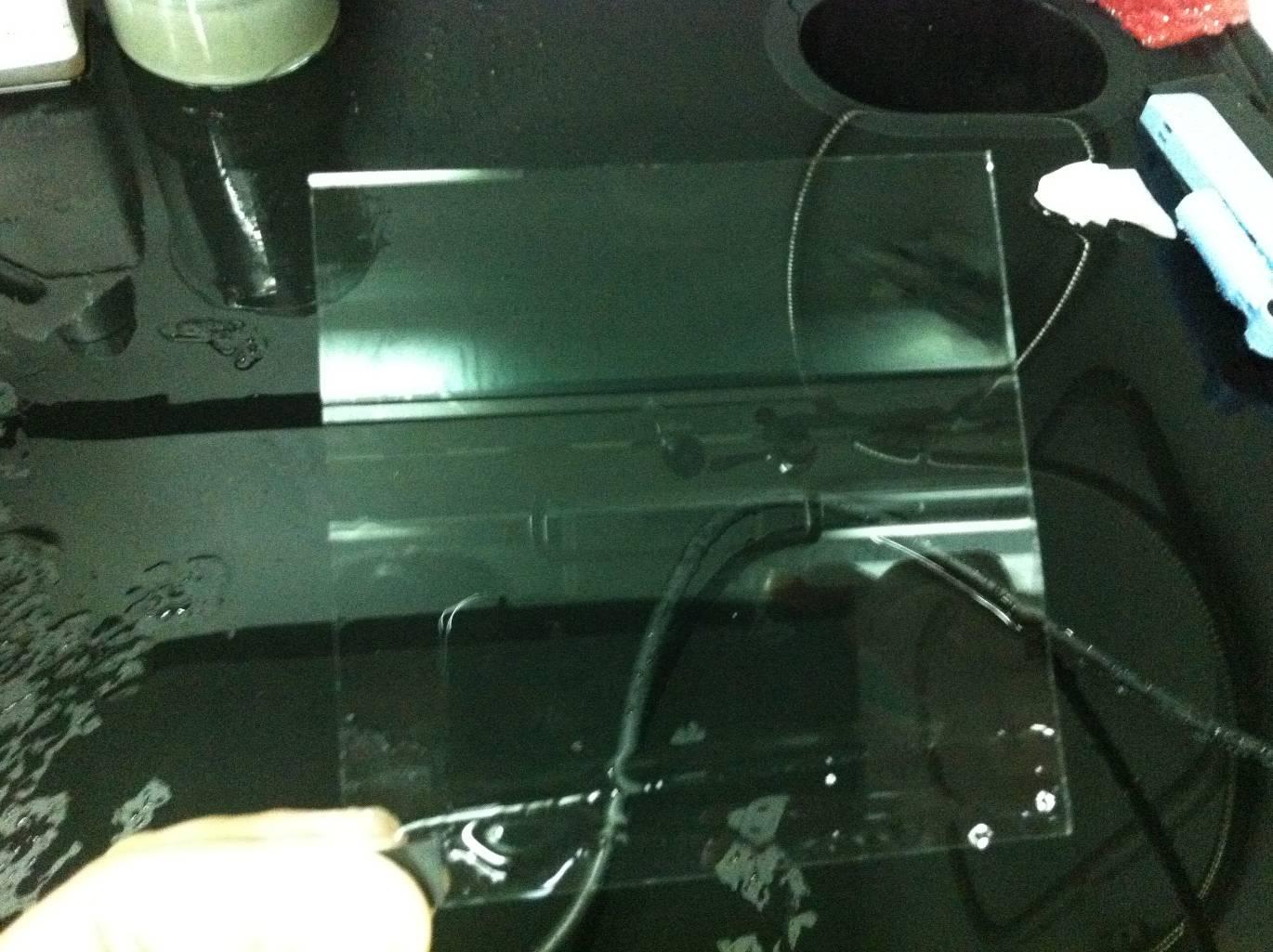
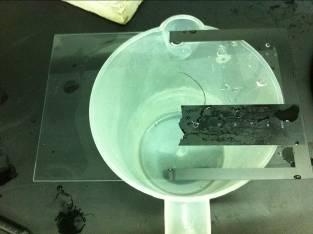
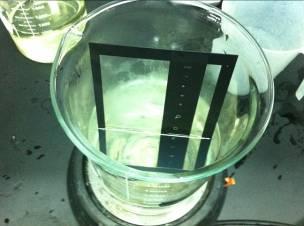
The ink in the middle of the glass peeled off significantly after soaking for 10 minutes.
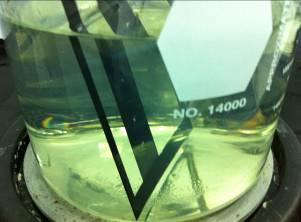
Soak for 1 minute
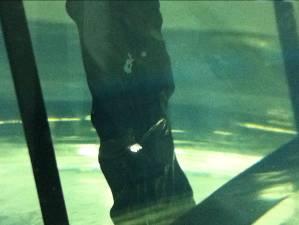
Soak for 10 minutes
-
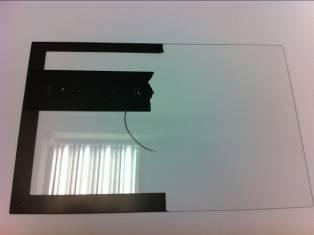
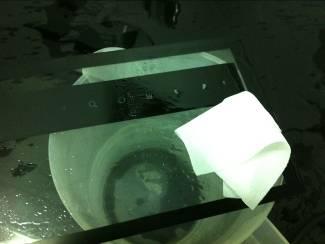
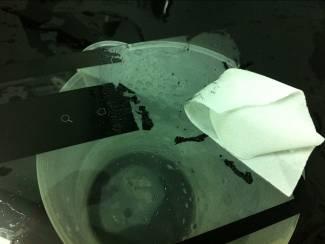
The ink on the four sides of the glass still does not peel off after soaking PTC05 for 30 minutes. But take it out and wipe it with a lint-free cloth, it can be easily wiped off. There is a small amount of ink residue, soak PTC05 again, after 10 minutes, it can be completely removed.
-
Suggestions and discussions:
5.1 PTC05 confirms that the CG sample provided to IDEETech can effectively remove the hardened black frame ink on it. Preliminary judgment does not damage the anti-reflection film
5.2 Since the ink on the four sides of the glass does not swell and peel off, it is impossible to determine whether it can be removed by wiping it with a clean cloth within 10 minutes of soaking. It is recommended that process engineers need to reconfirm the corresponding parameters of time and temperature.
5.3 Automated suggested process:
5.3.1 Prewash tank. Pre-wash with ultrasonic wave at 60°C, PTC05 for 1 minute. Wash off the particles on it to avoid scratches on the glass when the rear leaf-type brushing machine scrubs.
5.3.2 Soaking tank. Soak at 75°C PTC05 for 5-10 minutes. Decomposes and softens hardened ink.
5.3.3 Scrub tank. Scrub with a leaf-type brushing machine to wash off the ink.
5.3.4 Re-soak tank. Soak for 5 minutes at 75°C PTC05. This step is to confirm that the hardened ink that may not have come off completely in the previous step due to too much thickness can be decomposed and softened again.
5.3.5 Scrub tank. Scrub with a leaf-type brushing machine to remove all ink, pollutants and particles on the glass.
5.3.6 Washing tank. According to the design of the leaf brush washing machine, it is divided into 3~6 washing and drying.
5.4 PTC05 can generate a zeta potential greater than -36mv. Make the glass surface and the particle form an effective repulsive negative voltage. While peeling off the hardened ink on the glass, it can also effectively remove grease and particle pollution on the glass.
2. Use PTC13 (85% PTC13, 15% water), heat at 70°C and soak for 10 minutes. Then wipe off with a lint-free cloth.
-
-
Place in PTC13 (85% PTC13, 15% water) at 70°C, heat and soak for 10 minutes.
-
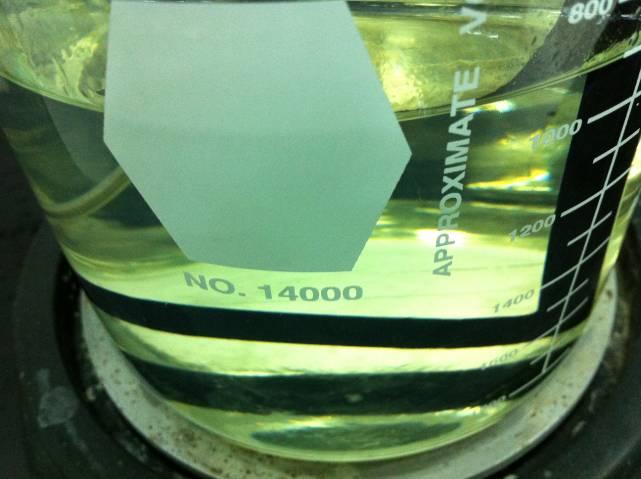
The ink in the middle of the glass peeled off significantly after soaking for 6 minutes.
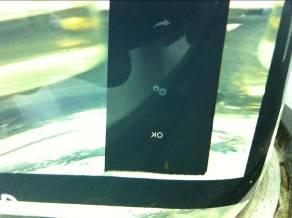
Soak for 1 minute
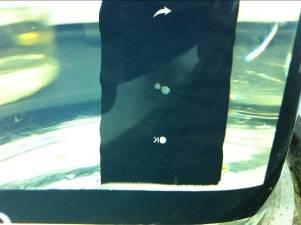
Soak for 6 minutes
-
The ink on the four sides of the glass still does not peel off after soaking PTC13 for 10 minutes. But take it out and wipe it with a lint-free cloth, it can be easily wiped off.
-
There is still a small amount of ink residue on the glass, which can be completely removed after soaking PTC13 again for 5 minutes.
-
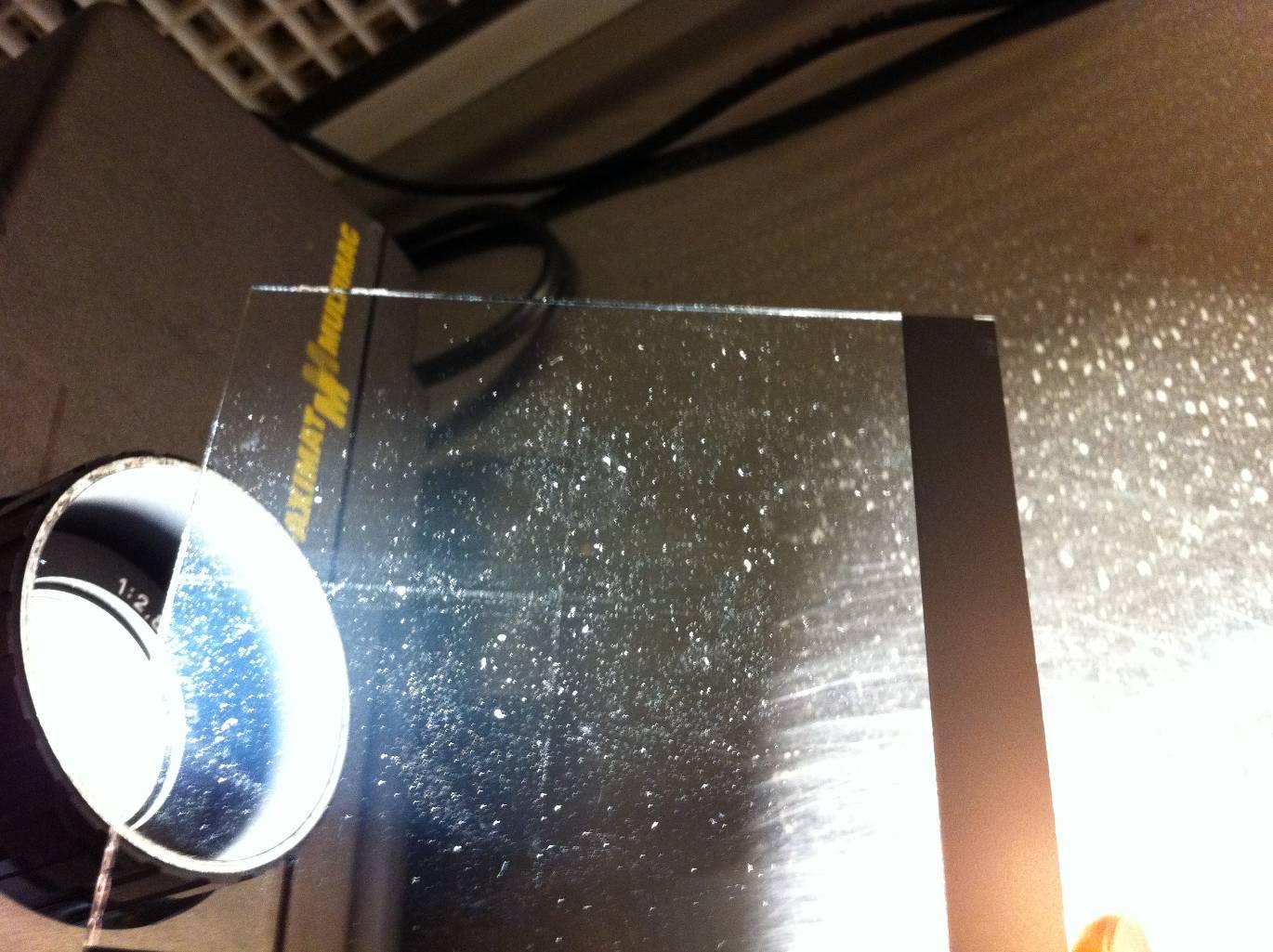
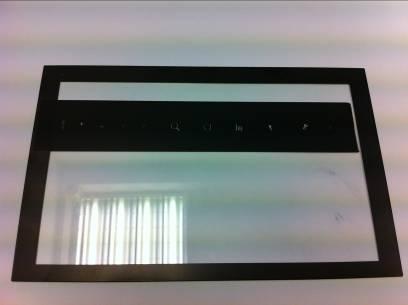
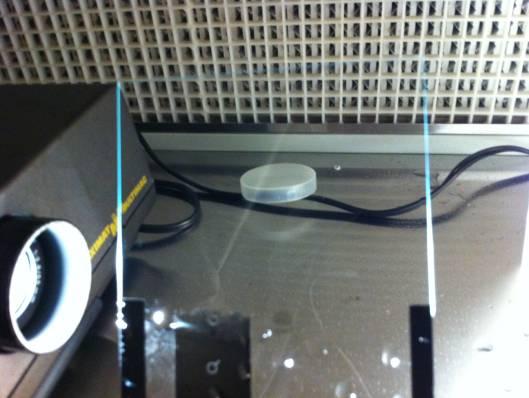
In a dust-free dark room, observe with a strong light to confirm that the black frame ink and particles can be completely removed.
-
Suggestions and discussions:
7.1 PTC13 confirms that the CG sample provided to IDEETech can effectively peel off the hardened black frame ink on it.
7.2 Since the ink on the four sides of the glass does not swell and peel off, it is impossible to determine whether it can be removed by wiping with a clean cloth within 10 minutes of soaking. It is recommended that process engineers need to reconfirm the corresponding parameters of time and temperature.
7.3 Automated suggested process:
7.3.1 Prewash tank. Pre-wash with ultrasonic waves at 60°C, PTC13 for 1 minute. Wash off the particles on it to avoid scratches on the glass when the rear leaf-type brushing machine scrubs.
7.3.2 Soaking tank. Soak for 7 (~10) minutes at 70°C PTC13. Decomposes and softens hardened ink.
7.3.3 Scrub tank. Scrub with a leaf-type brushing machine to wash off the ink.
7.3.4 Re-soak tank. Soak for 5 minutes at 70°C PTC13. This step is to confirm that the hardened ink that may not have come off completely in the previous step due to too much thickness can be decomposed and softened again.
7.3.5 Scrub tank. Scrub with plum-type brushing machine to remove all ink, pollutants and particles on the glass.
7.3.6 Washing tank. According to the design of plum-page brush washing machine, it is divided into 3~6 steps of washing and drying.
7.4 PTC13 can generate a zeta potential greater than -45mv. Make the glass surface and the particle form an effective repulsive negative voltage. While peeling off the hardened ink on the glass, it can also effectively remove grease and particle pollution on the glass.