• Micro dust cleaner

Micro dust cleaner

Model : PTC13

PTC13 applied to anti-fingerprint CG samples Peel off hardened ink test report

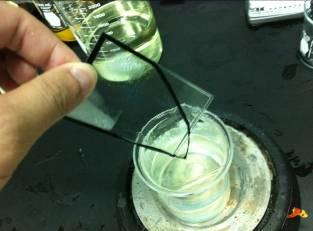
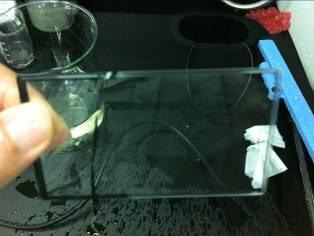
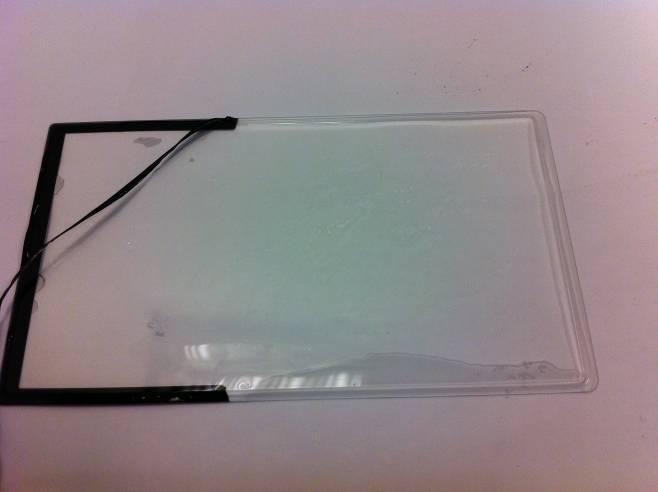
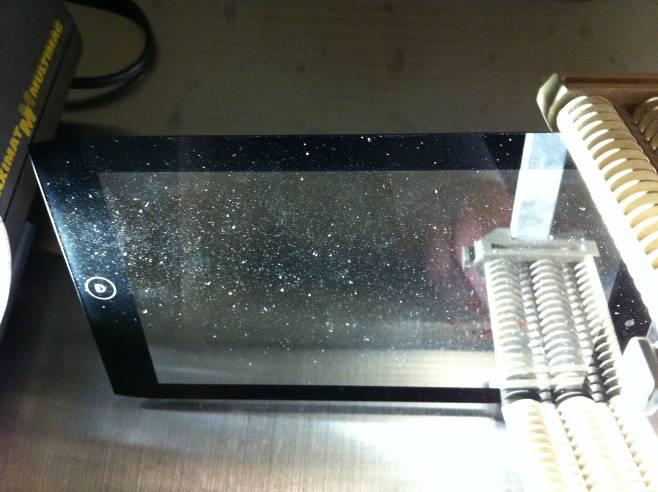
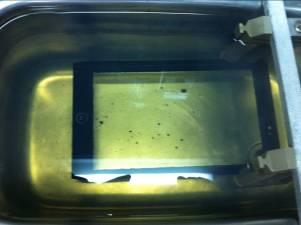
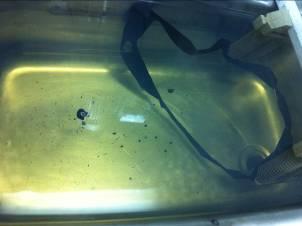
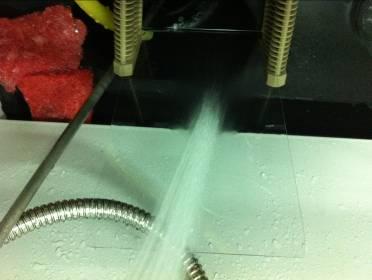
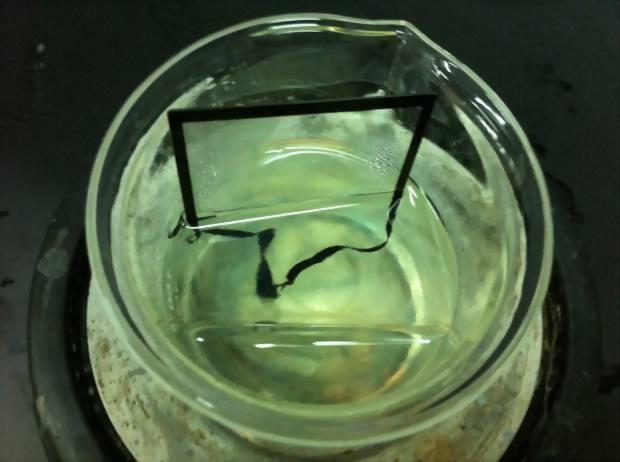
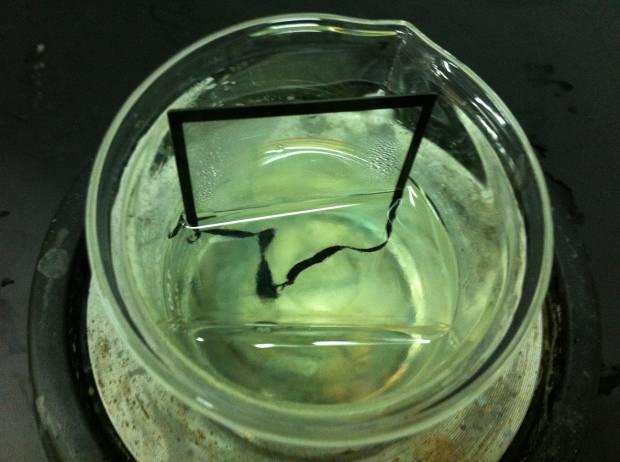
1. Use PTC13 (85% PTC13, 15% water), heat at 70°C, soak for 10 minutes, and peel off directly. Rinse off with pure water.

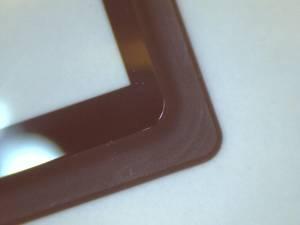
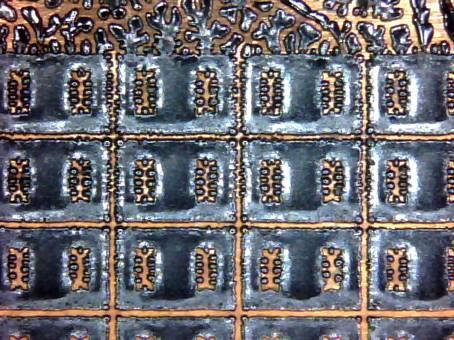
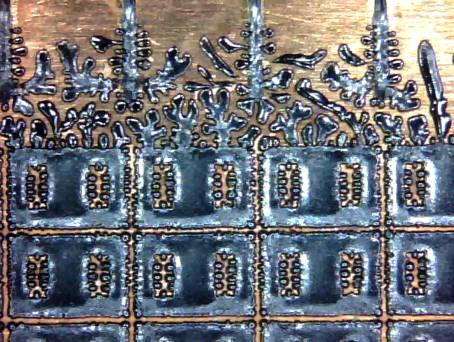
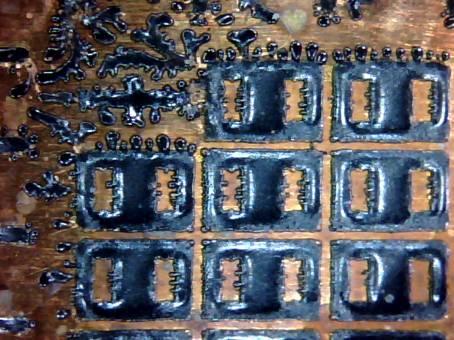
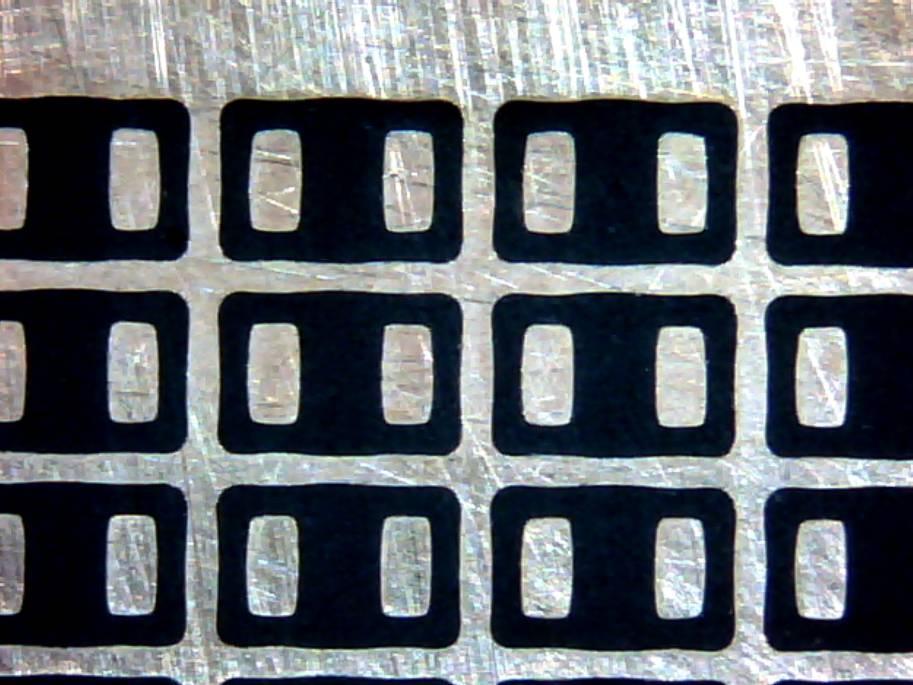
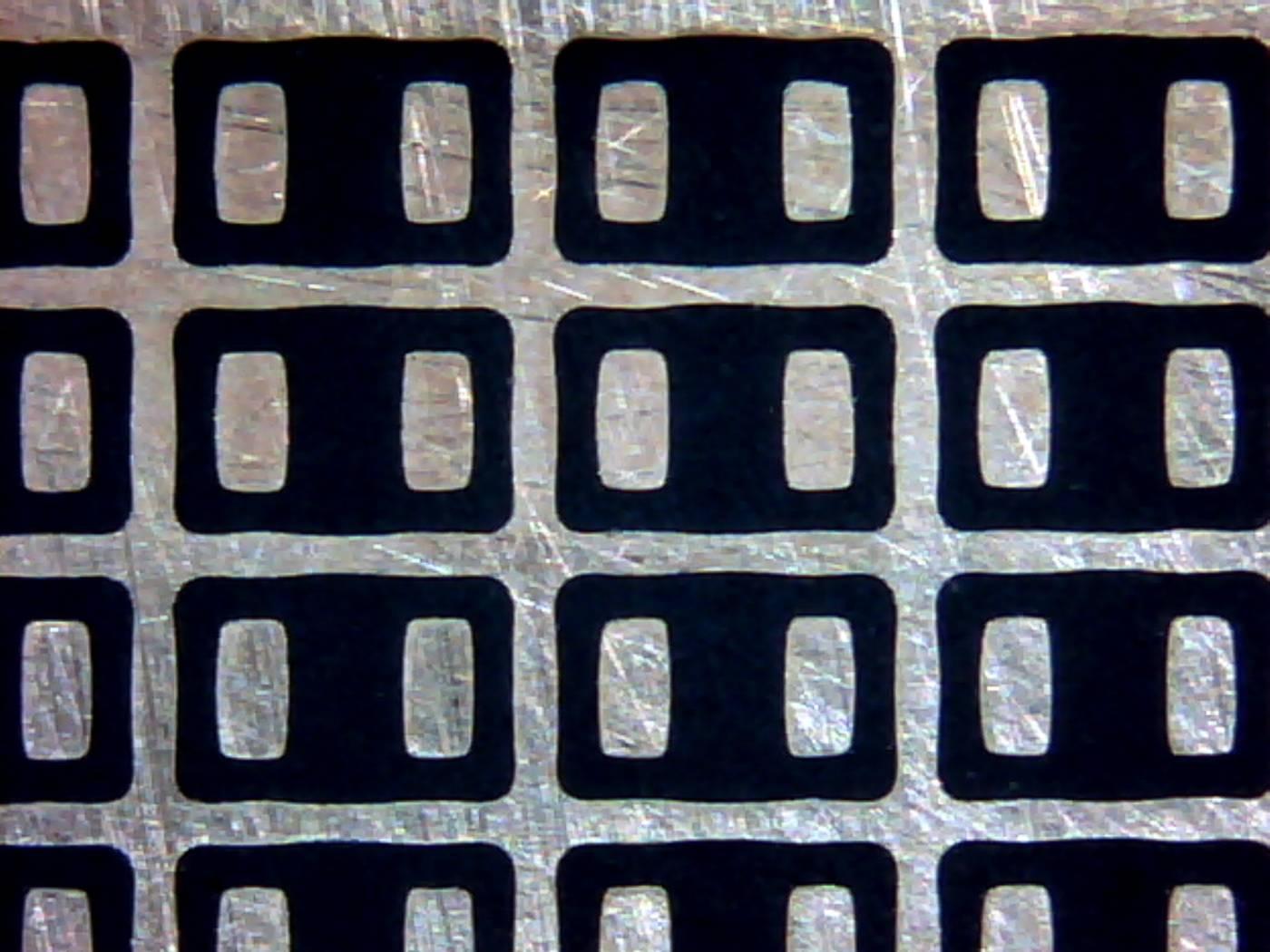
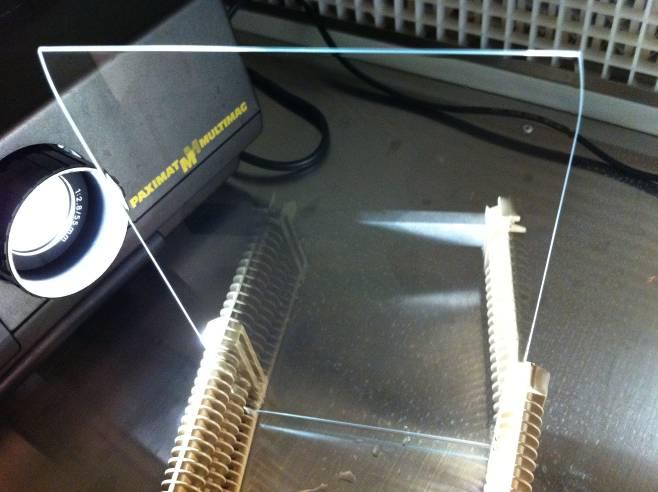
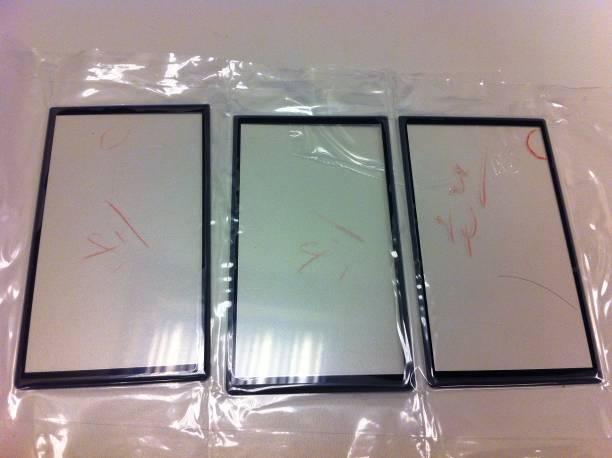
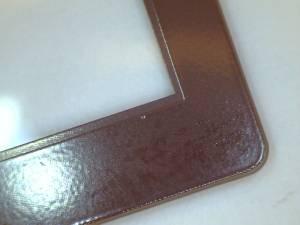
  1. Before cleaning, it can be seen from the enlarged picture that it is three-dimensional glass with gaps.
    01.jpg

    02.jpg

    03.jpg

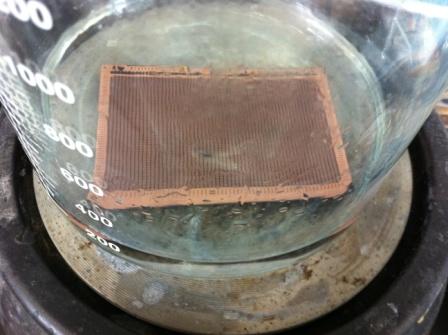
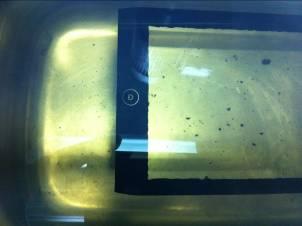
  2. Place in PTC13 (85% PTC13, 15% water) at 70°C, heat and soak for 10 minutes.
    04.jpg

    05.jpg

    06.jpg

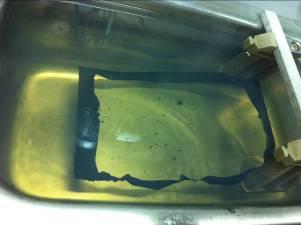
  3. Watch on the desktop

    07.jpg

    08.jpg

    09.jpg

  4. Suggestions and discussions:

    4.1 PTC13 confirms that the hardened black frame ink on the provided CG samples can be effectively peeled off.
    4.2 Placed at 70°C, heated and soaked for 10 minutes is a preliminary test condition, not the best parameter. It is recommended that process engineers need to reconfirm the corresponding parameters of time and temperature in order to find the shortest time and optimum temperature.
    4.3 Automation suggested process:
    4.3.1 Soaking tank. Soak at 70°C PTC13 for 5-10 minutes. Swell and peel hardened ink.
    4.3.2 Rinsing tank. According to the appropriate cleaning design, it is divided into 3~6 washing and drying.
    4.4PTC13 can generate a zeta potential greater than -45mv. Make the glass surface and the particle form an effective repulsive negative voltage. While peeling off the hardened ink on the glass, it can also effectively remove grease and particle pollution on the glass.
PTC13 dust cleaning agent applied to wafer package black glue residue cleaning test report

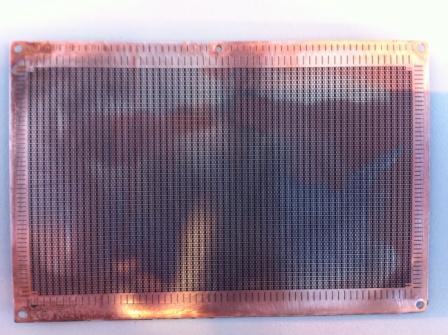
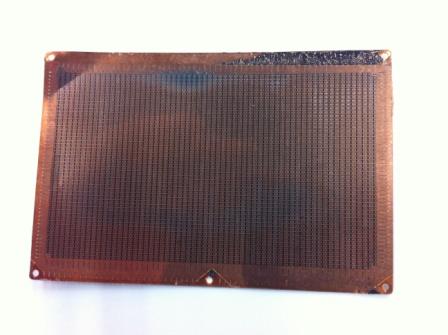
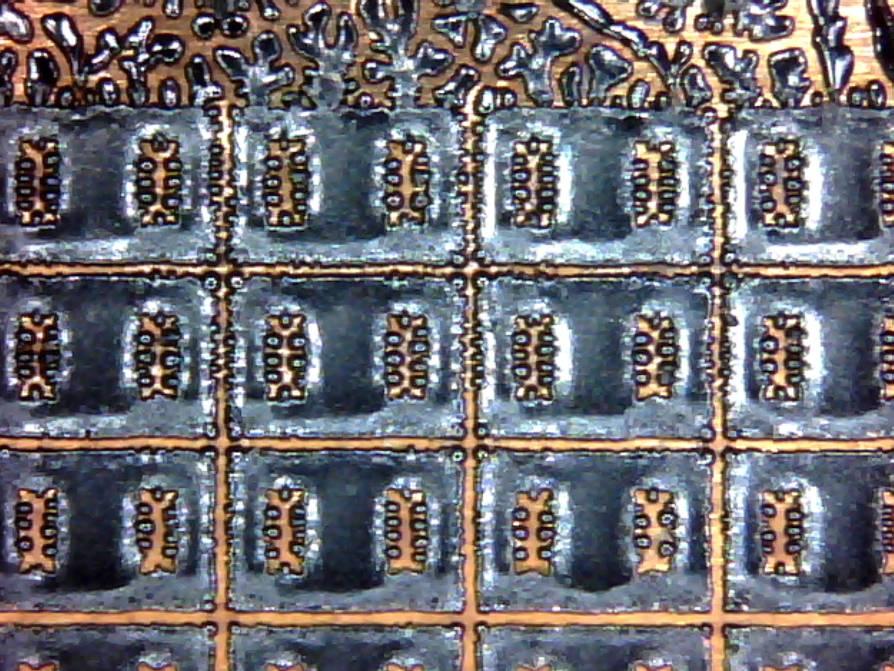
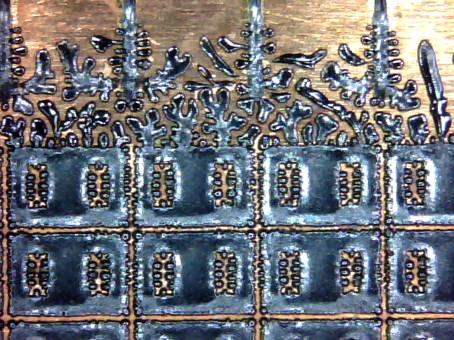
  1. Before cleaning, the surface is partially covered with epoxy vinyl overflow glue.

    10.jpg

    Zoom in on the darker part for observation:

    11.jpg

    12.jpg

    13.jpg

    14.jpg

    15.jpg

    16.jpg

    17.jpg

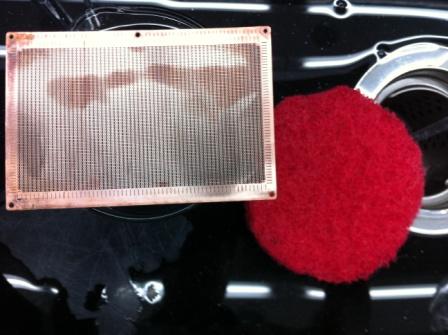
  2. Soak in 50% PTC13 micro-dust cleaning agent heated to 80°C for 30 minutes, and then scrub with red pickle cloth (without carborundum). (You can also use wet sandblasting instead of scrubbing with a pickle cloth)

    18.jpg

    19.jpg

  3. After cleaning. It can be found that the black liquid glue on the surface has been completely removed.

    20.jpg

    Observing the surface with a microscope, it is found that the overflow glue has been removed:

    21.jpg

    22.jpg

  4. Discussion: The efficiency of scrubbing with red pickle cloth is poor. It is recommended to grind and scrub with micron grade emery cloth, which is more efficient.

    23.jpg


Xiwei TM dust cleaning agent PTC13 applied to silver-plated metal wire frame Epoxy overflow glue cleaning test report

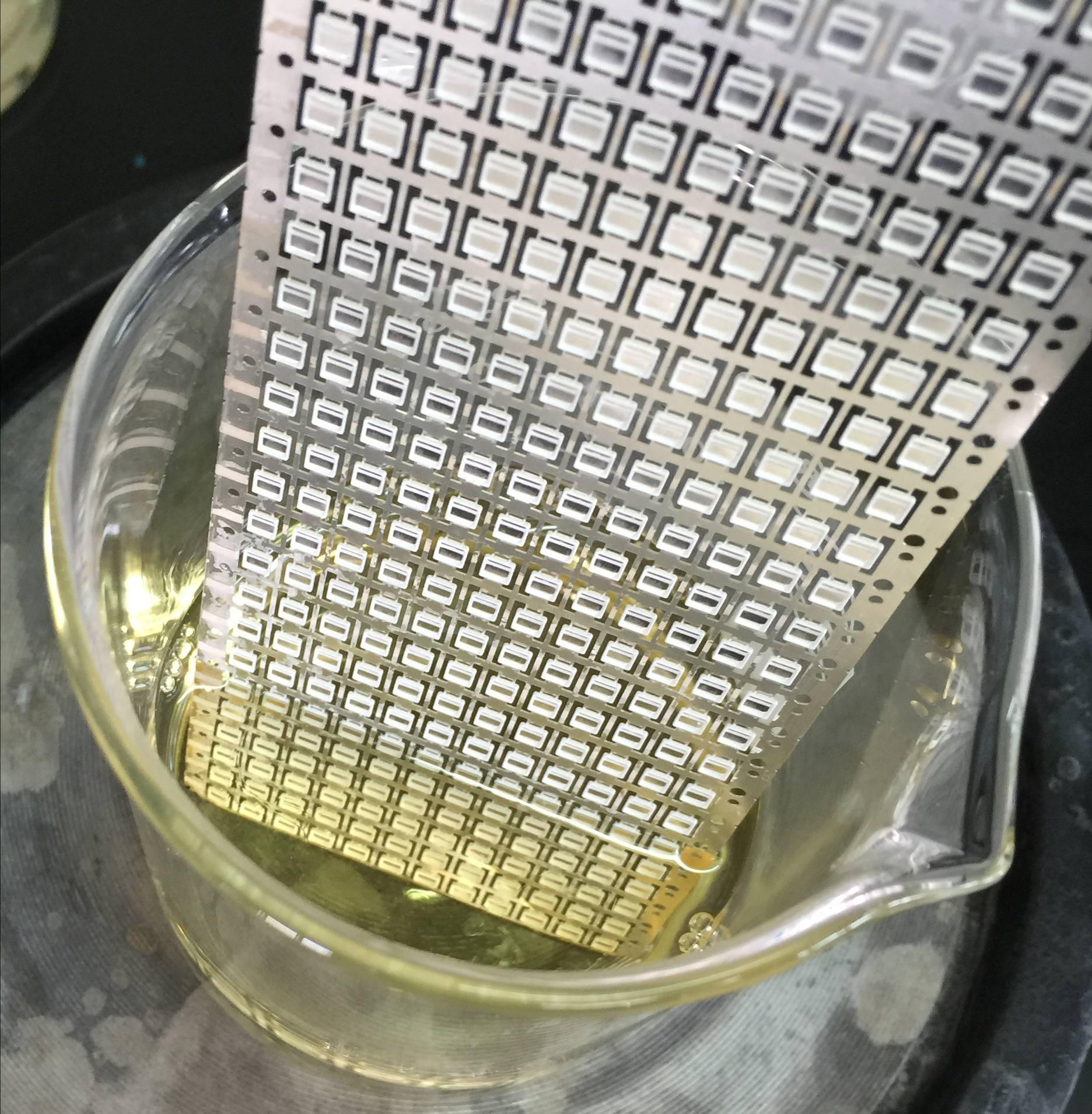
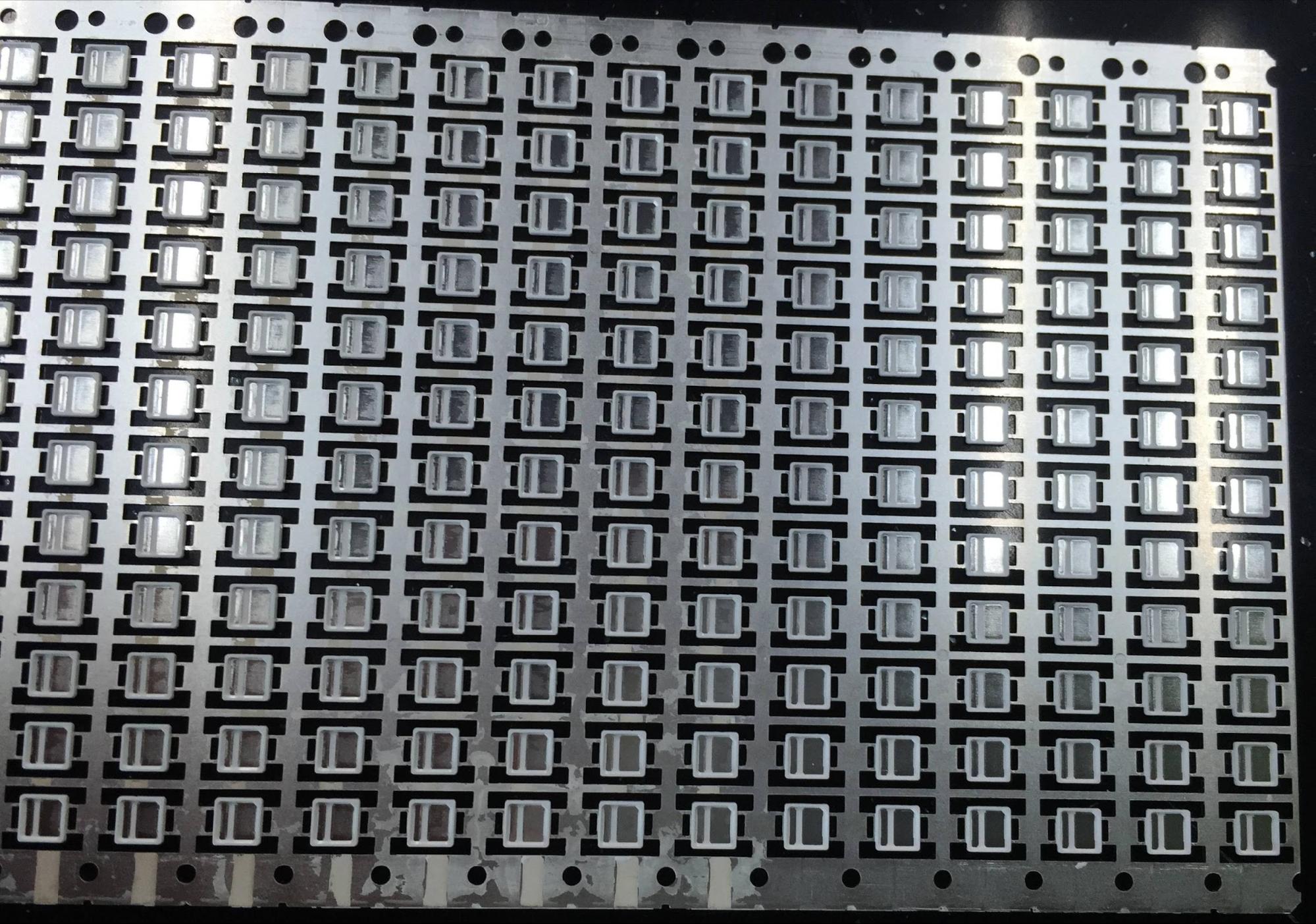
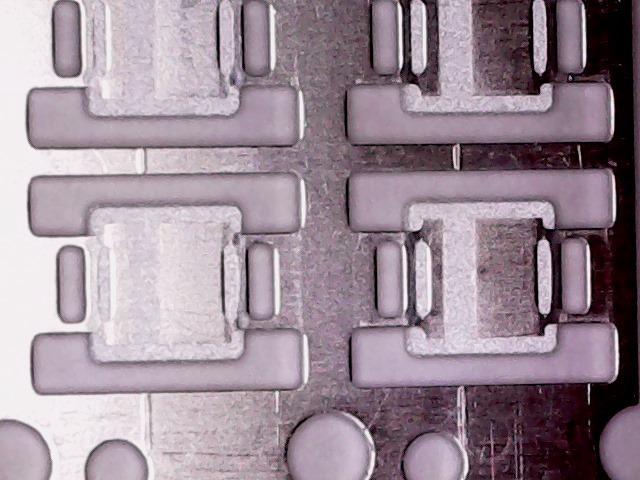
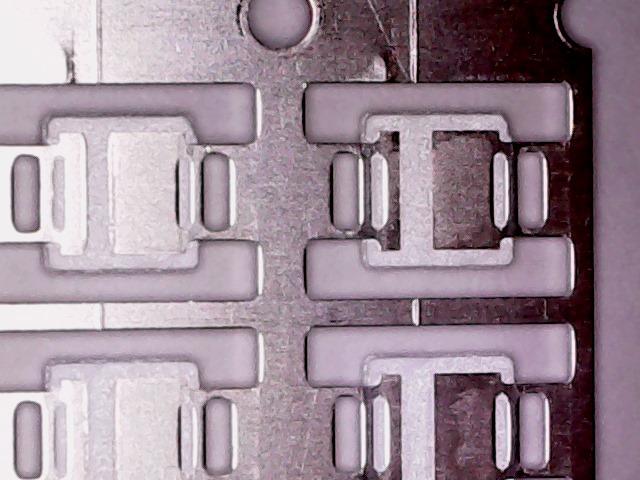
Workpiece description: The silver-plated metal lead frame is molded with Hitachi cel-w-7005d1 Epoxy resin. After baking and curing, it is found that there is a lot of Epoxy overflow on the lead frame. The purpose of this development project is to remove the overflowing glue on the lead frame, and the limiting conditions are: 80°C, soak for 5 minutes, and water jet spray can effectively remove it.

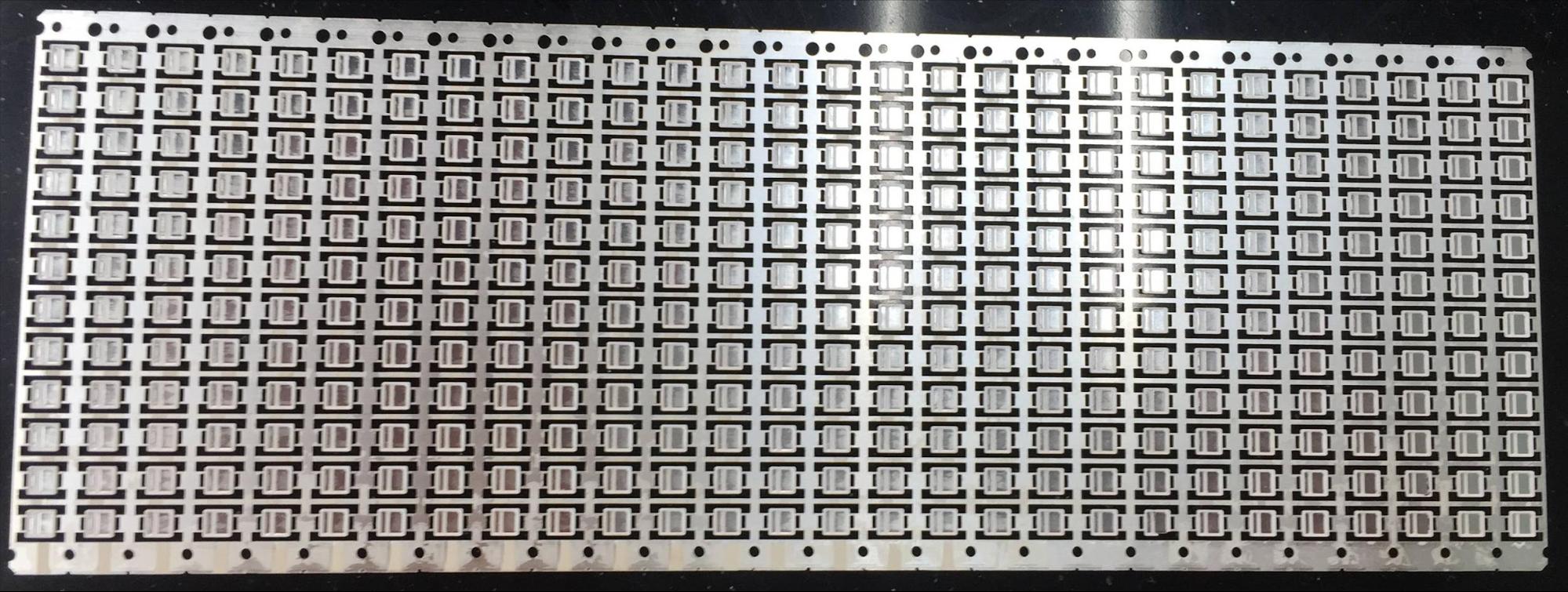
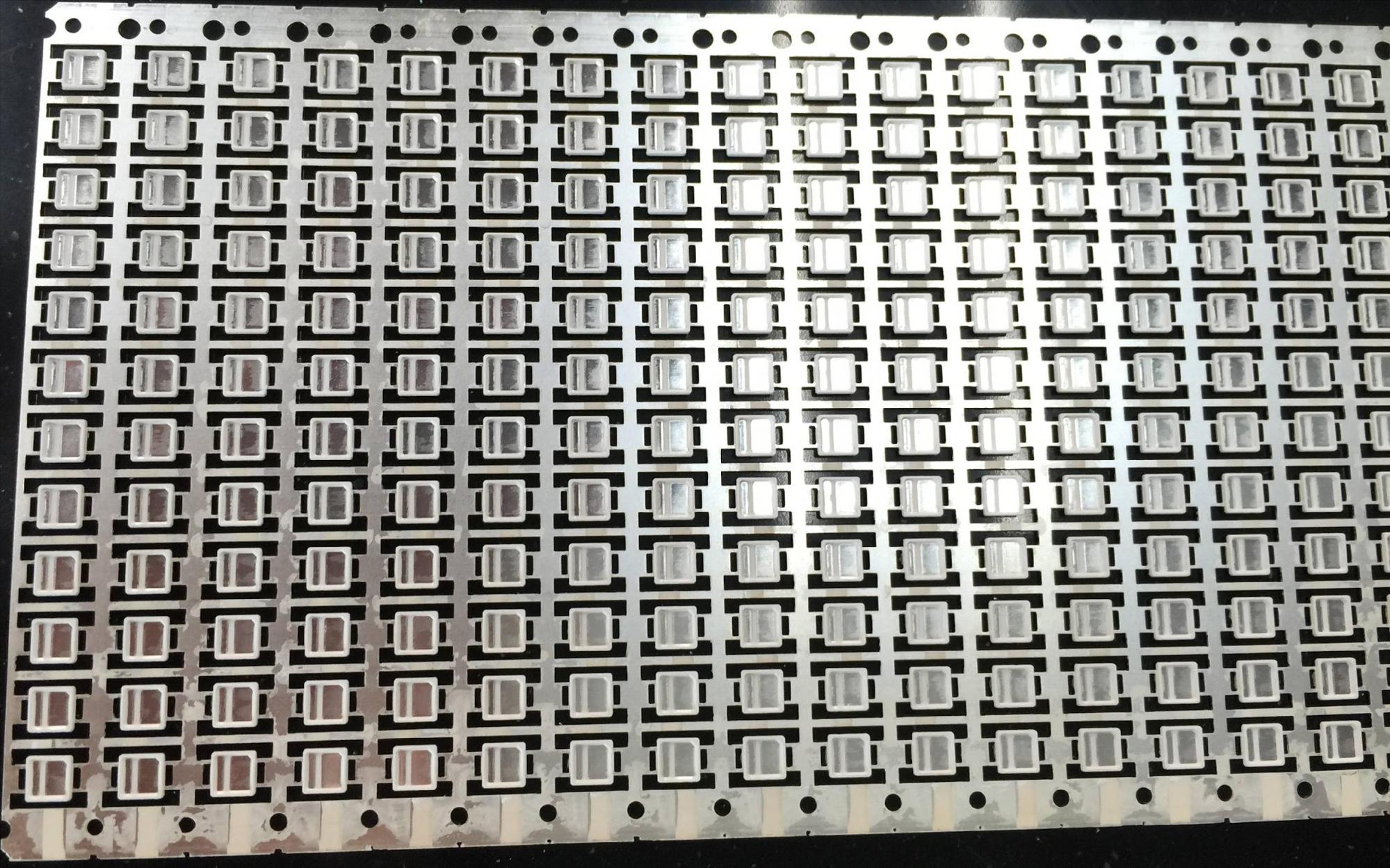
  1. Before washing, look. Lots of Epoxy spills on the lead frame.

    24.jpg

    25.jpg

  2. Take a piece of wire frame, the photo of the wire frame below, the right side of the red dotted line, is the part that has not been tested by chemical cleaning. Soak with dust cleaning agent PTC13 at 80°C for 5 minutes.

    26.jpg

    27.jpg

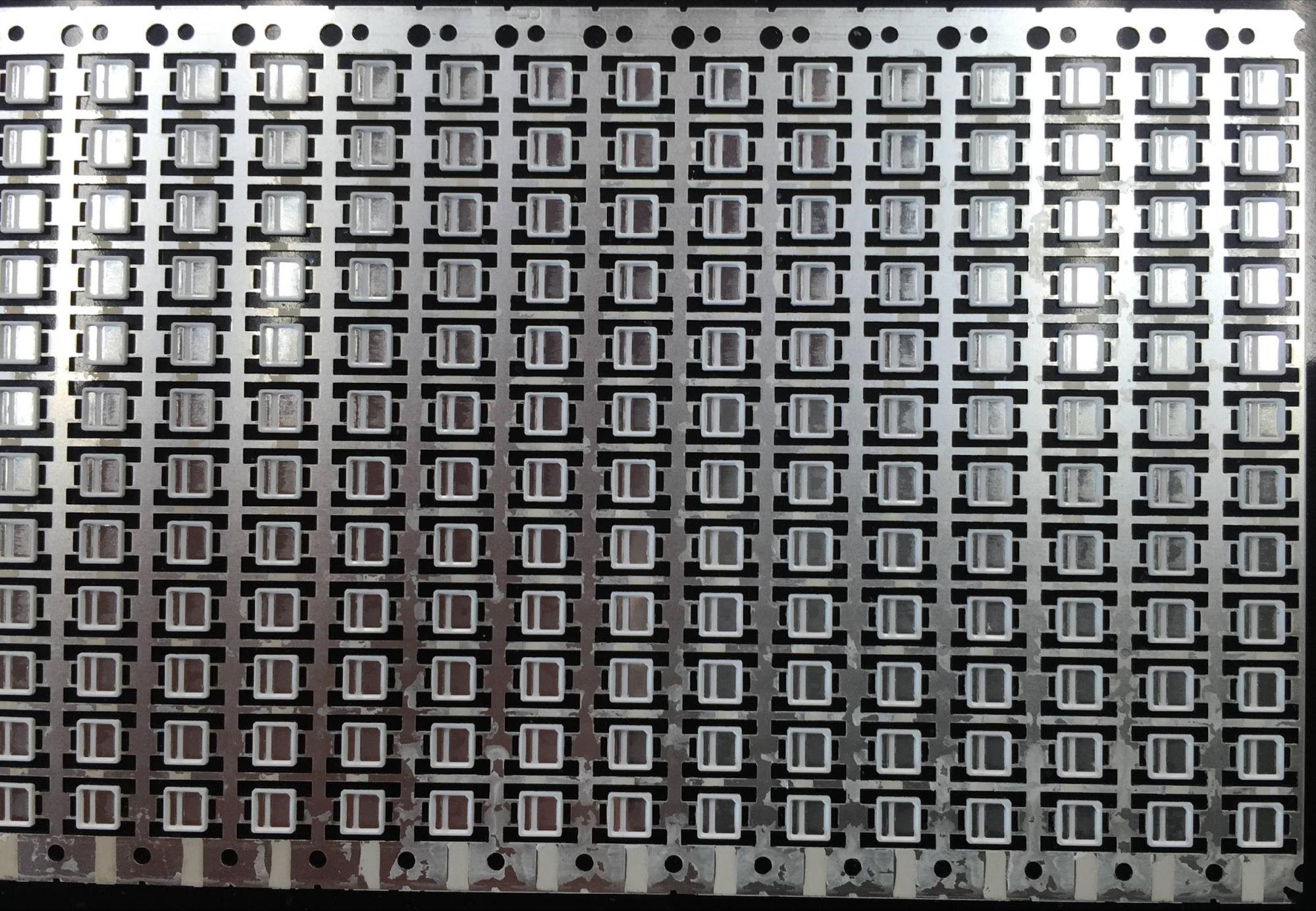
  3. After spraying with water mist, it is found that most of the overflowing glue can be effectively removed.

    28.jpg

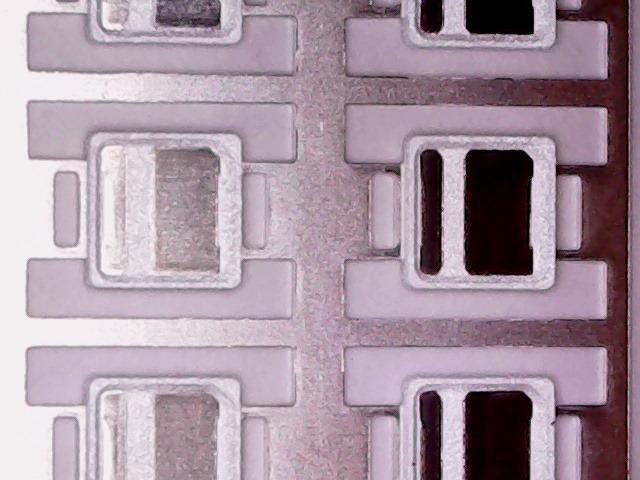
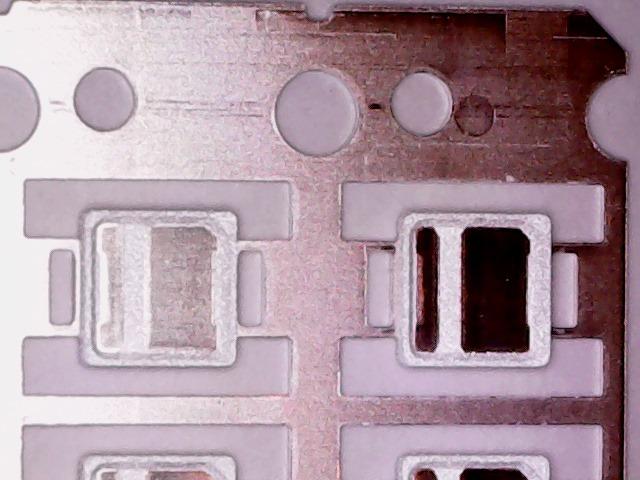
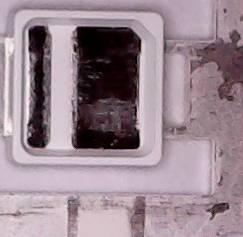
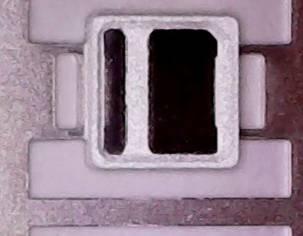
  4. Observed under a microscope, it was confirmed that the overflow glue can be effectively removed, but the cup frame formed by Epoxy resin has also been corroded.

    29.jpg

    30.jpg

    31.jpg

    32.jpg

    Comparison: The picture on the left is before cleaning, and the picture on the right is after soaking for 5 minutes with ACHM04-F Hardened Ink Remover at 80°C. It is found that the shape of the cup frame is relatively vague.

    33.jpg

    34.jpg

  5. In conclusion, it is confirmed that PTC13 can effectively remove overflow glue, but it will corrode the cup frame formed by Epoxy resin. Therefore not suitable for use.


Micro dust cleaning agent PTC13 applied to CG samples to strip hardened ink test report

1. Use PTC13 (85% PTC13, 15% water), heat at 70°C, soak for 10 minutes, and peel off directly. Rinse off with pure water.

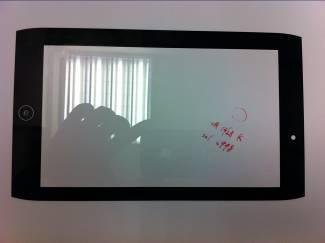
  1. Before washing. It can be cleaned under a clean room with strong light, and it can be seen that there are many particles on the surface. The purpose of cleaning the workpiece is to remove the hardened black frame ink on the cover glass and the particles on the glass.
    35.jpg

    36.jpg

  2. Put it in PTC13 (85%PTC13, 15% water) at 70℃, heat and soak for 10 minutes.

    37.jpg

    38.jpg

    39.jpg

    40.jpg

  3. Rinse off with pure water.

    41.jpg

  4. Place it in a dust-free dark room and observe with strong light. quite clean.

    42.jpg

  5. Suggestions and discussions:

    5.1 PTC13 confirms that the hardened black frame ink on the provided CG sample can be effectively peeled off.
    5.2 Placed at 70°C, heated and soaked for 10 minutes is a preliminary test condition, not the best parameter. It is recommended that process engineers need to reconfirm the corresponding parameters of time and temperature in order to find the shortest time and optimum temperature.
    5.3 Automation suggested process:
    5.3.1 Soaking tank. Soak at 70°C PTC13 for 5-10 minutes. Swell and peel hardened ink.
    5.3.2 Rinsing tank. According to the appropriate cleaning design, it is divided into 3~6 washing and drying.
    5.4 PTC13 can generate a zeta potential greater than -45mv. Make the glass surface and the particle form an effective repulsive negative voltage. While peeling off the hardened ink on the glass, it can also effectively remove grease and particle pollution on the glass.