-
before cleaning
The appearance of the test piece, the metal disc is pasted on the slate/cement block/tile/tile with AB hardened glue. In the past, after the customer smashed the slate/cement block, etc., the AB glue attached to the disc was burned with a flame. After it is carbonized, use a knife to scrape off the AB glue remaining on the disc. Recycling metal discs in this way is time-consuming and labor-intensive, which consumes a lot of labor costs.
The purpose of this test is to remove the AB glue attached to the metal disc with a chemical agent, reduce labor costs, and the metal disc cannot be injured.

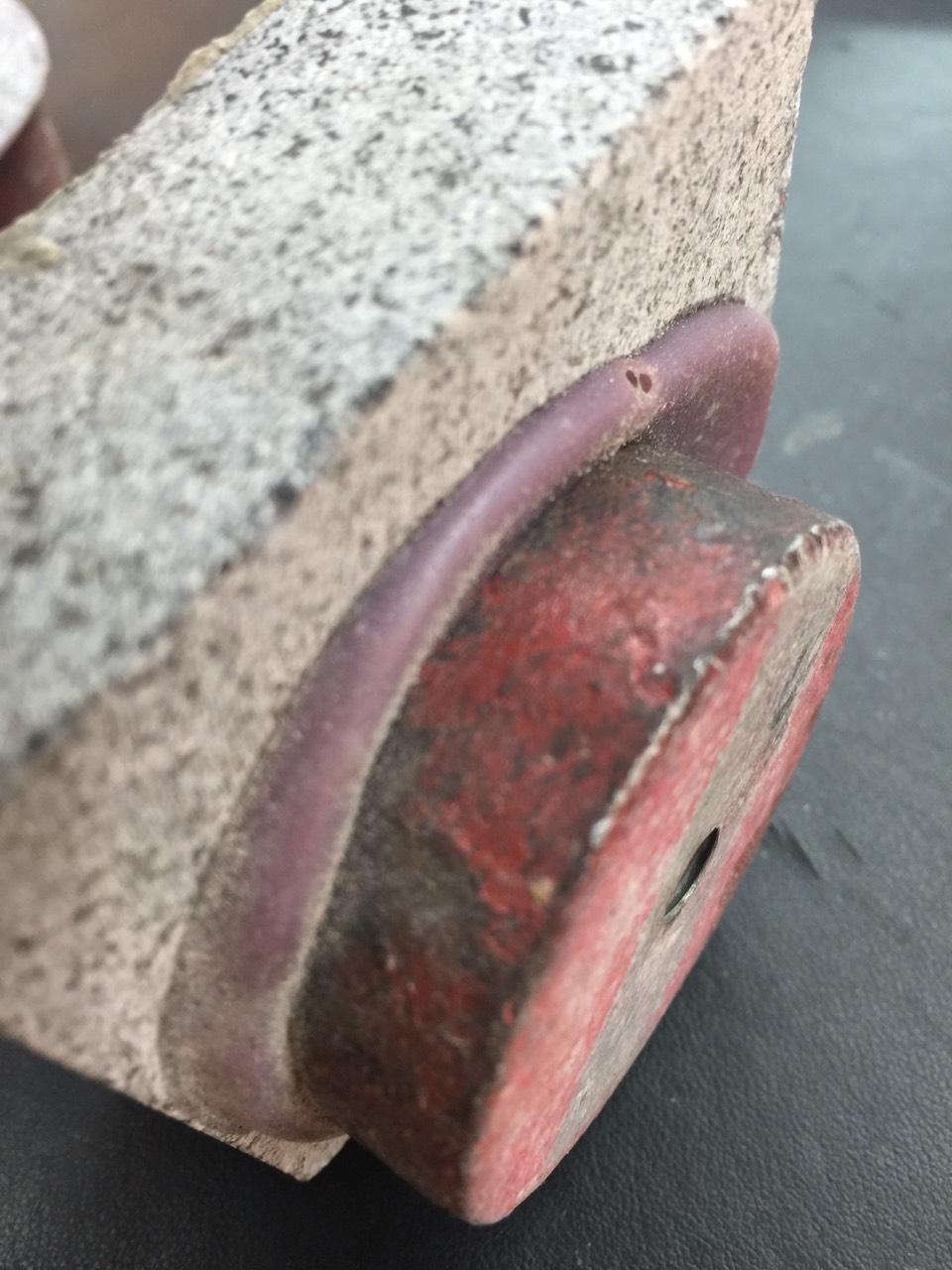
Crush the cement block of the test piece so that the AB glue is completely exposed.


-
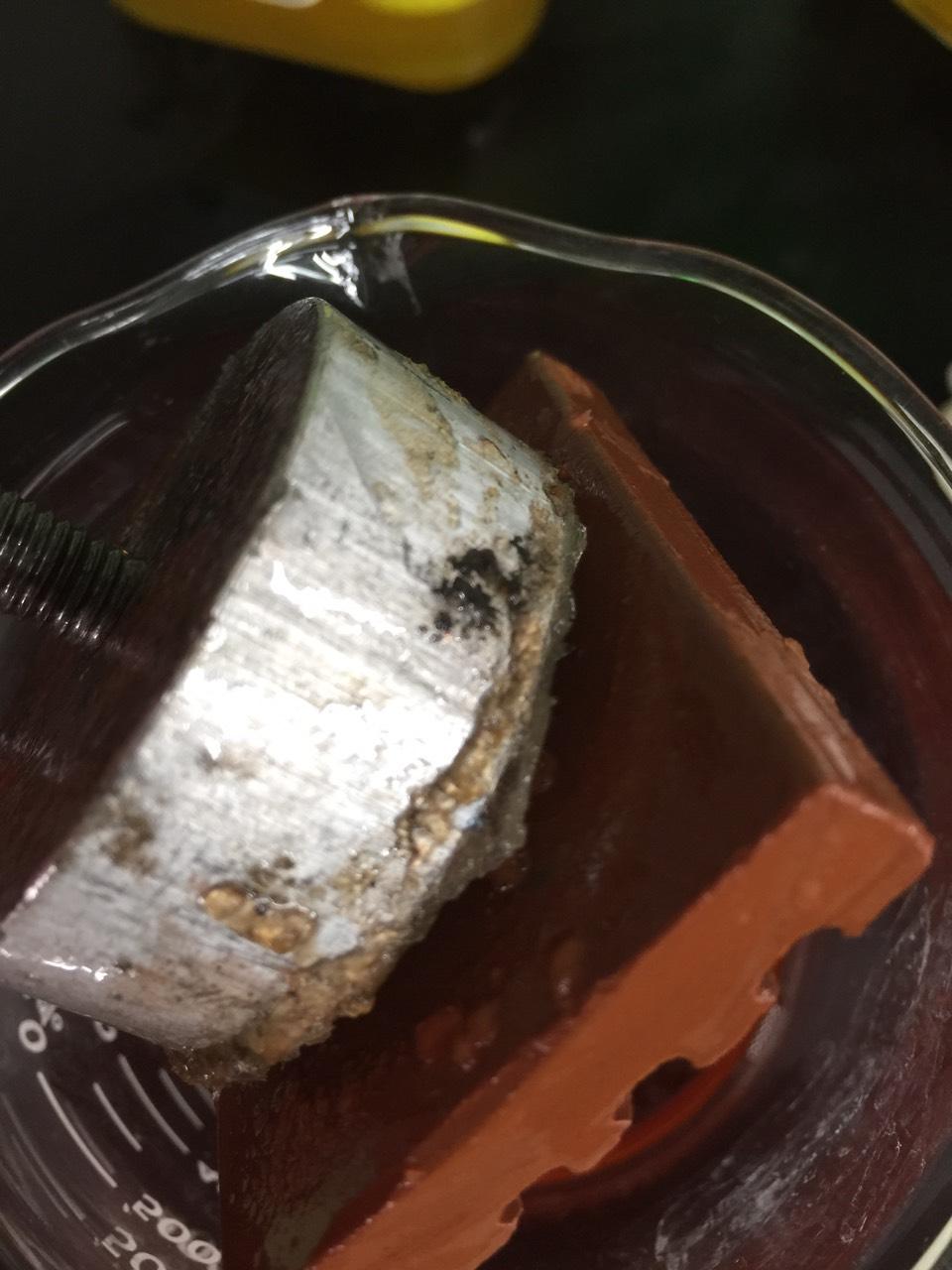
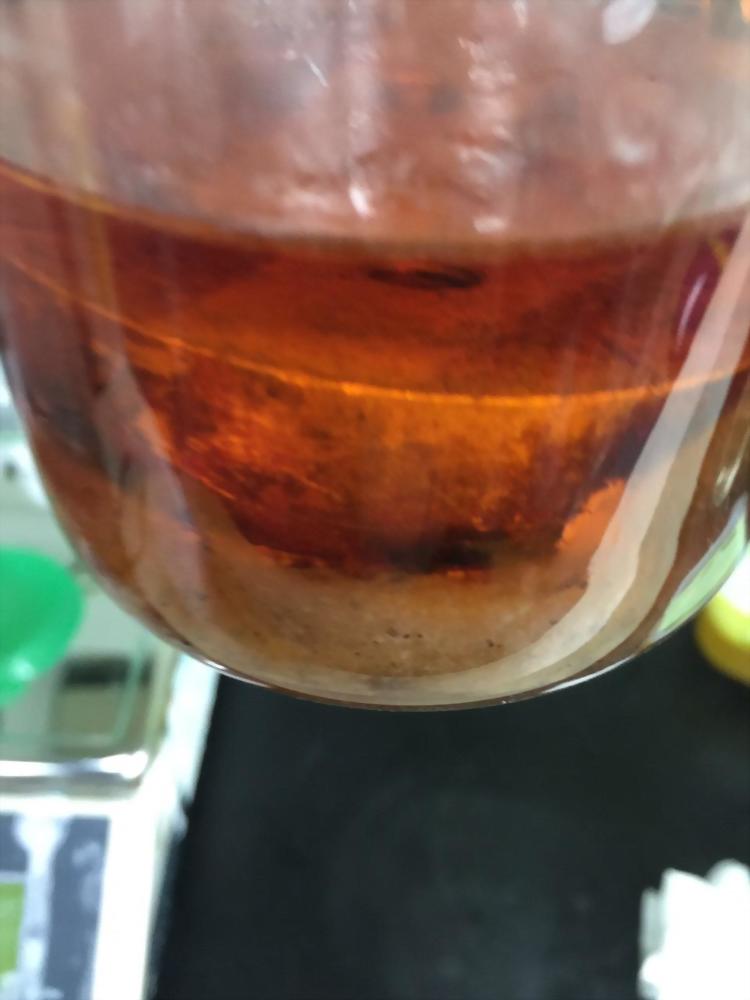
After immersing the metal disk in the aluminum alloy water-based paint stripper AHLR03-04A at room temperature (20°C) for 48 hours, it was found that the AB hardened glue on the metal disk had become soft and rotten.


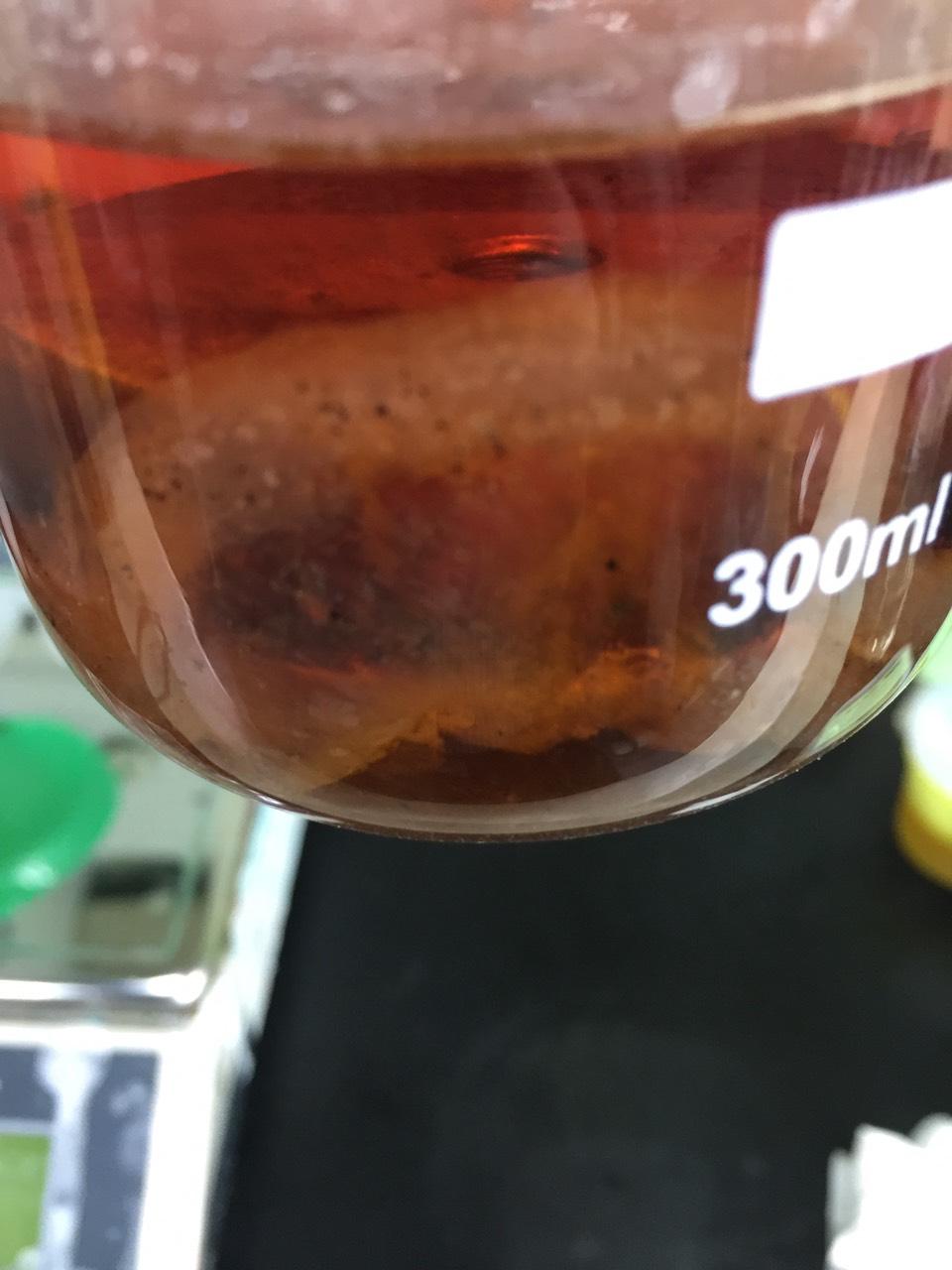
-
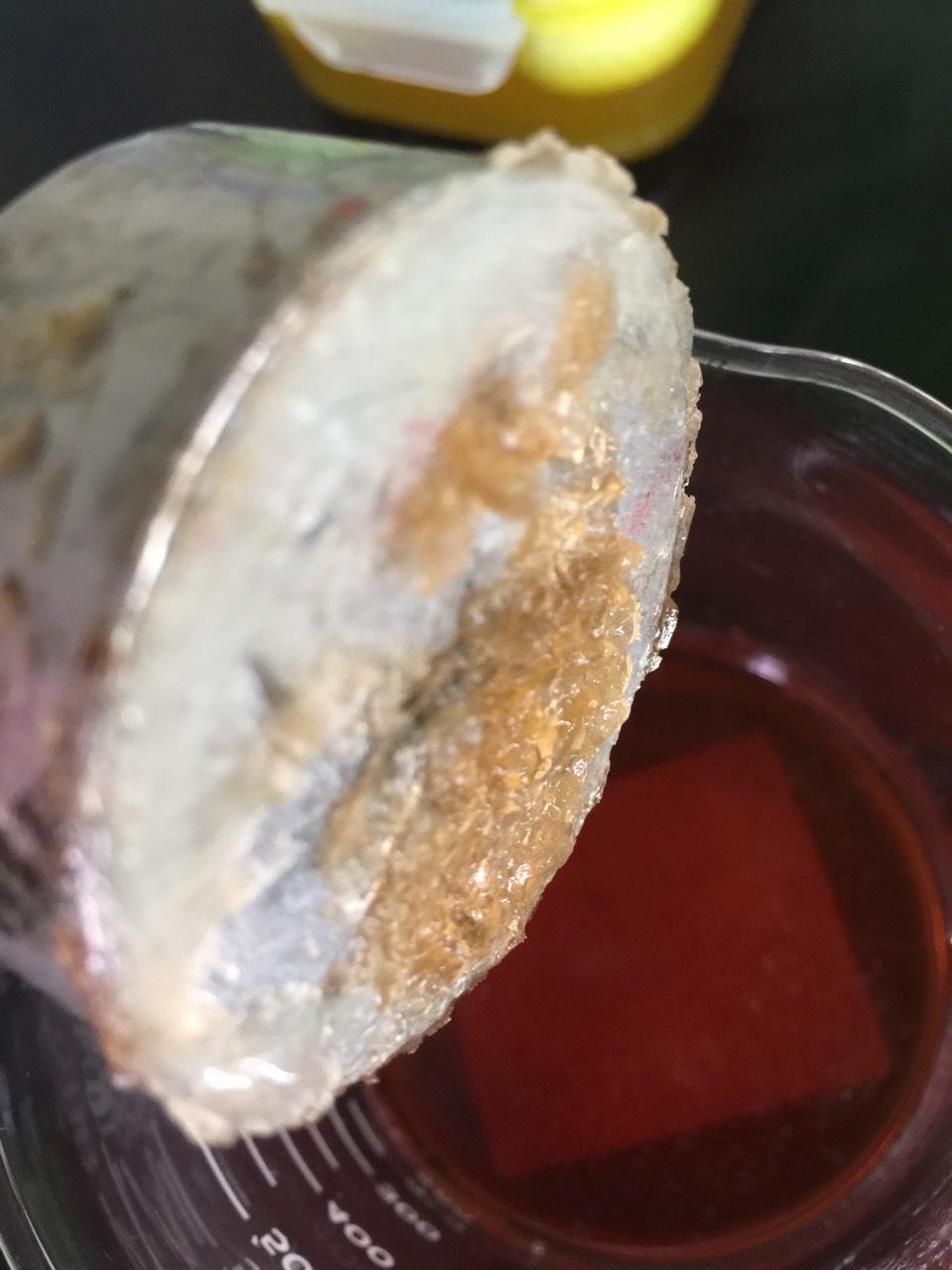
After taking out the disc, I found that the AB hardened glue has completely softened and turned into a jelly-like shape, which can be easily removed by brushing.

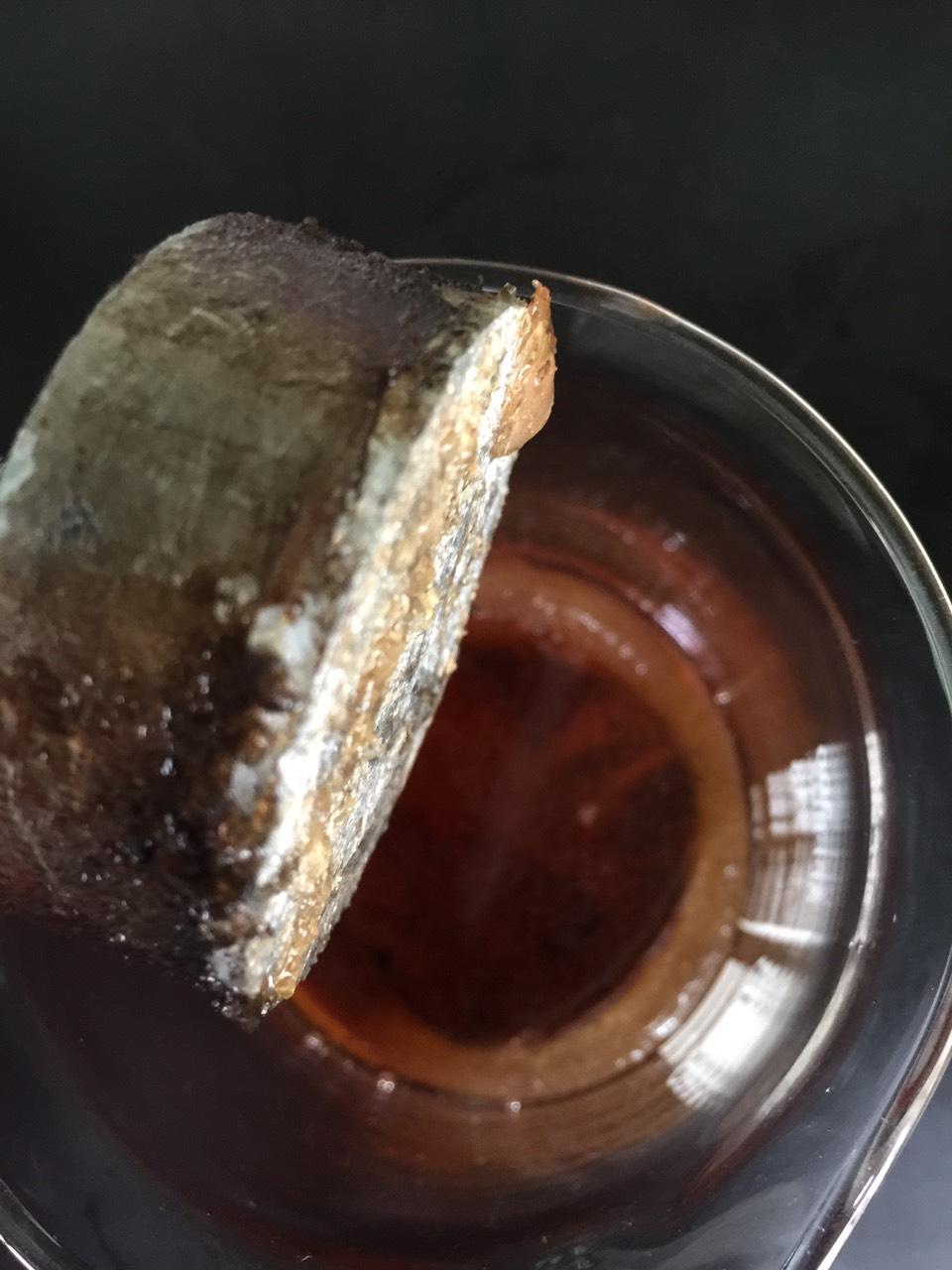
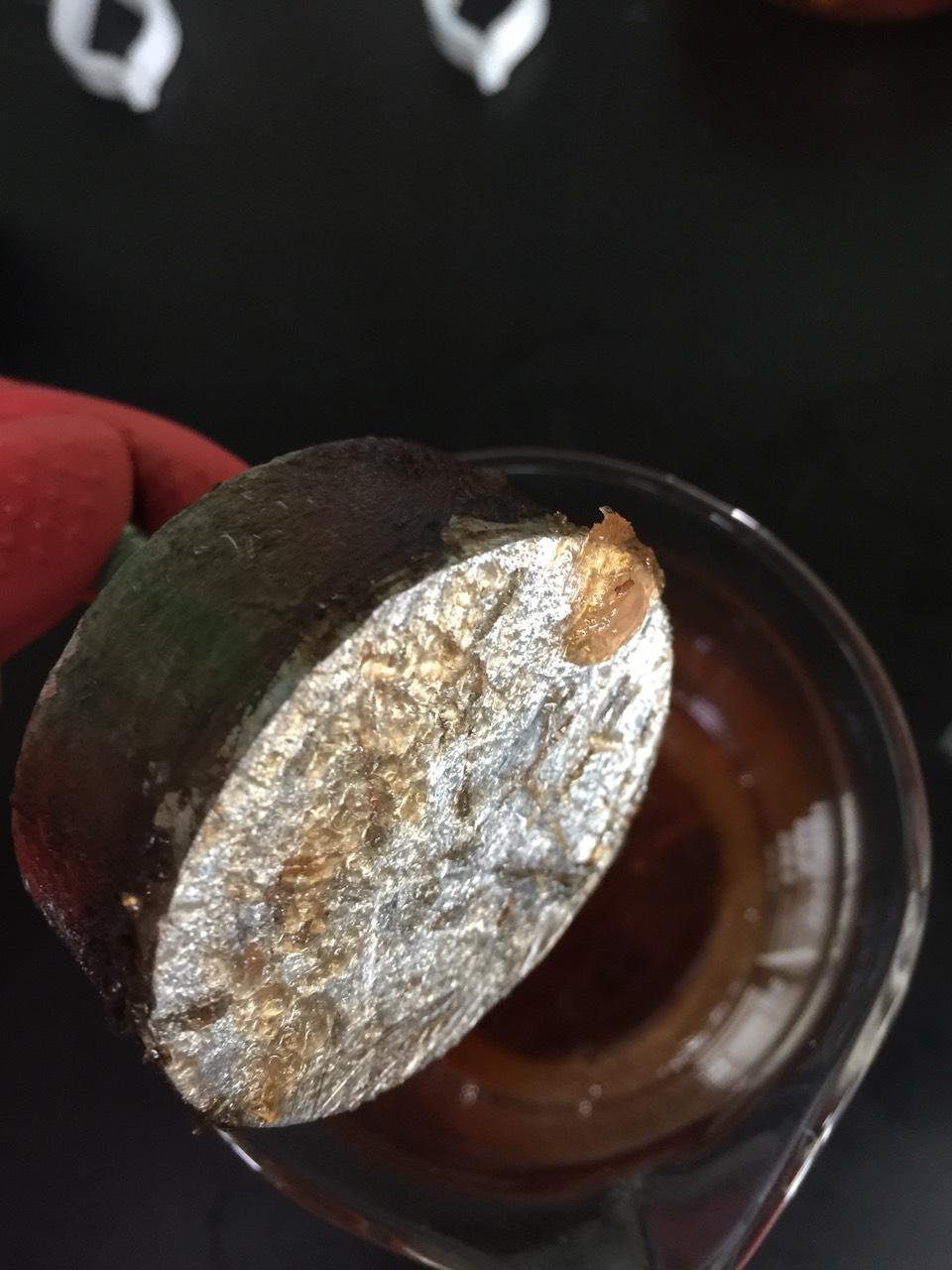
-
Repeat the test. The customer provides another test piece. The metal disc is attached to the tile with another commonly used AB glue.
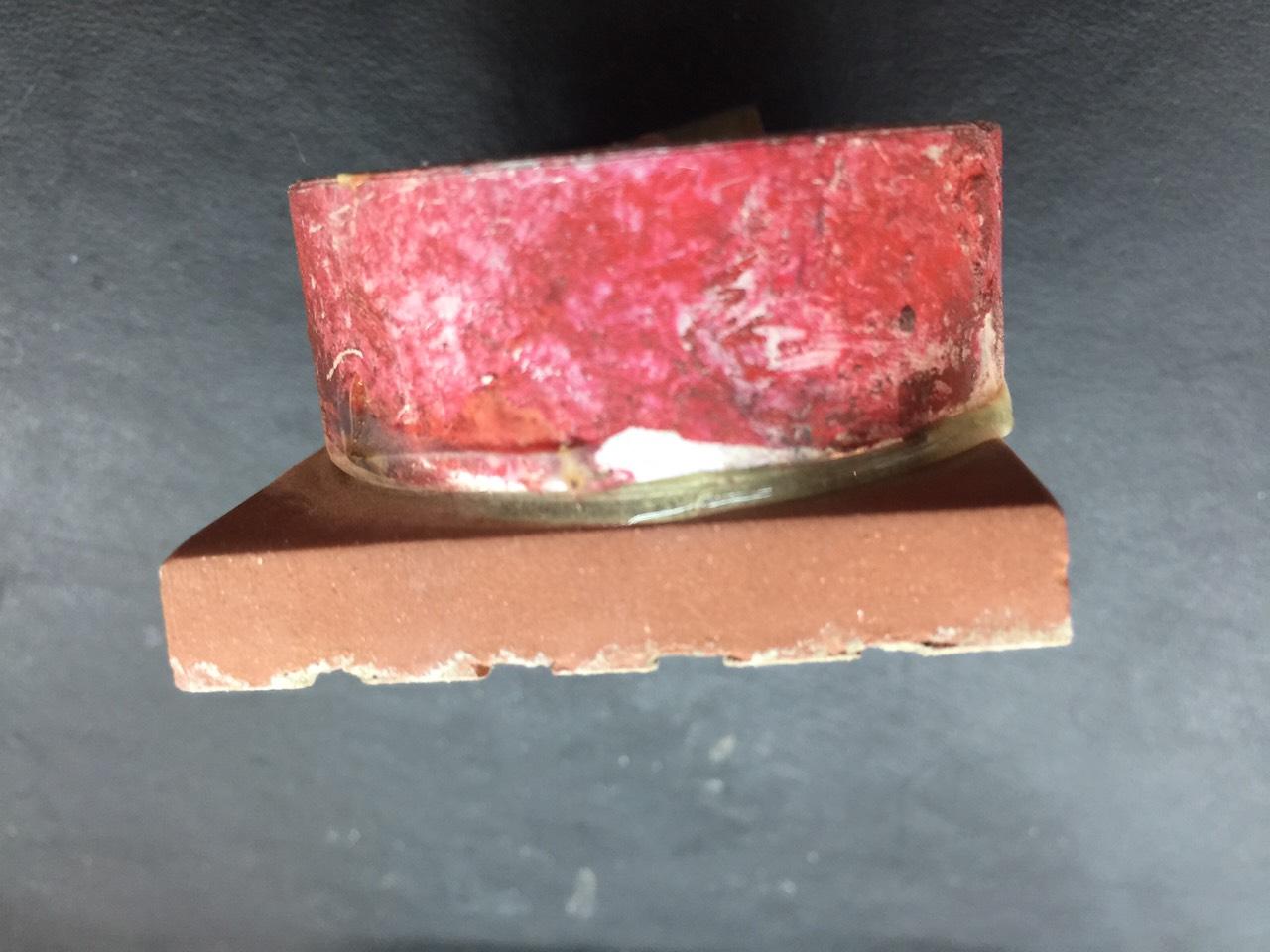
-
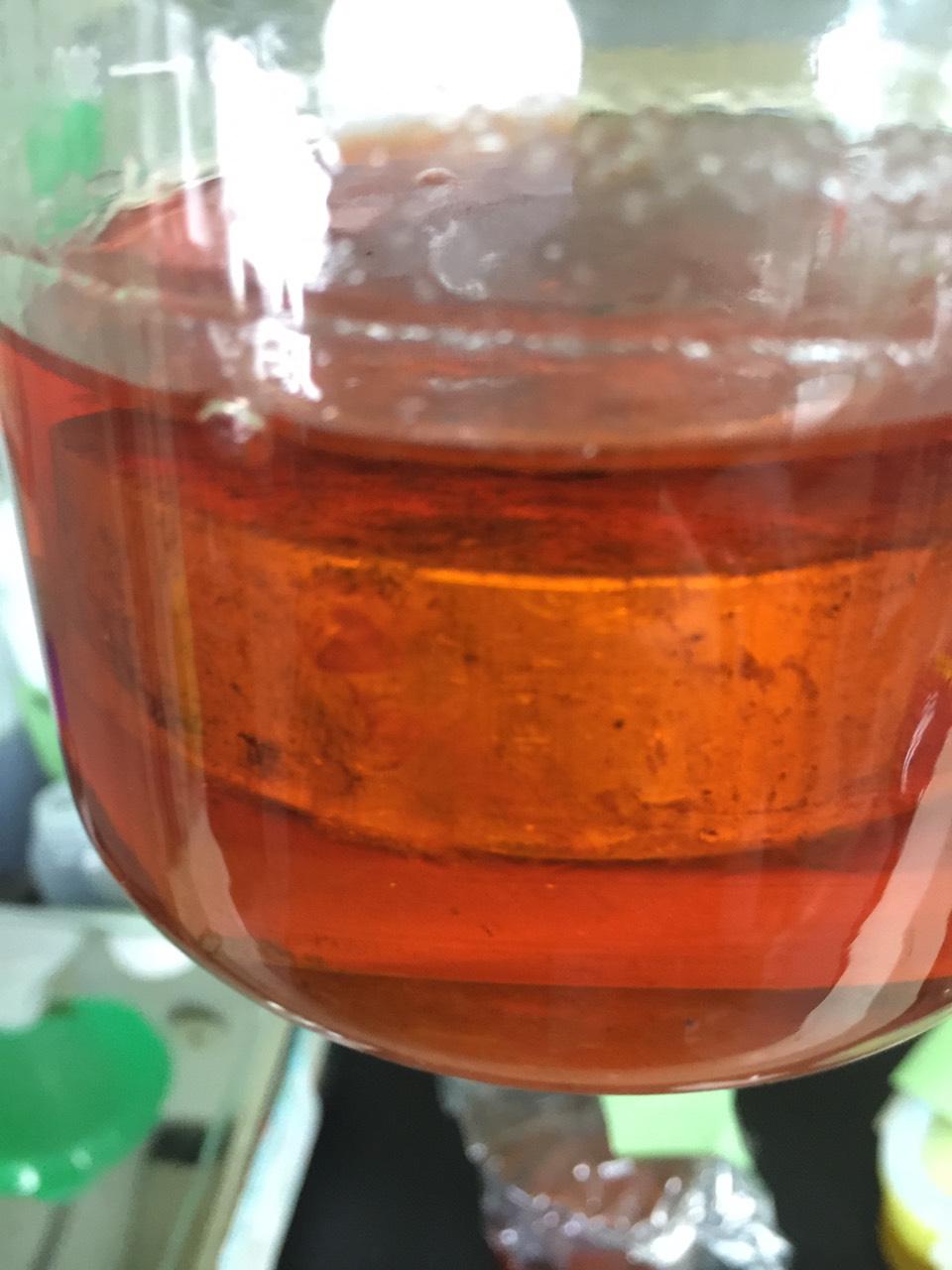
Directly soak this test piece together with the tiles in the aluminum alloy water-based paint stripper AHLR03-04A at room temperature (20°C) for 48 hours, and found that the AB hardened glue that sticks the metal disk and the tiles has softened and rotted.
-
take out. It was found that the exposed AB glue was soft and rotten, and some of the AB glue dissolved and formed voids. Gently scratch the gap with the blade, and the metal disc will be separated from the tile. The exposed AB glue is jelly-like and can be easily removed by brushing.