-
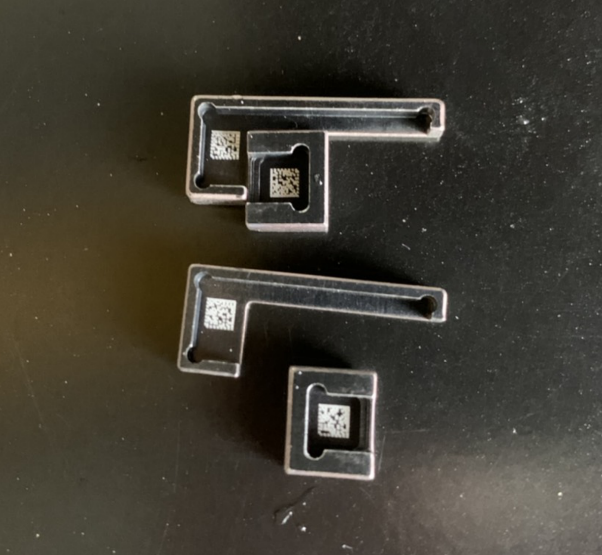
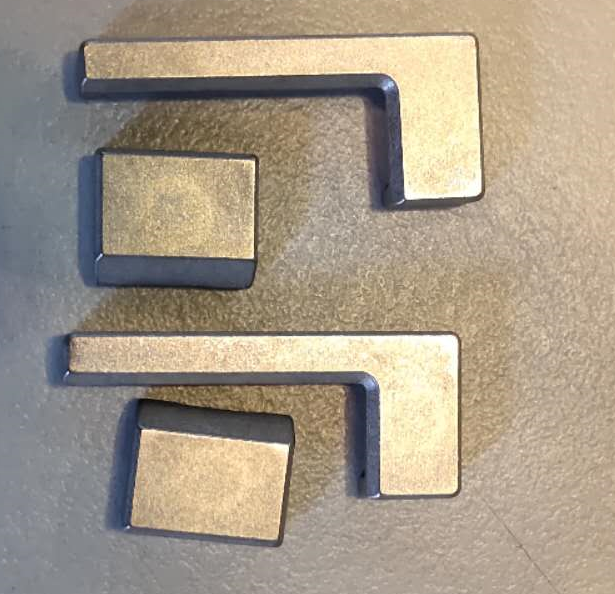
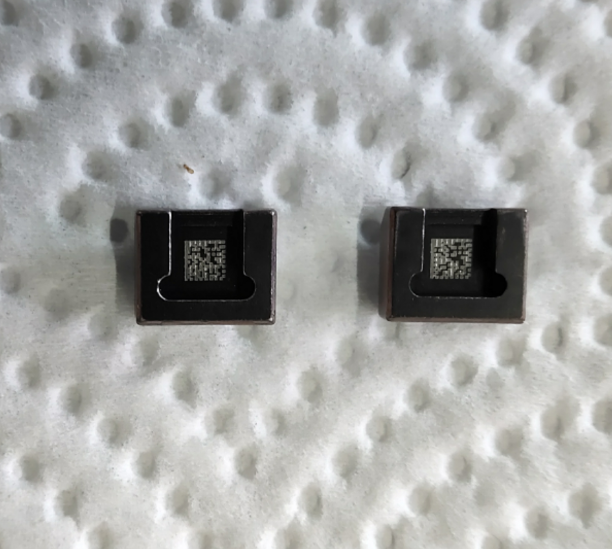
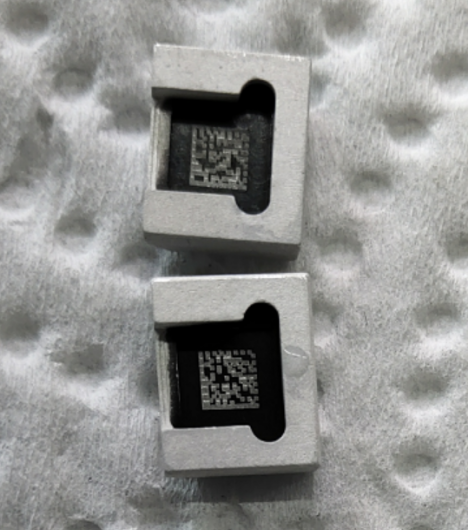
The picture below provides customers with equipment parts to be cleaned. The base material of this spare part is anodized black nickel on the aluminum surface. There is a QRcode number engraved by laser on the bottom surface.
-
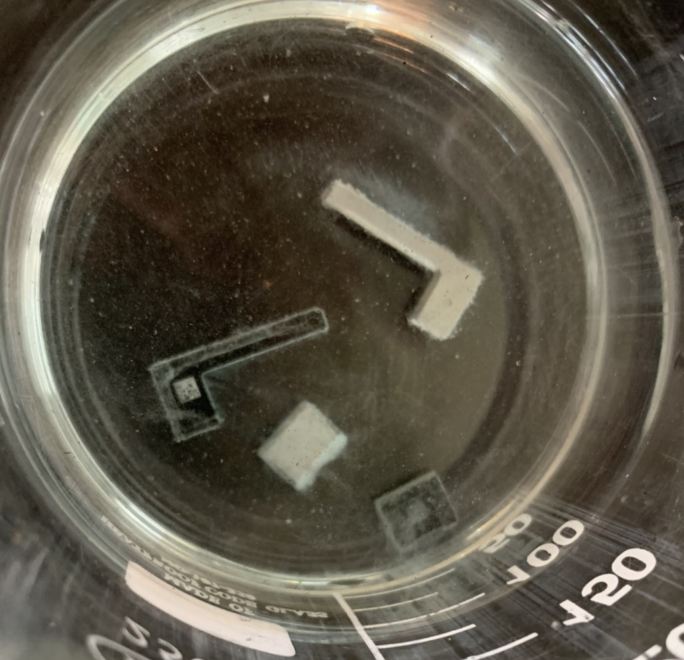
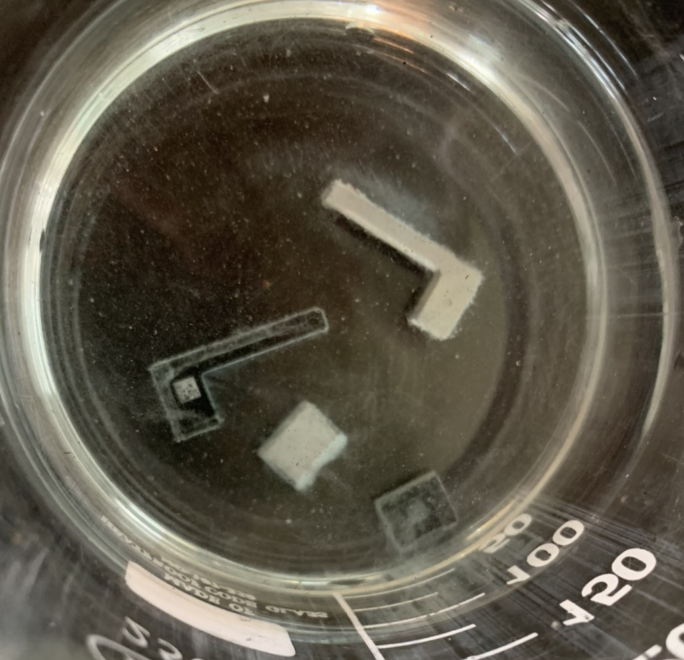
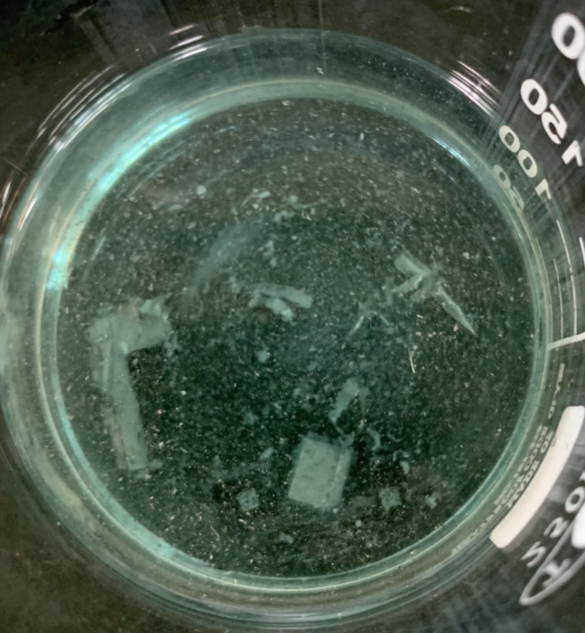
Put the APA01 special passivator for aluminum and strong acid copper etchant into the beaker, put the parts into the chemical, tiny bubbles appear after the coating on the surface of the parts starts to react, the coating has begun to fall off after 10 minutes, and the chemical turns slightly green (copper ions are released ).
-
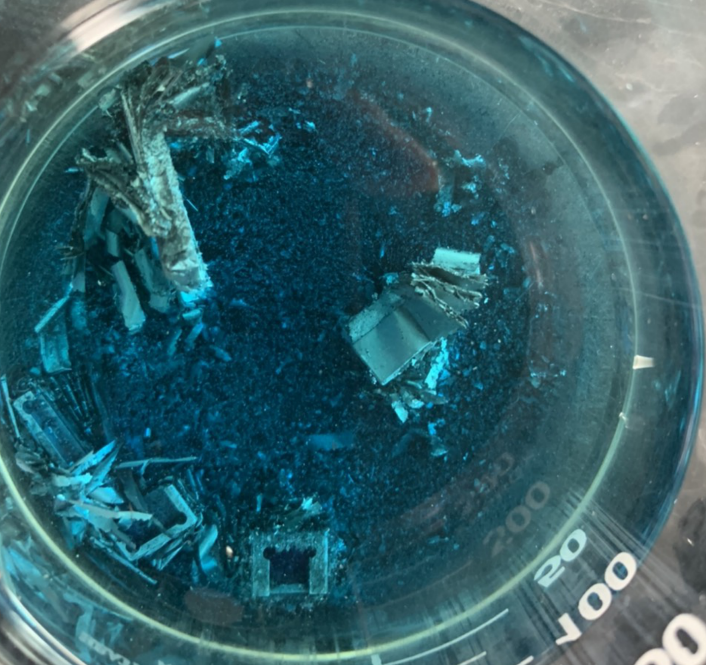
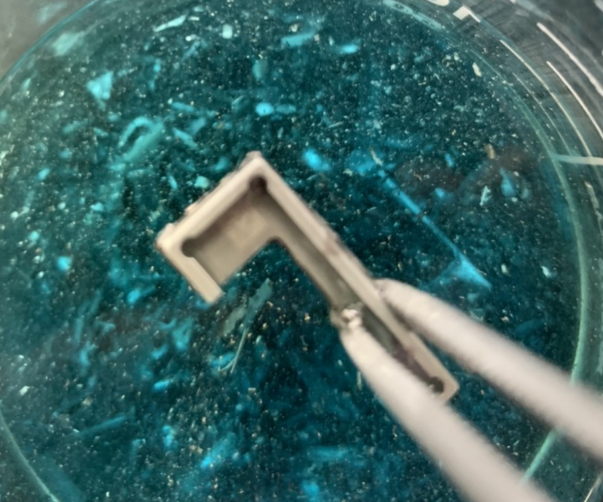
After 4 hours, the coating on the surface of the part began to fall off layer by layer, and the color of the agent became darker and darker. When the part was picked up with tweezers, it was found that the black nickel plating layer had also fallen off, but there were too many layers on the surface, and it had not completely fallen off.
-
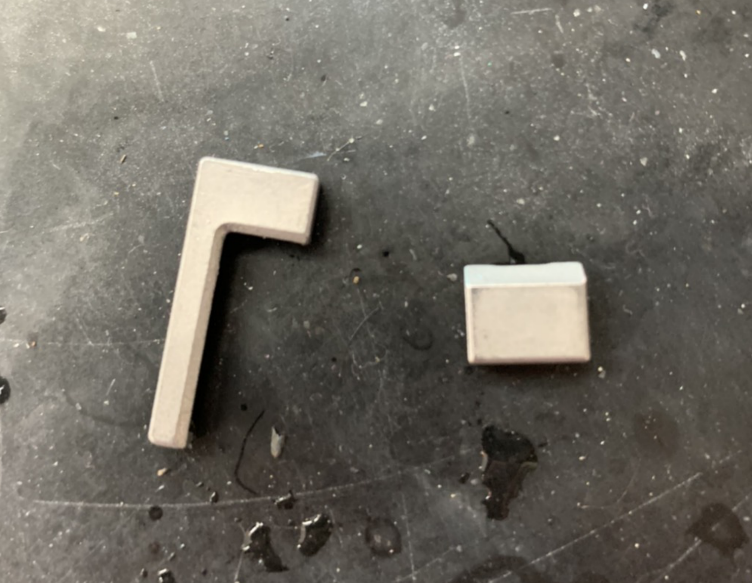
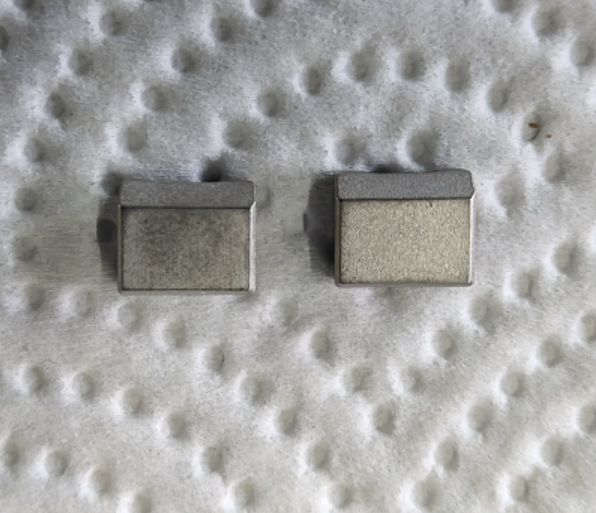
Continue to soak for 4 hours until the surface of the part falls off completely, at this time the surface of the aluminum material has oxidized and turned white
-
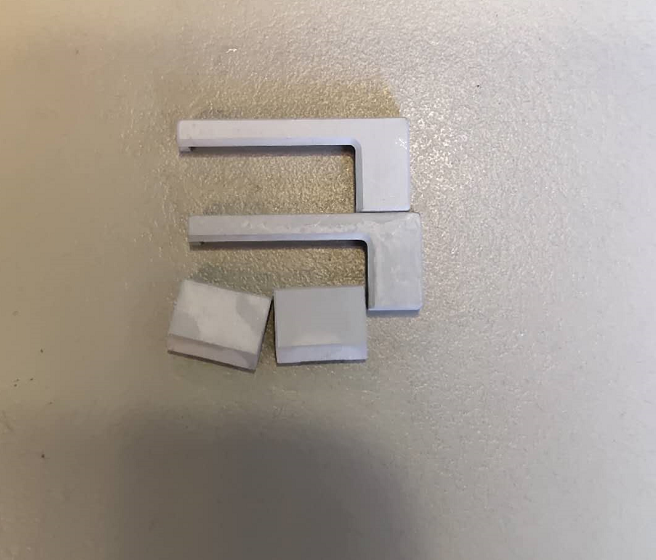
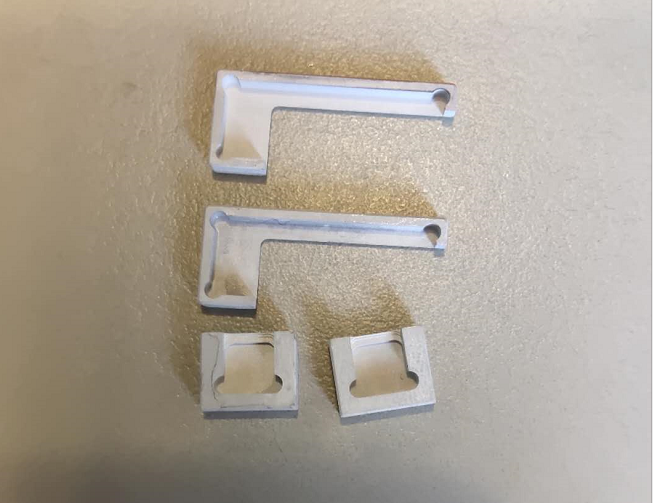
Continue to soak for 12 hours overnight to see if the solution will continue to erode the aluminum. The next day inspection found that the APA01 aluminum passivator can protect the aluminum from corrosion, but the black nickel on the anode has been removed, and the QR code has also been removed. disappear. Guest reply: It is required to remove the surface coating, and the QRcode cannot be damaged. The oxide film formed on the surface of the aluminum material due to the whitening of the passivation treatment is acceptable.
-
Repeat the test.
-
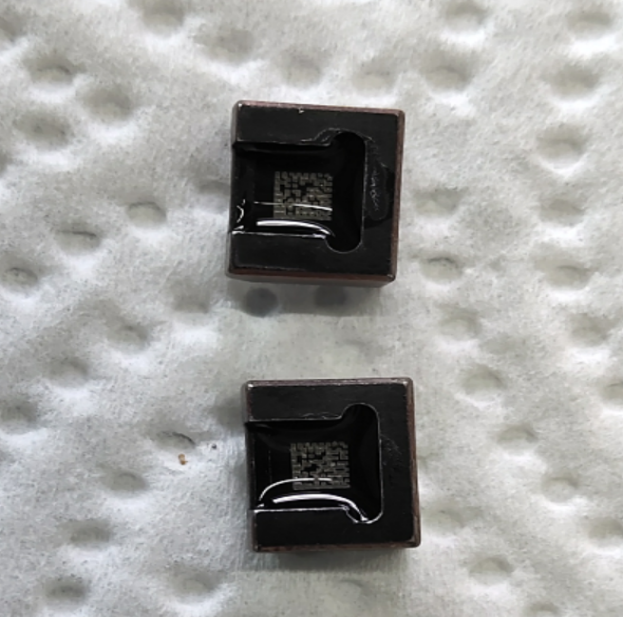
Since the agent will affect the anodic treatment, the QRcode is protected with glue before the experiment. After dehydration and curing, the APA01 aluminum passivator and strong acid copper etchant are also put into the beaker, and the parts are put into the agent. The surface of the part is coated. Tiny bubbles appeared after starting the reaction, and the coating began to fall off after 10 minutes.
-
After 4 hours, the surface coating of the part began to fall off layer by layer, and the color of the agent became darker and darker. When the part was picked up with tweezers, it was found that the surface coating had not completely fallen off due to too many layers.
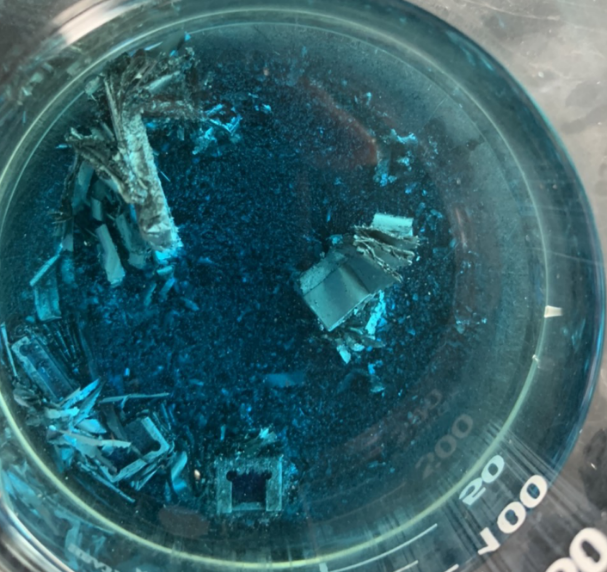
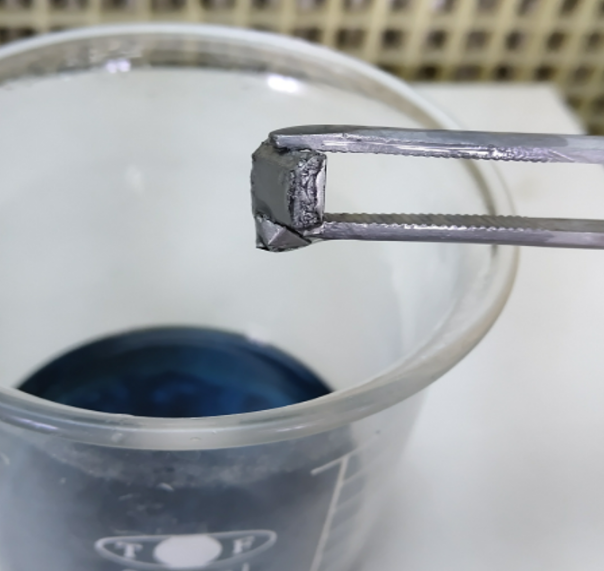
-
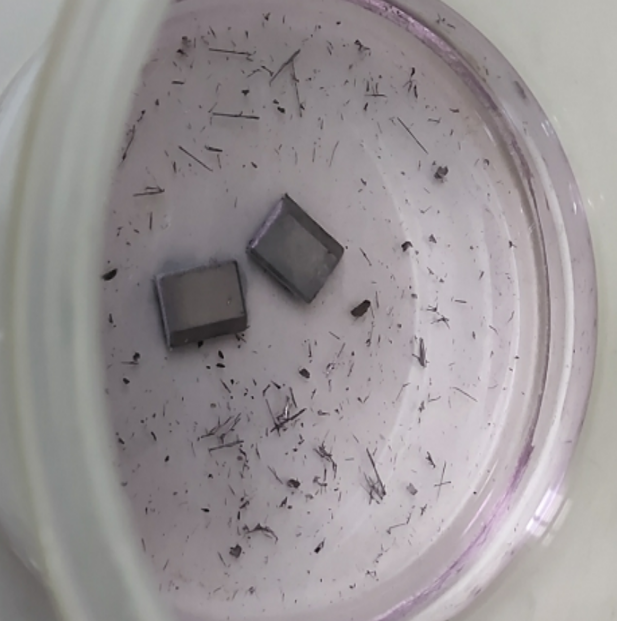
Continue to soak for 4 hours (total 8 hours) until the surface of the parts is completely peeled off. At this time, the surface of the aluminum material has oxidized and turned white. After confirming with the customer, this level of oxidation will not affect the customer's use
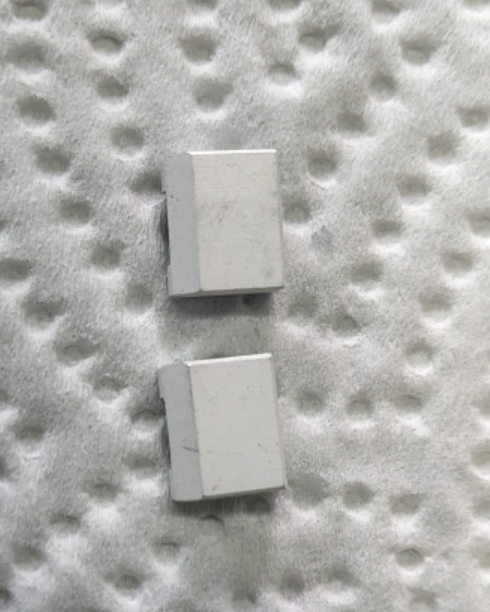
-
Put the sample into a beaker filled with an appropriate amount of glue remover, heat it to 70-90°C, soak for about 40 minutes, check that the glue at the bottom has been removed, and the QRcode is not damaged
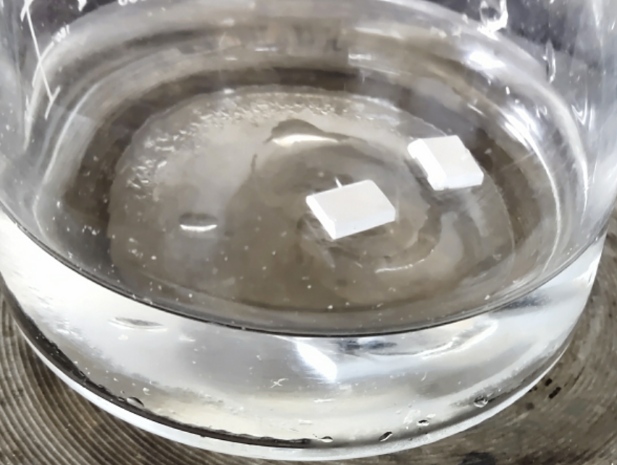
-
Conclusion: The use of APA01 special passivator for aluminum can protect aluminum parts from damage to the aluminum surface by acidic agents. However, because the anodized surface itself is already alumina, it cannot protect the pigment in the pores of the alumina.
Suggestion: Before immersing in the agent, add more glue to the bottom QRcode to prevent the QRcode from being peeled off due to too little glue.