-
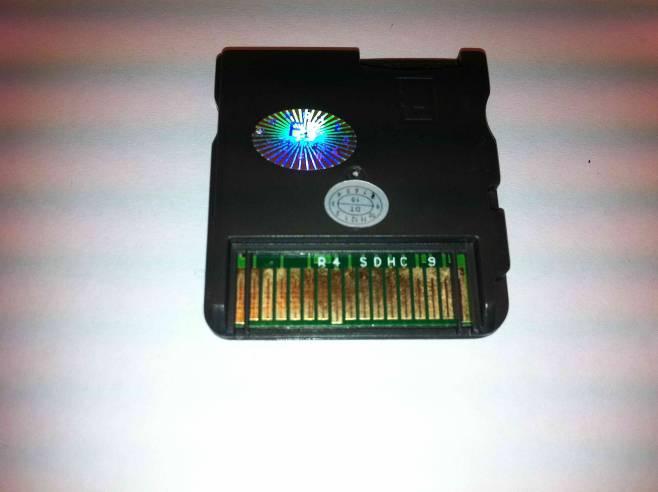
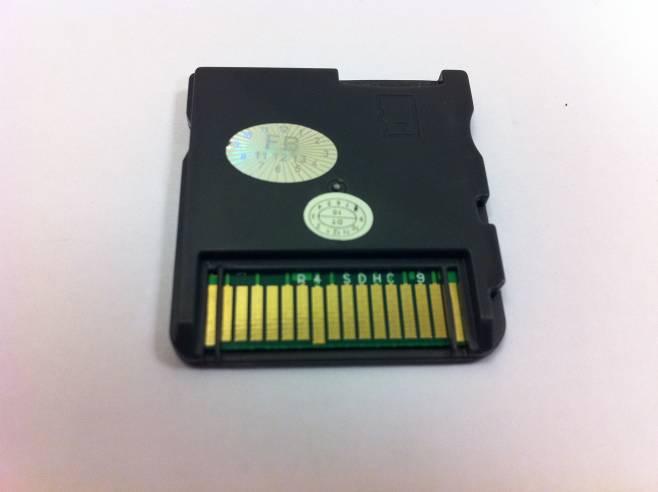
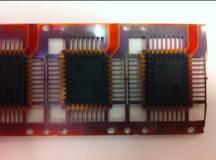
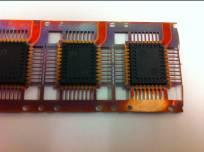
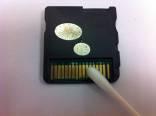
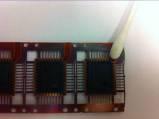
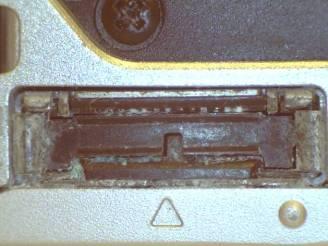
Due to the contact with seawater, the surface of the transmission contact is covered with oxides after a period of time, resulting in poor contact.
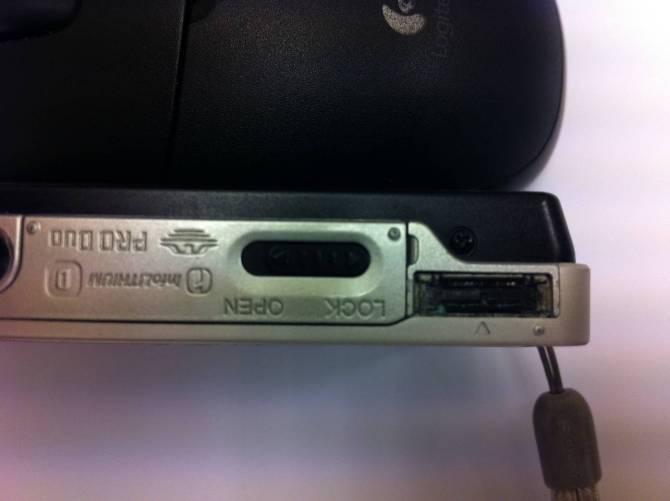
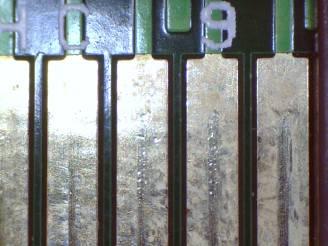
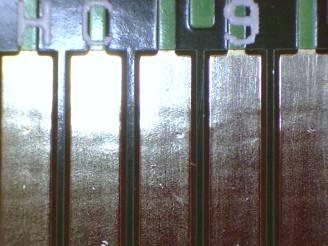
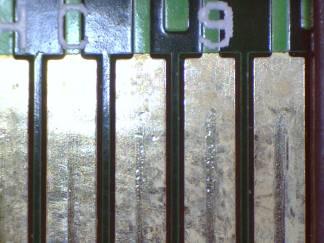
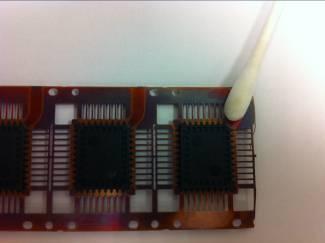
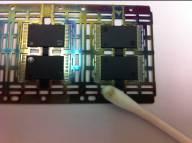
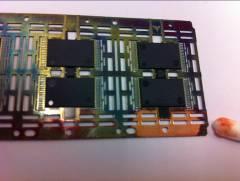
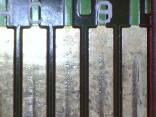
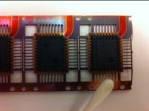
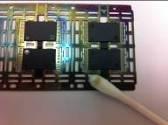
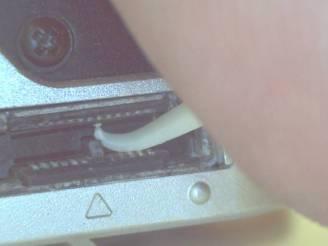
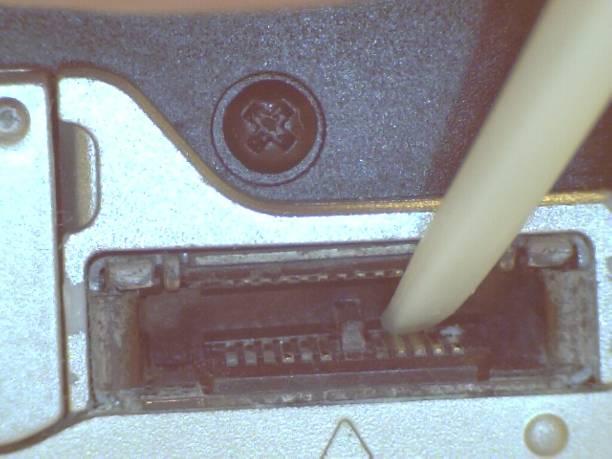
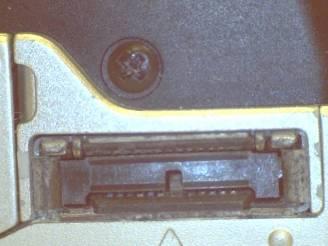
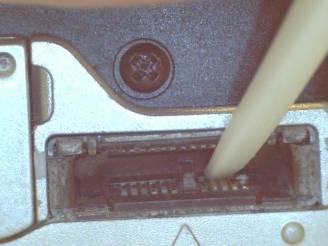
When zoomed in, the internal contacts have also been oxidized, and the surface is covered with copper oxide. The picture on the right shows that the outside has been wiped, but the inside has not been wiped; the internal contacts are still covered with white-green oxide before wiping;
-
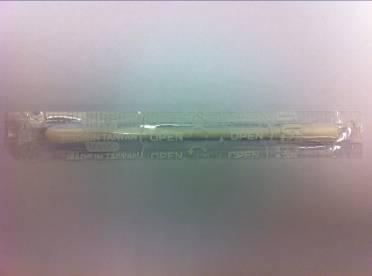
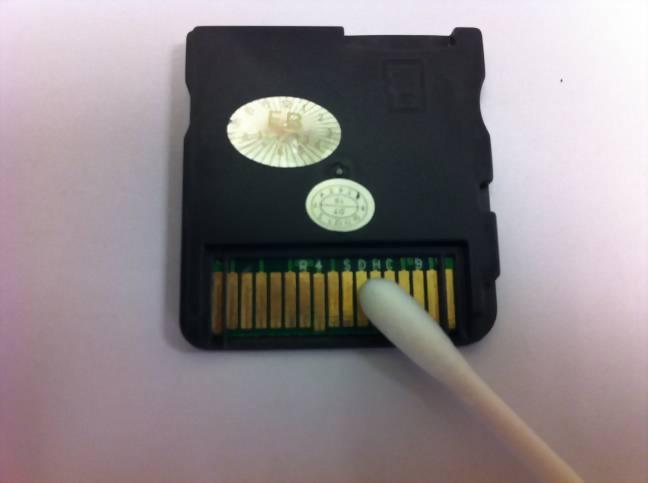
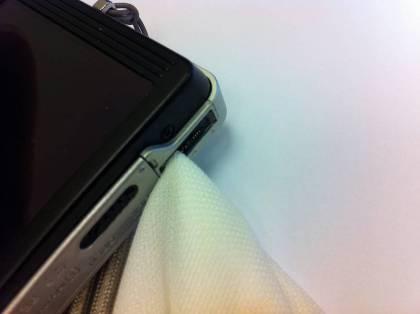
Dip the copper oxide wiper CuP01 with a lint-free cloth, and wipe the oxidized contacts.
-
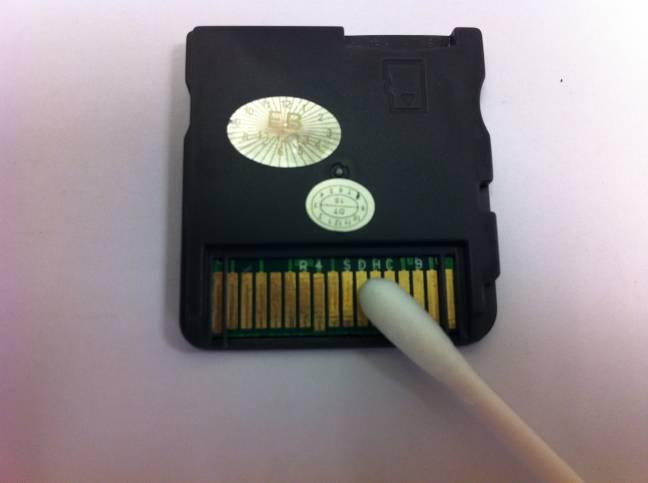
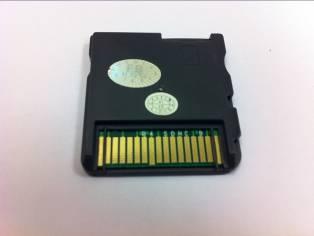
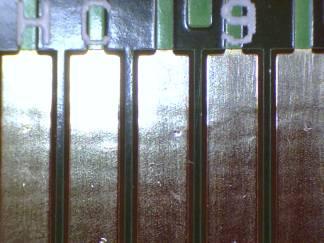
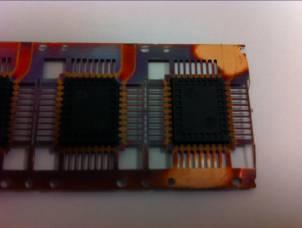
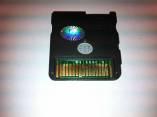
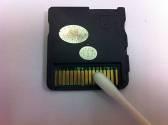
After wiping with CuP01 copper oxide wiper, the oxidized contacts recovered clean and bright metallic luster.
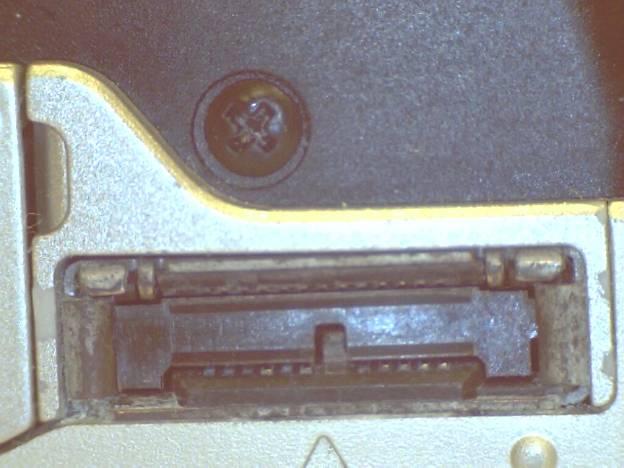
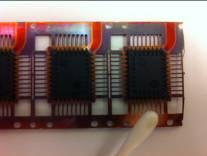
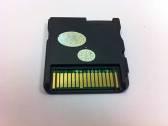
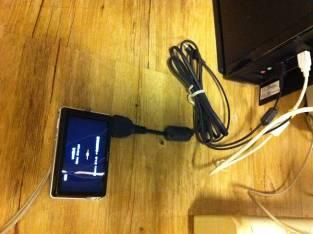
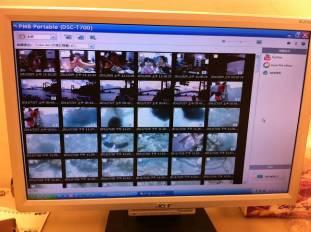
In actual use, it can also be connected to a computer to transfer photo data smoothly.
-
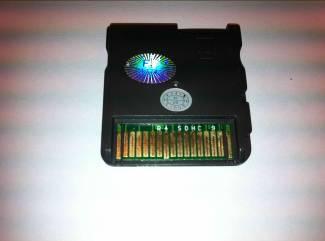
Comparison: before wiping on the left, after wiping on the right.
-
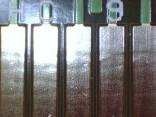
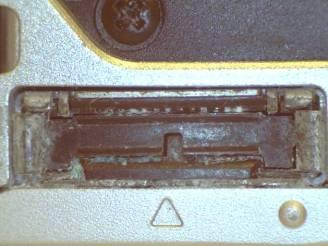
Comparison: the picture on the left shows that the outside has been wiped, but the inside has not been wiped; the internal contacts are still covered with white-green oxides before wiping; the picture on the right is that after wiping, the golden luster has been completely restored.

More detailed contact oxidation is not easy to remove. It is very troublesome to use abrasive materials such as "toothpaste" to wipe off the oxide layer of the contact, because
1. If the abrasive paste cannot be wiped with force, the effect will not be obvious.
2. After wiping, toothpaste-like abrasive residues are not easy to remove.
3. The abrasive paste may wear the contacts, affect the accuracy, and cause poor contact. Using CuP01 copper oxide wiper will not have the above problems. CuP01 copper oxide wiping agent can evaporate quickly, leaving almost no chemical residue on the contact; it is completely soluble in alcohol, and wipe it again with alcohol, which can ensure the strict quality control that requires extreme precision and no residue.