
-
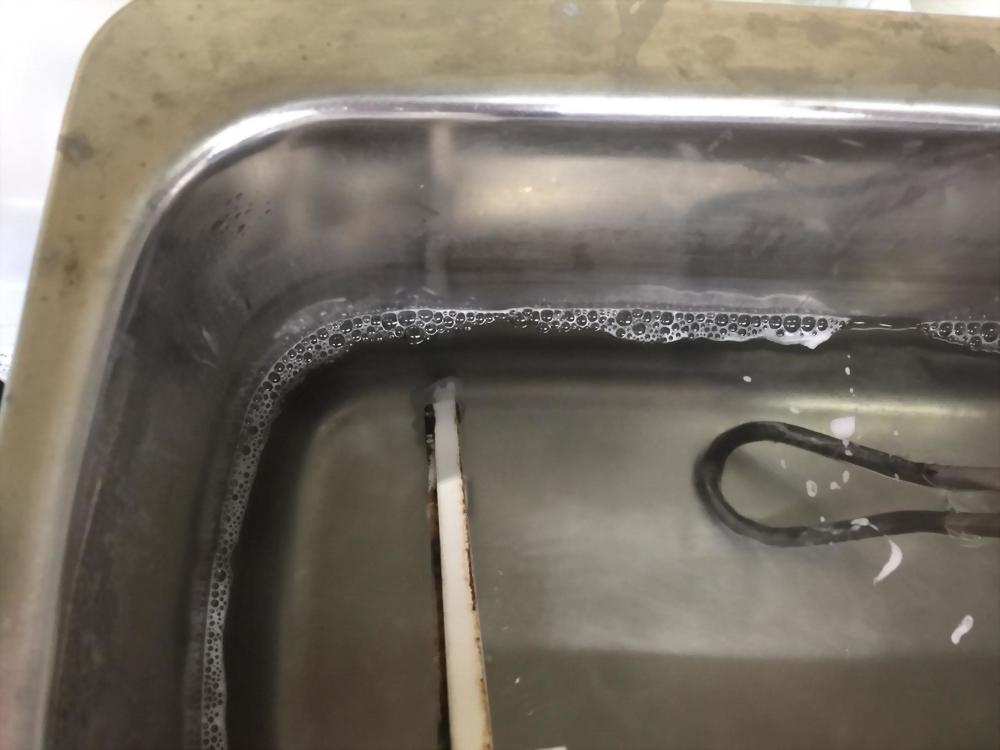
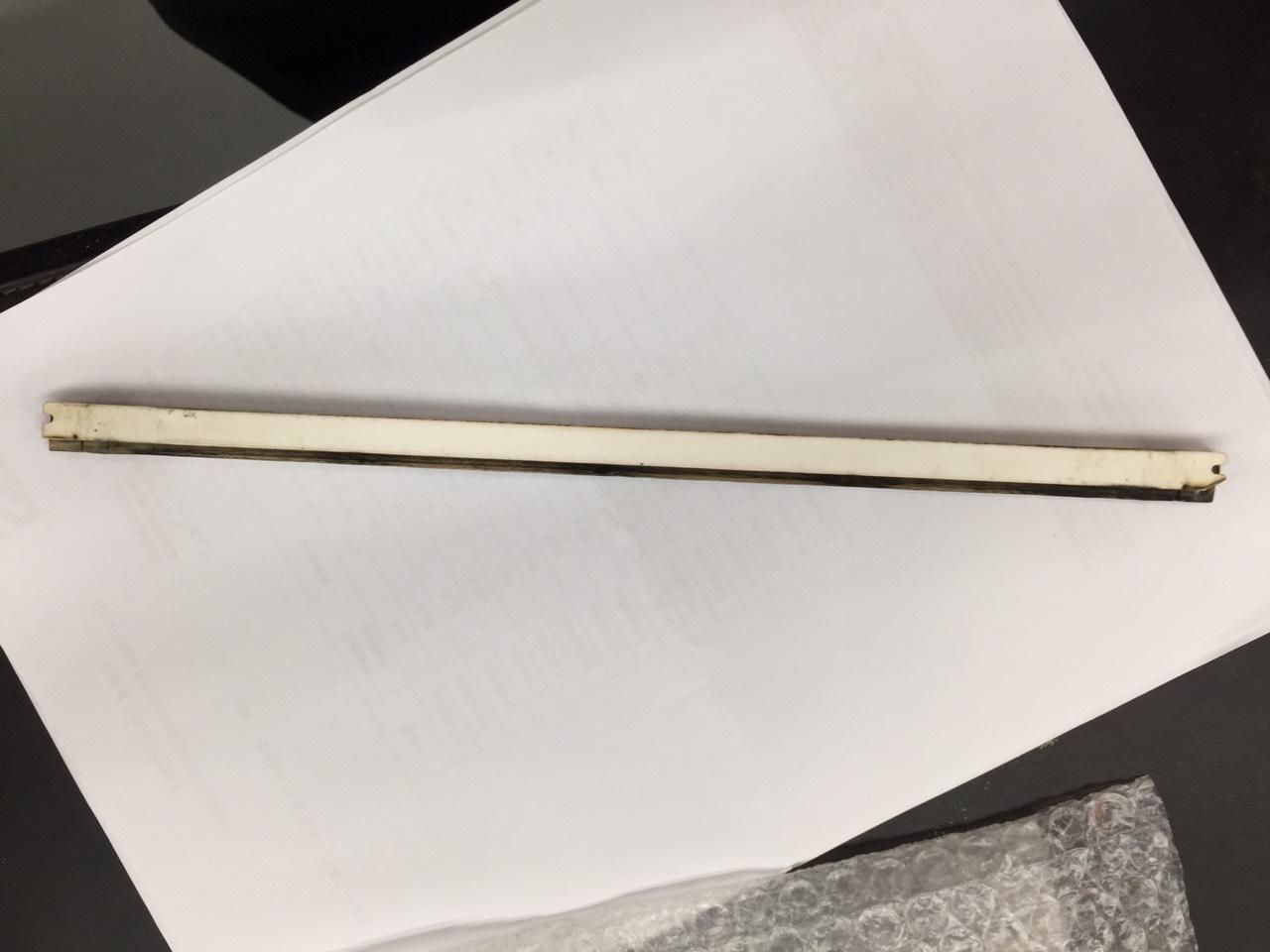
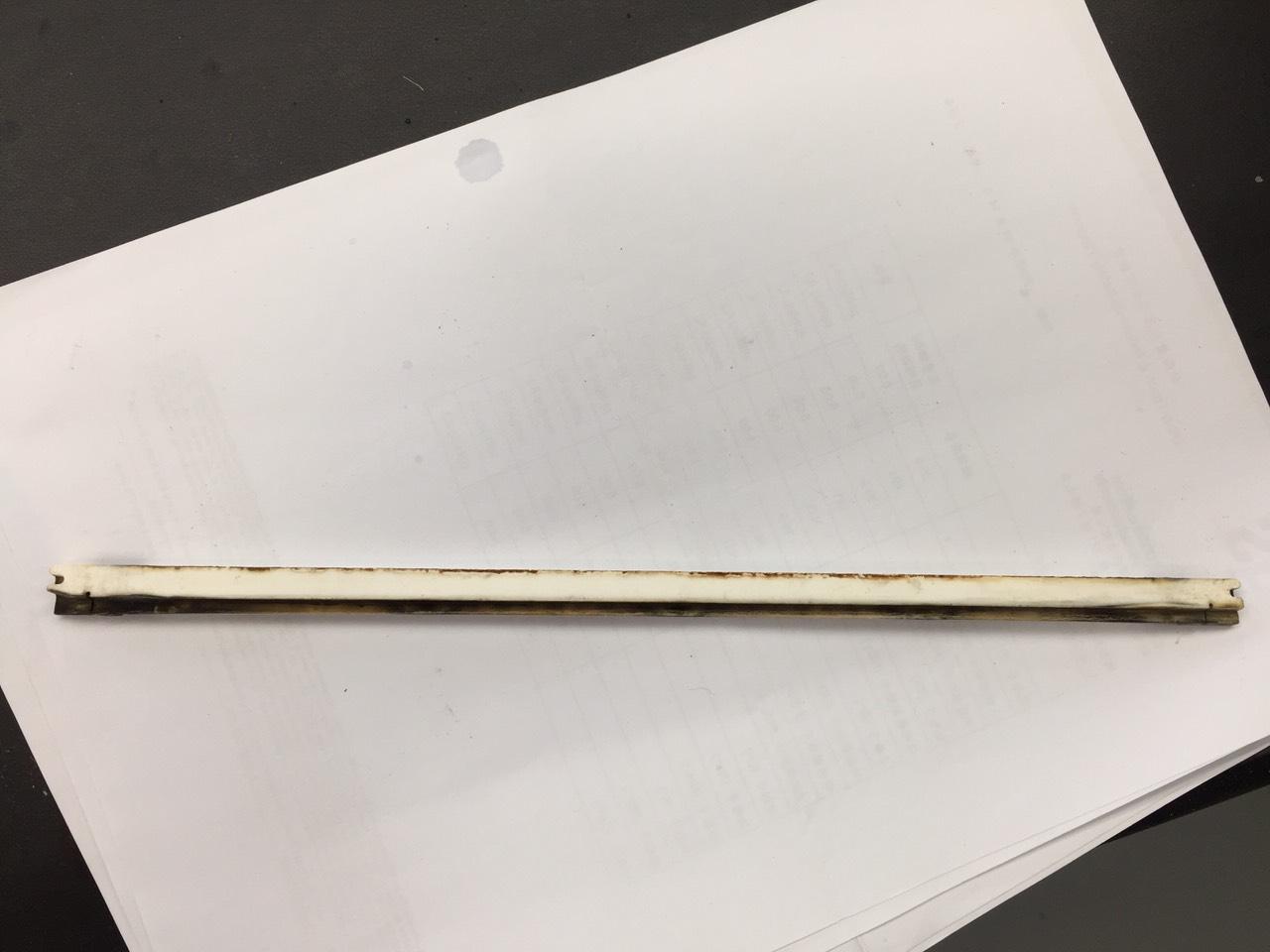
Before cleaning, black oxide was distributed on the surface of ceramic parts. According to the customer's description, it should be carbon oxide caused by plasma cleaning, which will lead to abnormal discharge in the vacuum chamber.

-
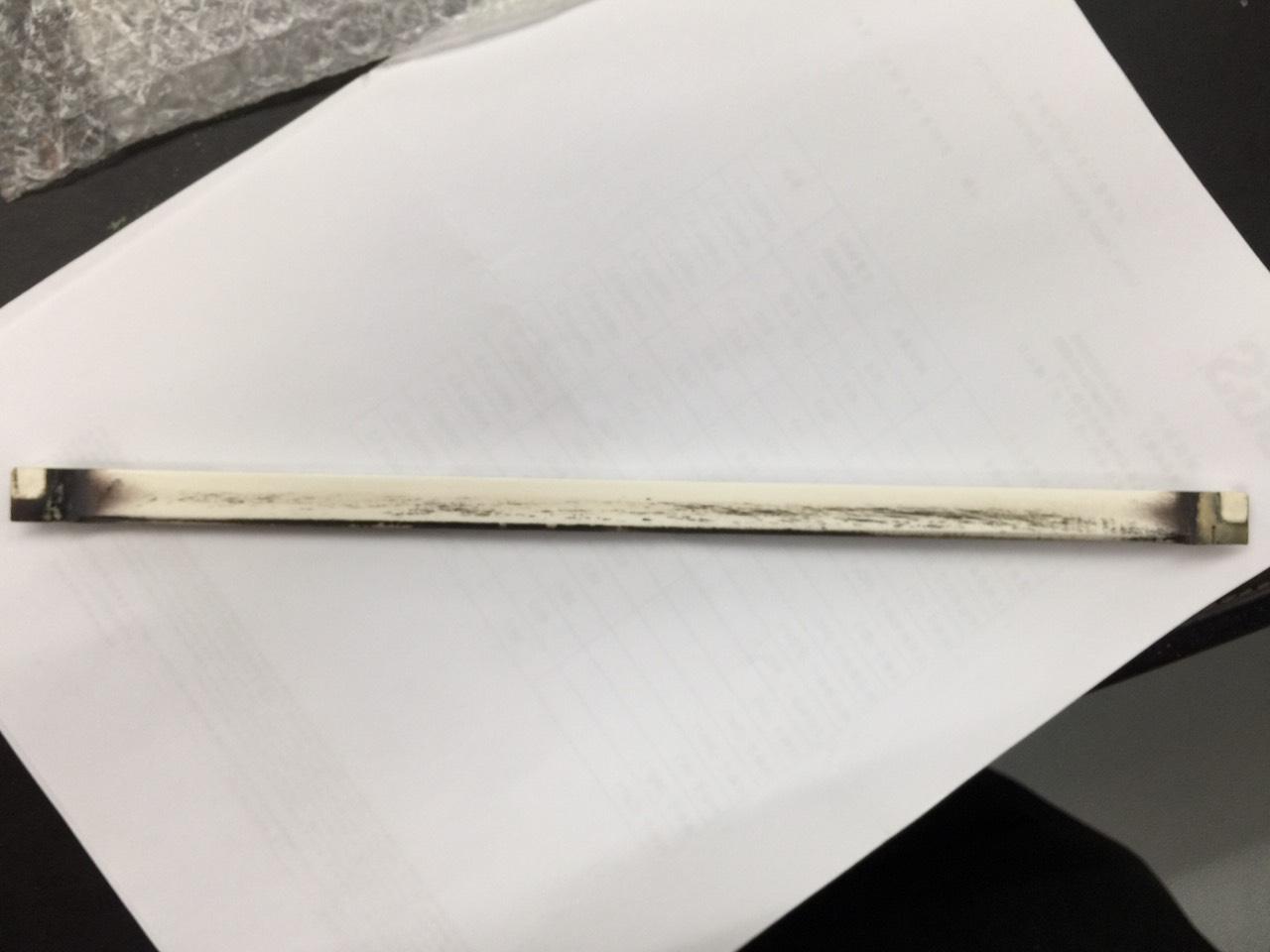
Place in 50% fine dust cleaning agent PTC13, 70°C, 40KHz ultrasonic wave, 100W/L, and shake for 3 minutes. It was found that a large amount of carbon oxides were released, and PTC13 was obviously effective for this type of cleaning of ceramic parts. However, after cleaning for 3 minutes, the white color of the ceramic was exposed except for the places with less carbon oxide deposits; the rest of the places with thicker carbon oxide deposits were still pitch black and continued to release black smoke-like substances.
-
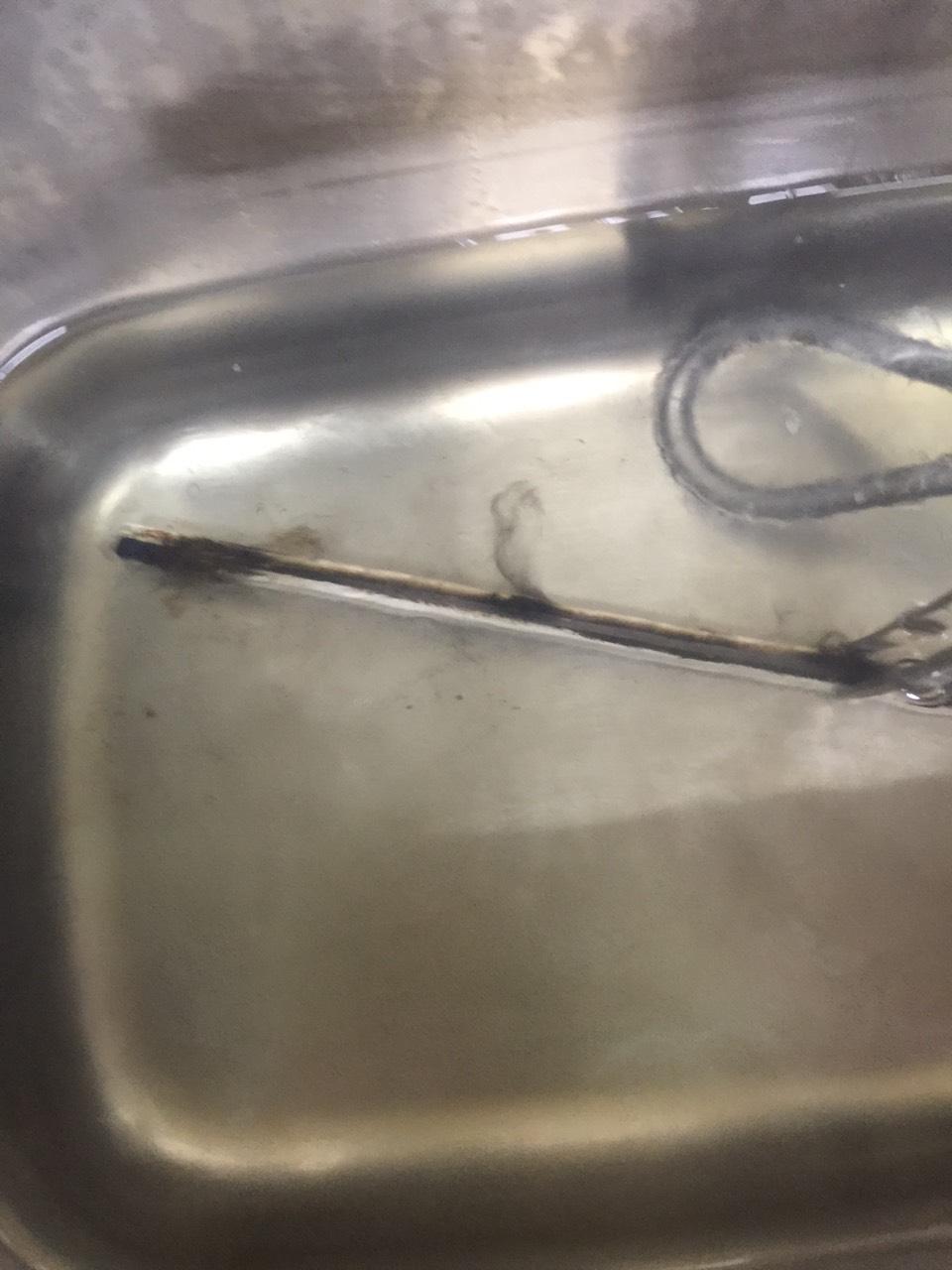
Extend the ultrasonic cleaning time to 60 minutes. It was found that most of the carbon oxides had been removed, but where the carbon oxide deposits were thicker, it was still pitch black.

-
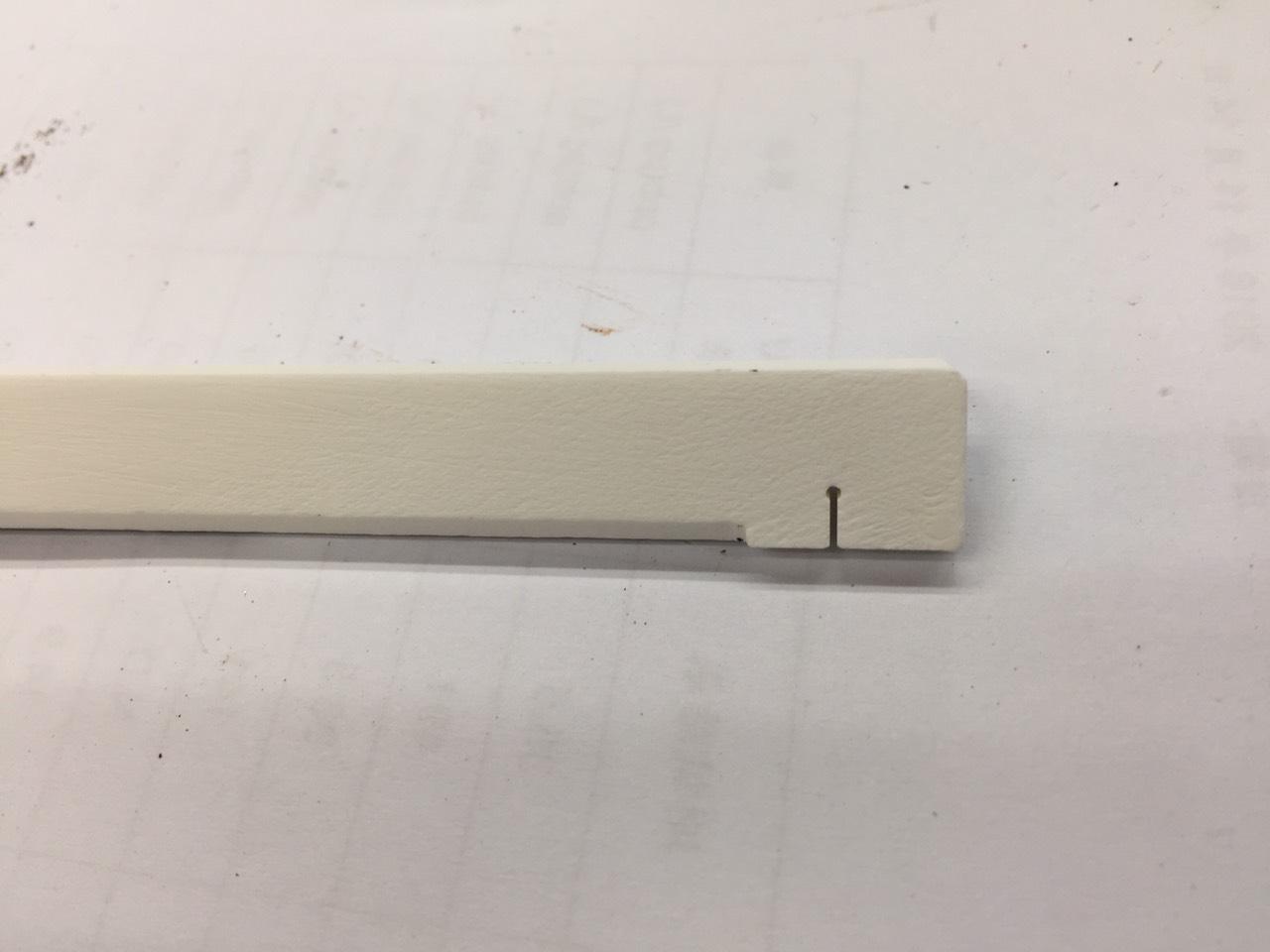
Extend the ultrasonic cleaning time to 120 minutes. It was finally cleaned, but after taking it out, it was found that there were signs of erosion on the surface of the ceramic parts. Microdust cleaner PTC13 is a highly alkaline cleaner (pH> 13). Long-term cleaning may cause etching on ceramic parts. Although it can remove black carbon oxides, it is not suitable for cleaning ceramic parts.
-
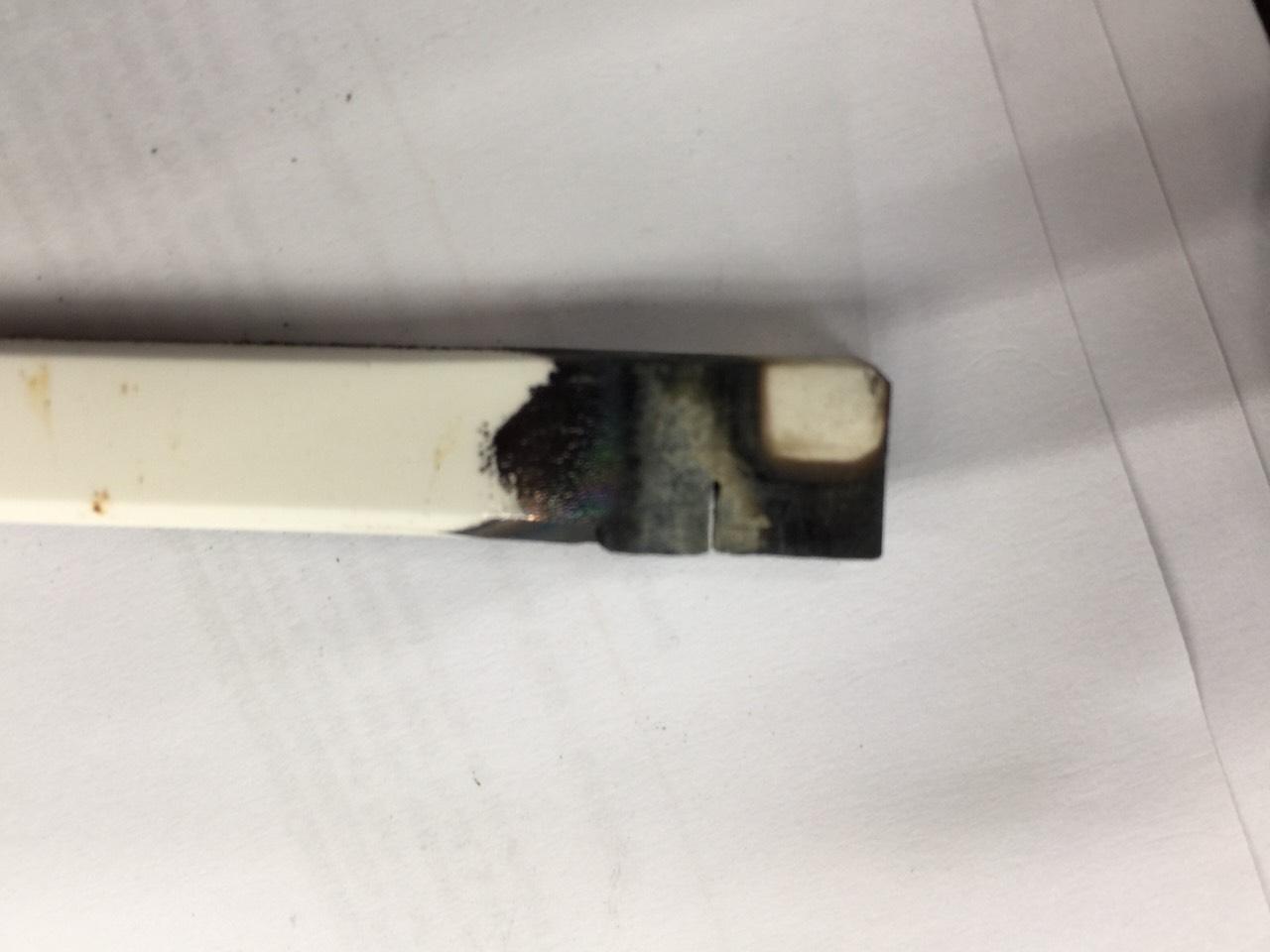
Replace with a more neutral micro-dust cleaner PTC17plus. At the same time, in order to avoid scratches caused by ceramic parts hitting the ultrasonic stainless steel tank, one end is covered with a plastic sleeve and placed at the bottom of the ultrasonic tank. After 70°C, 40KHz ultrasonic wave, 100W/L, and vibration cleaning for 60 minutes, it was found that the ceramic parts were not damaged at all. But thicker carbon oxide residues cannot be removed.
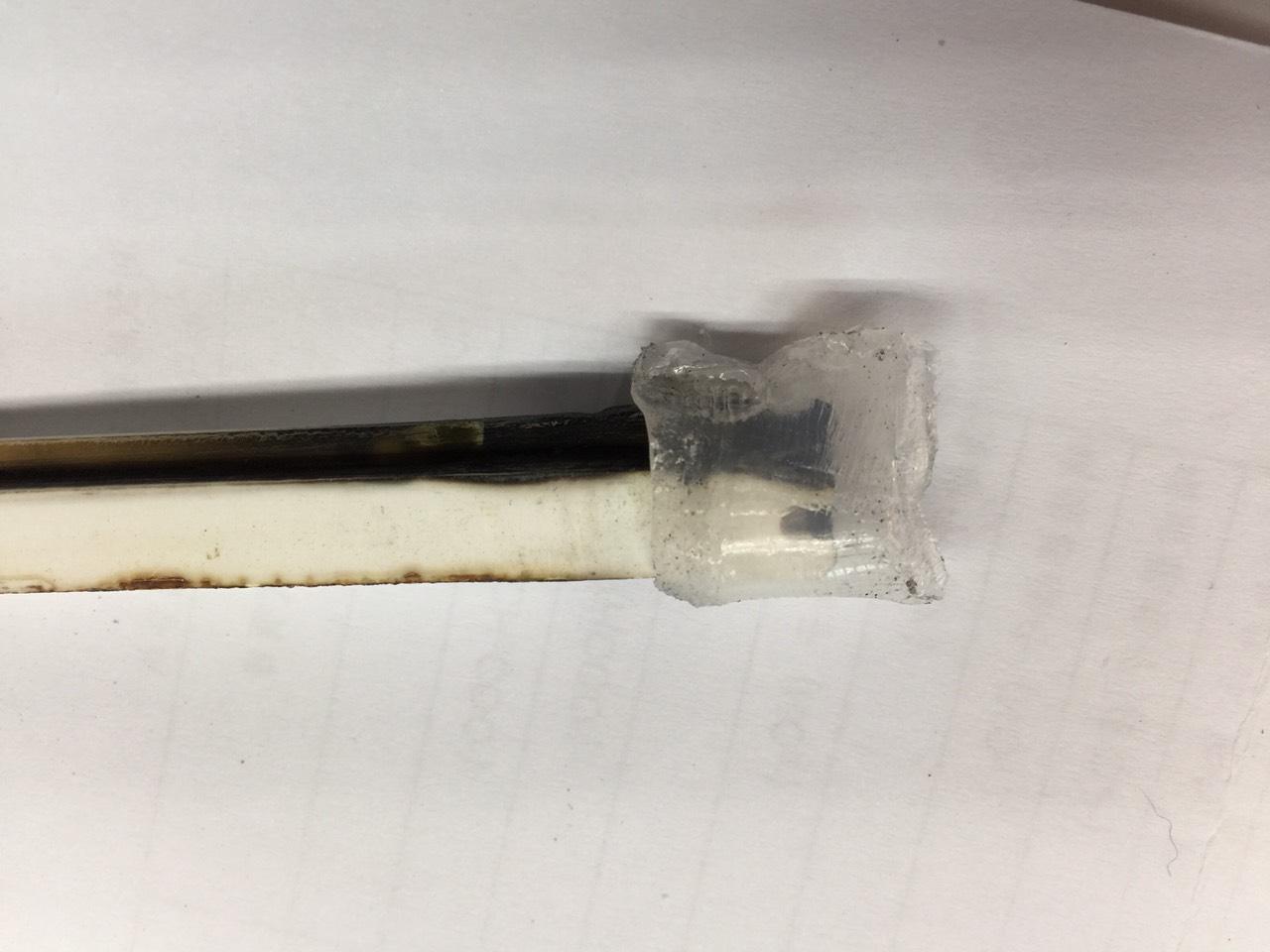
Cover one end with a plastic sleeve before cleaning
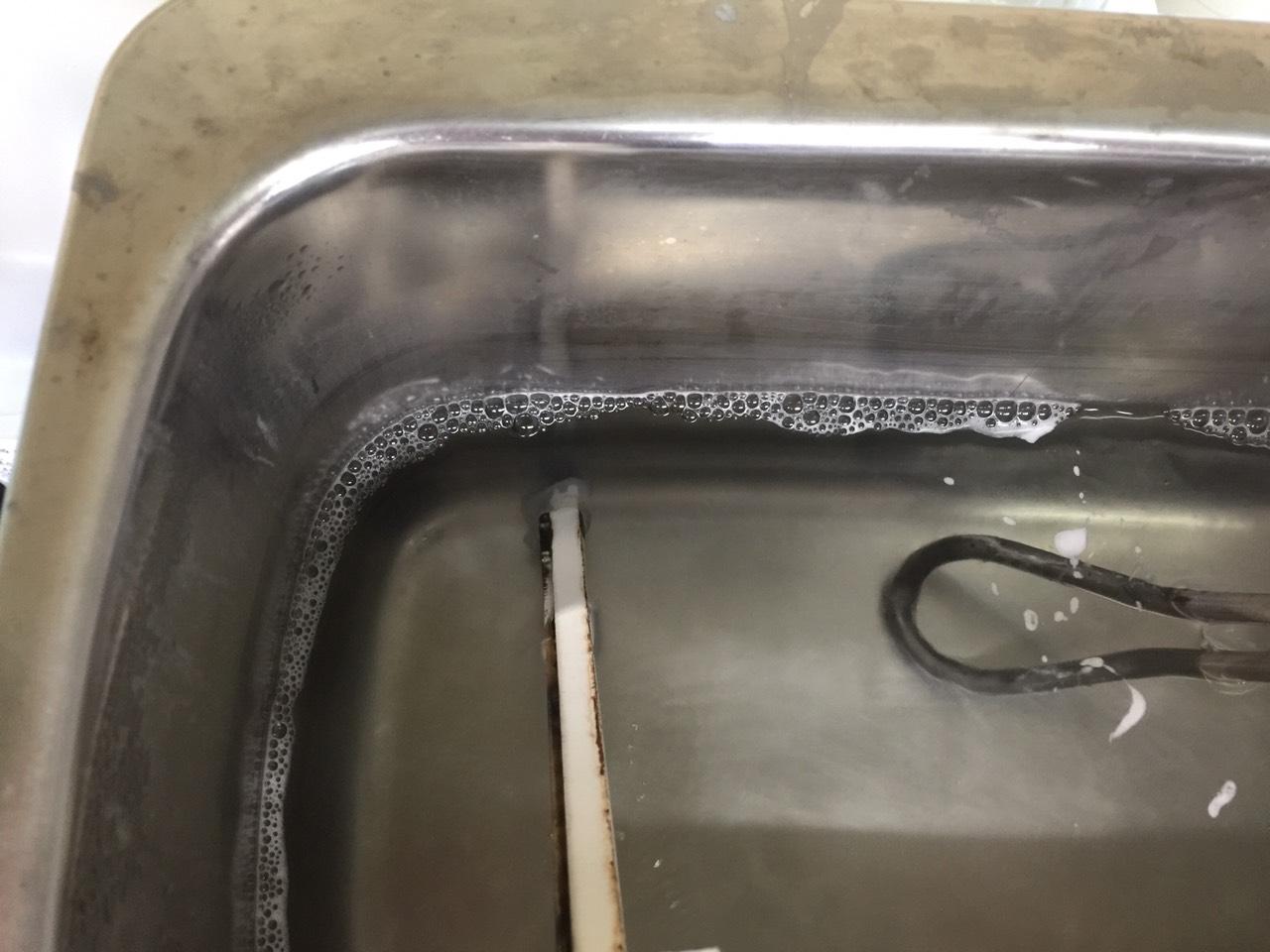
After washing for 5 min, some of the carbon oxides have been removed (red arrows).
After 60 minutes of washing, the lighter carbon oxides below the liquid surface have been removed (red arrows).

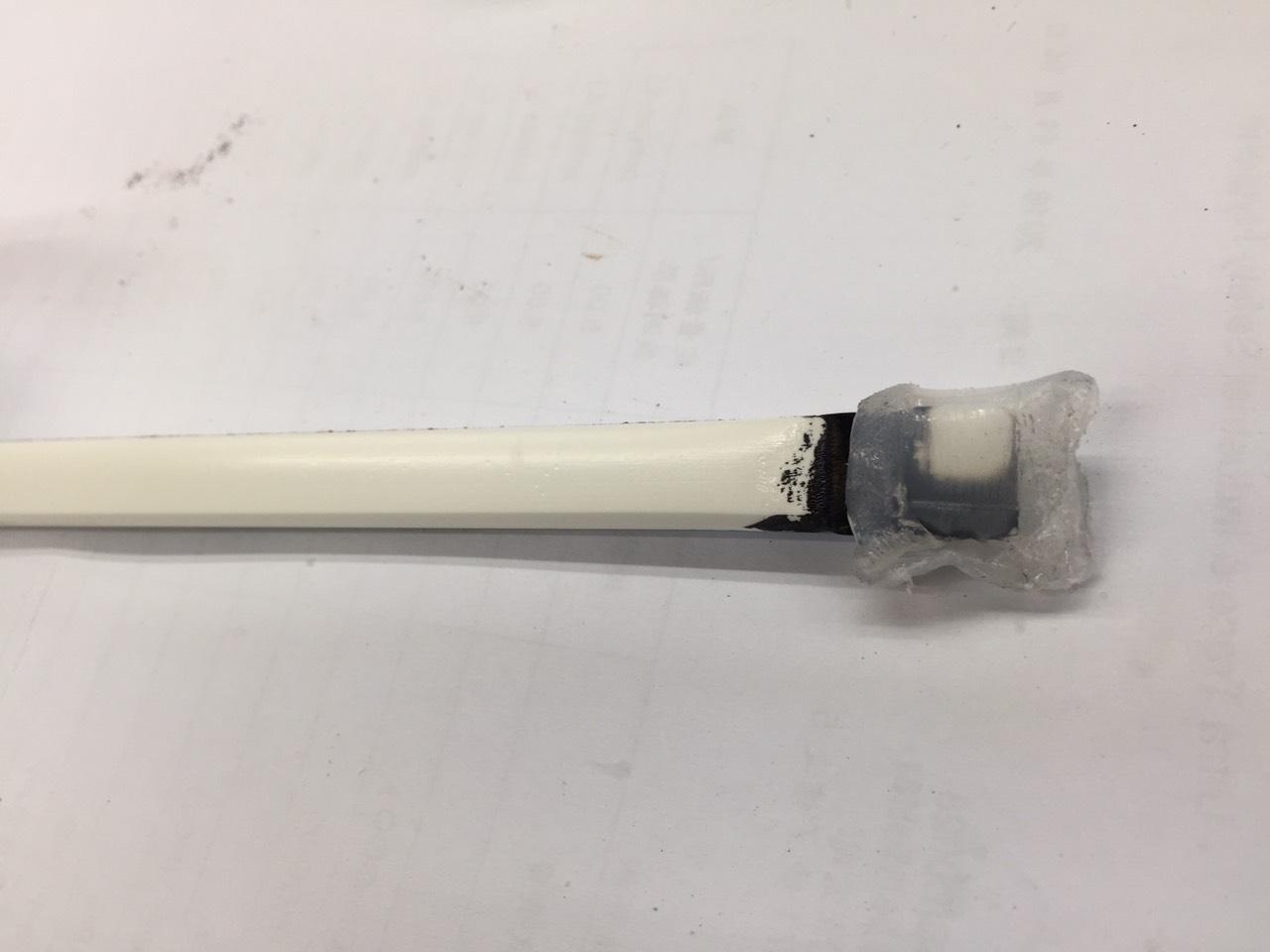
From the perspective of the luster of ceramic parts, after cleaning for 60 minutes with the micro-dust cleaner PTC17plus, the ceramic parts will not be damaged. But thicker carbon oxide residues cannot be removed.
-
Replace the dust cleaning agent PTC05 with stronger alkalinity, the concentration is 50%, (pH 13). Clean one end the same way. After 70°C, 40KHz ultrasonic wave, 100W/L, oscillating cleaning for 10 minutes, it was found that the thinner carbon oxide residue had been removed. But thicker carbon oxide residues cannot be removed. The surface of the ceramic part is not damaged, but the gloss of the surface becomes lighter.
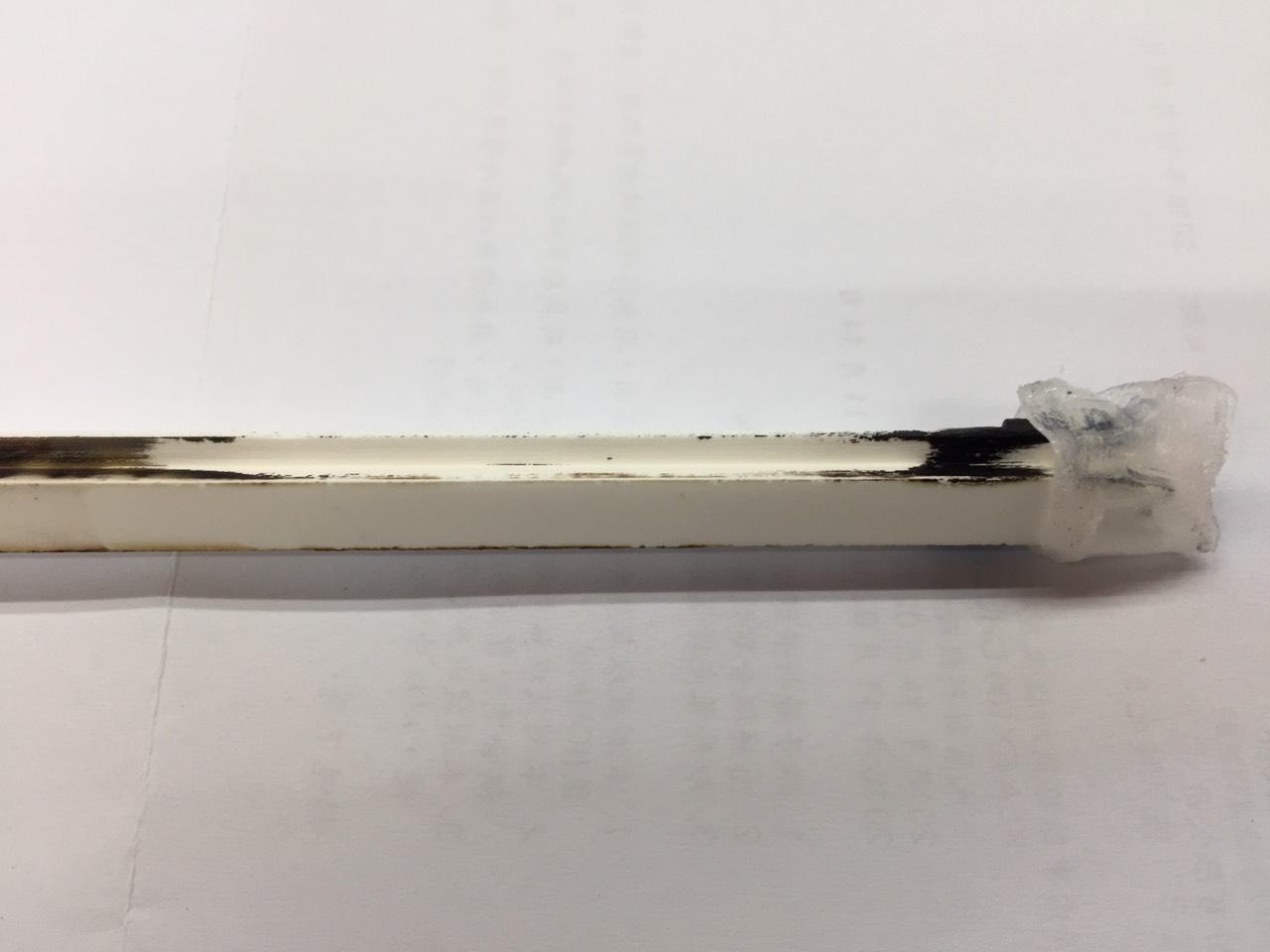
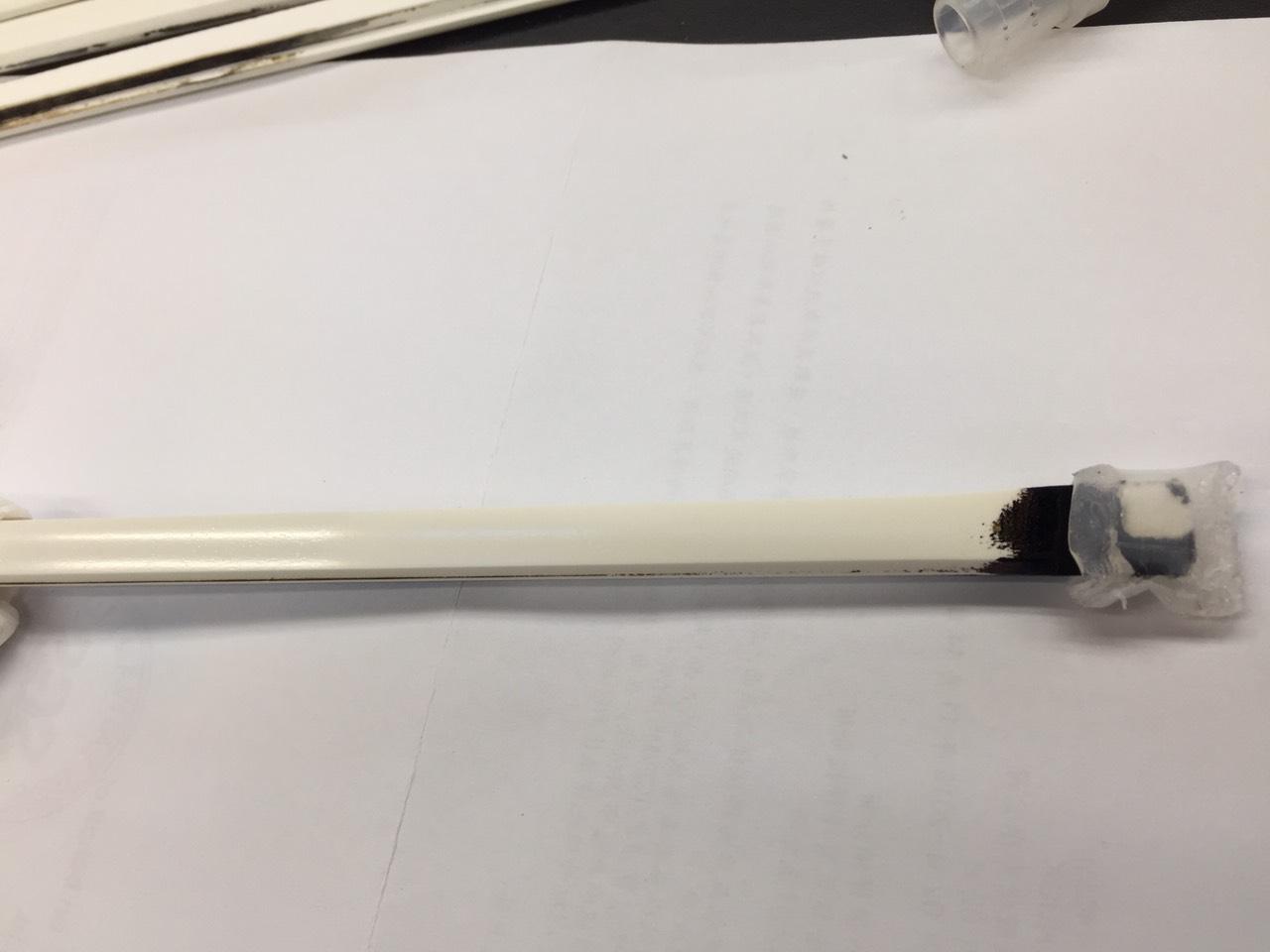
-
conclusion and discussion:
7.1 Microdust cleaners PTC13, PTC17plus, and PTC05 can remove black oxide on the surface of ceramic parts. In terms of cleaning efficiency, PTC13>PTC05>PTC17plus. However, it cannot remove thicker and firmer black oxides.
7.2 Microdust cleaner PTC17plus will not cause damage to the surface of ceramic parts. Even if it is cleaned with stock solution and ultrasonic wave for 60 minutes, it will not change the surface gloss of ceramic parts.
7.3 Microdust cleaner PTC05 will not cause damage to the surface of ceramic parts. As for the change of the surface gloss of ceramic parts, it needs to be further judged. Is the formation of surface gloss of ceramic parts the same gloss that new ceramic parts have? Or in the plasma vacuum chamber, the luster caused by the contamination of ceramic parts (for example: thin film formed by silicon dioxide deposition)? If the latter, from the test results, PTC05 is the best cleaning agent, and the cleaning efficiency is the best.
7.4 Cleaning suggestions:
Customers are advised to remove the ceramic parts every week (or every 1~10 times of using the plasma cleaner), and clean them with ultrasonic waves. In the case of thinner black oxide deposits, they can be easily removed. Routine maintenance is far more efficient than taking it off for cleaning when it is abnormally discharged.