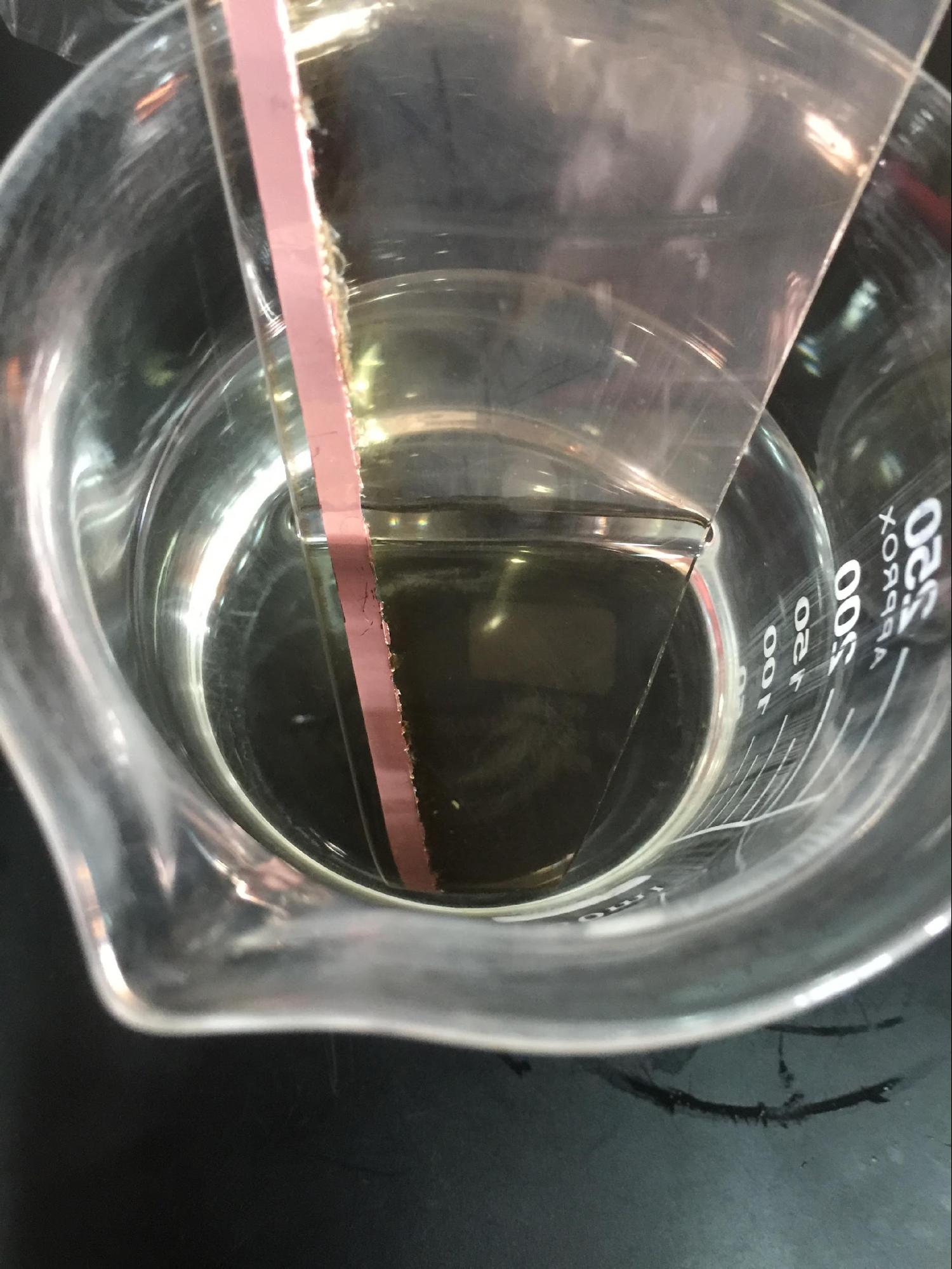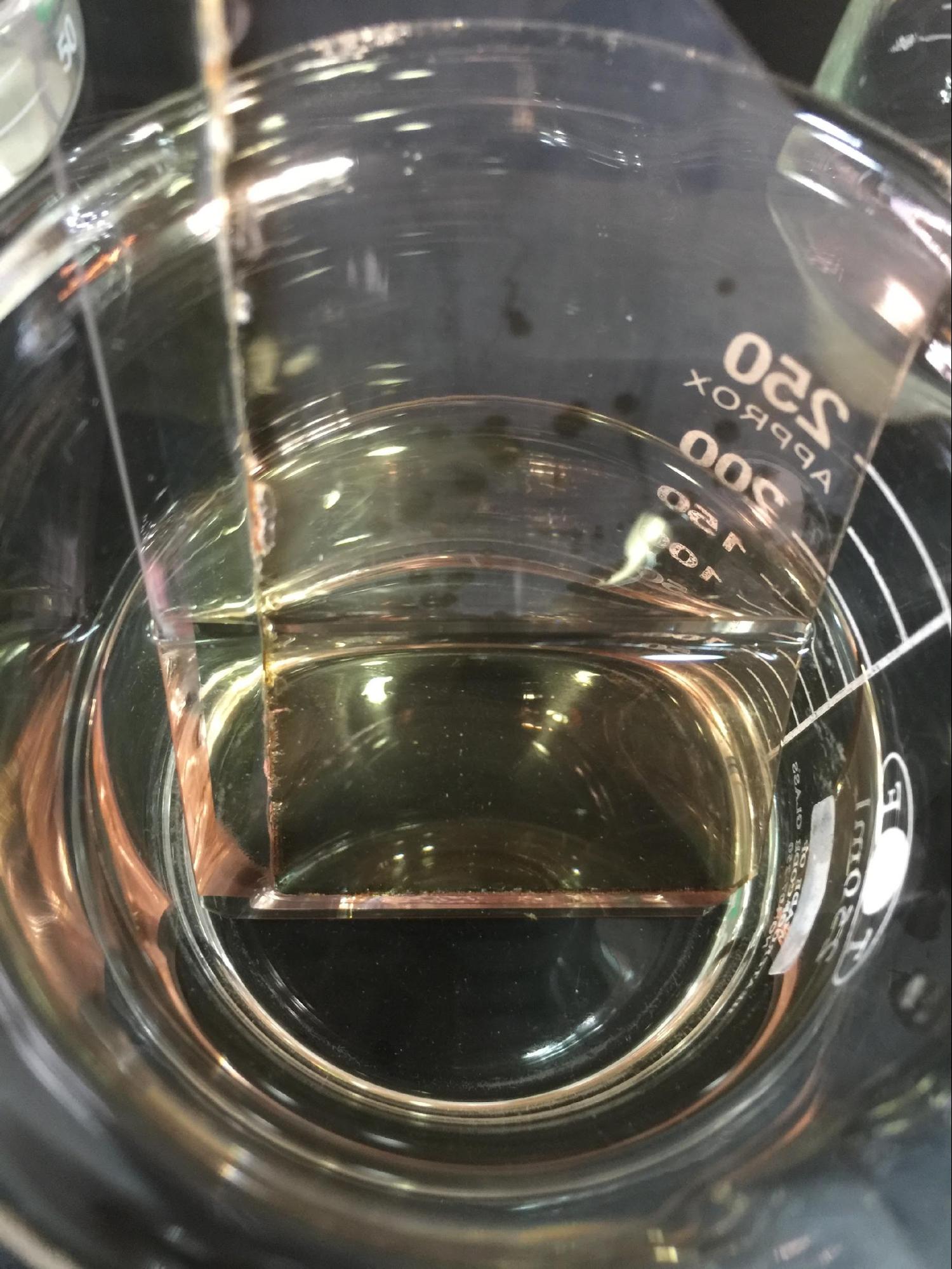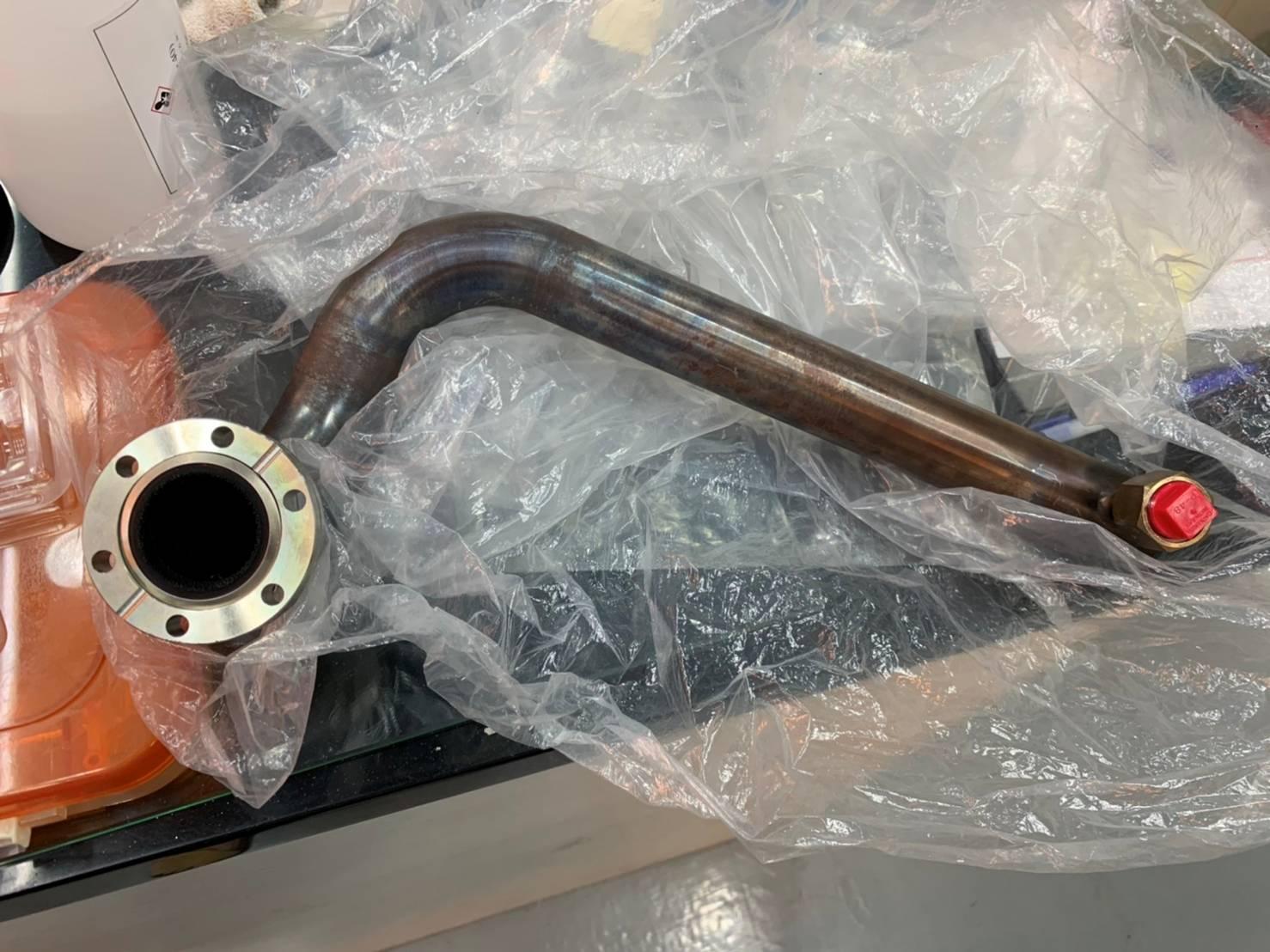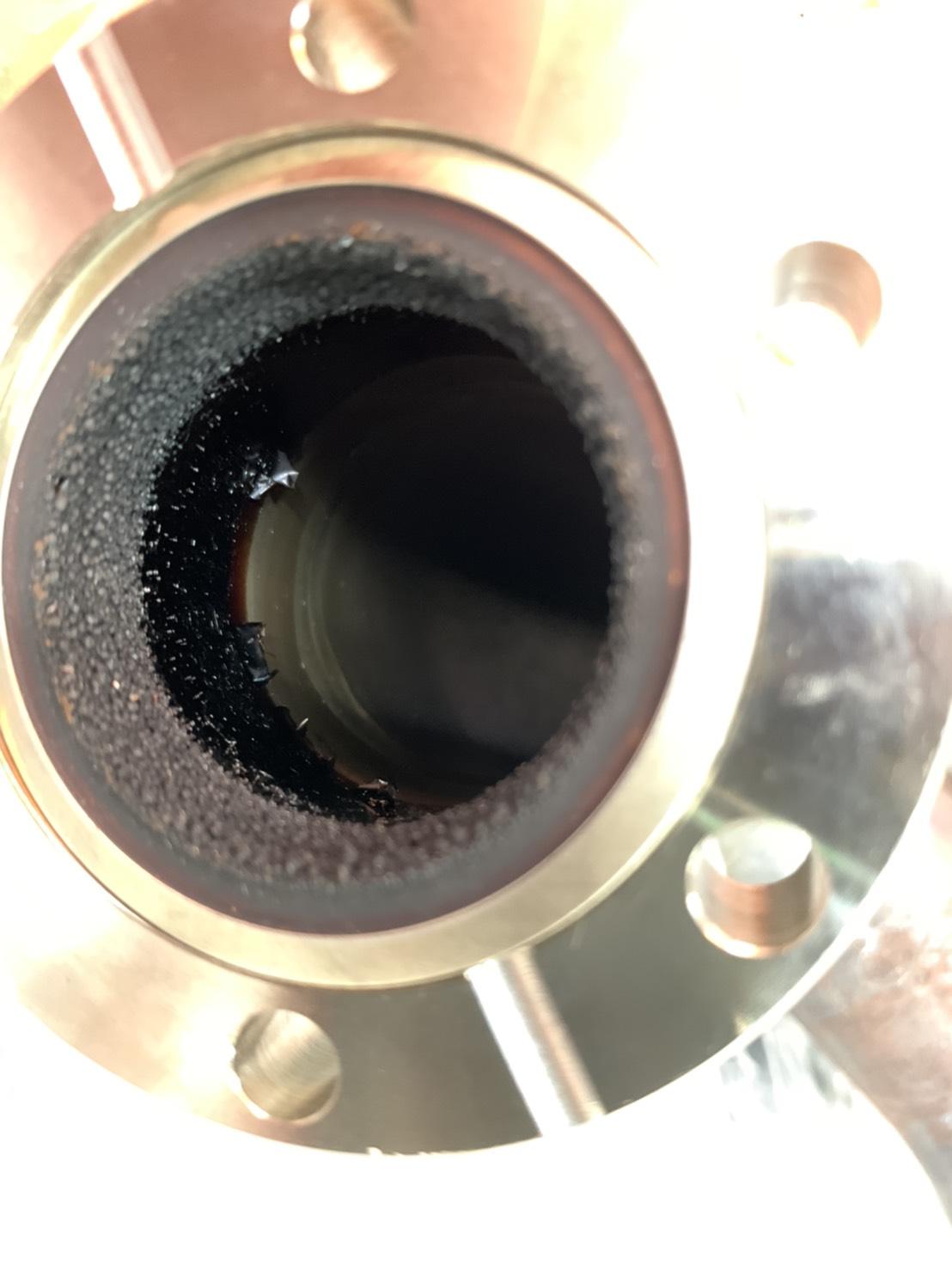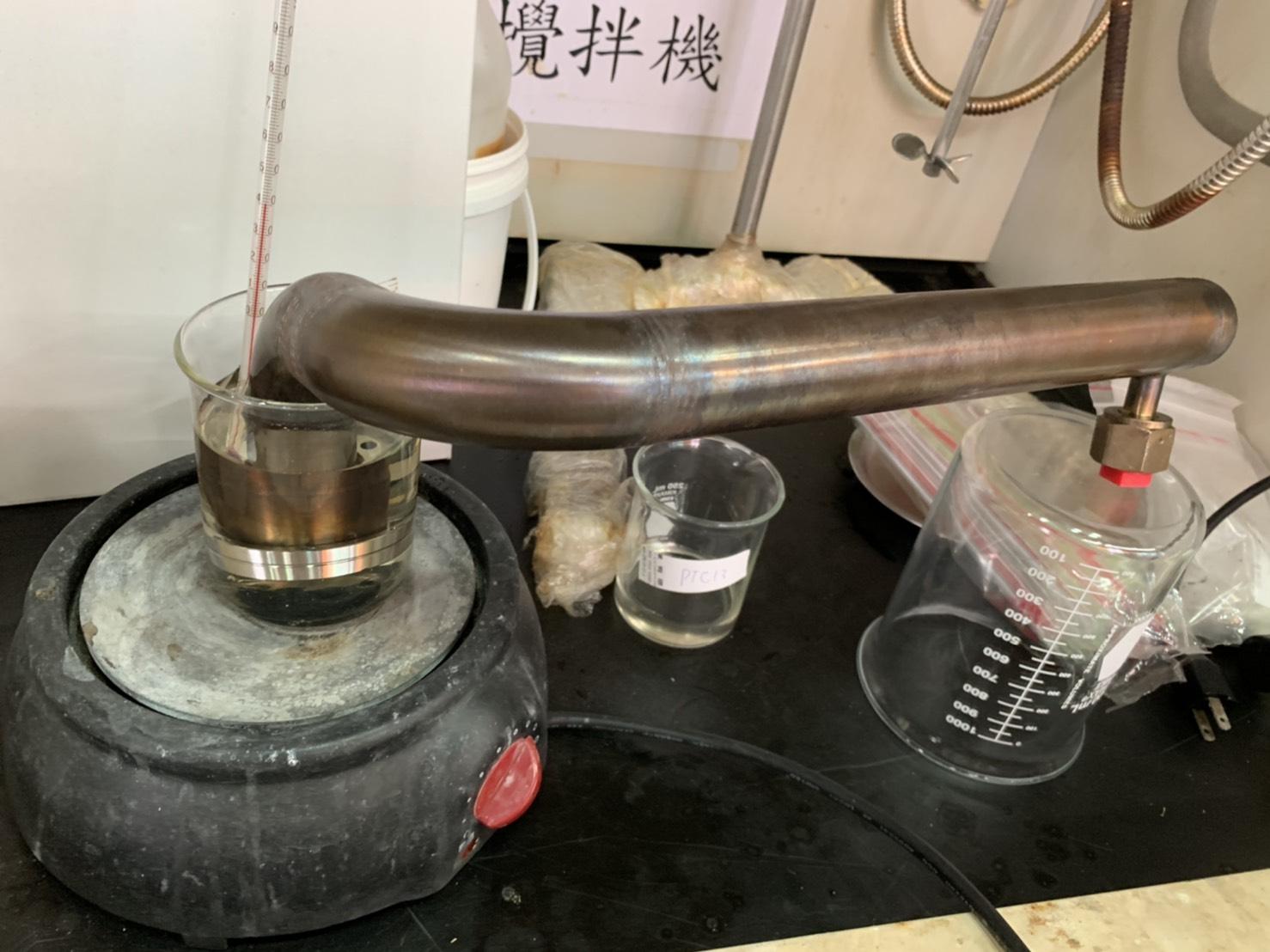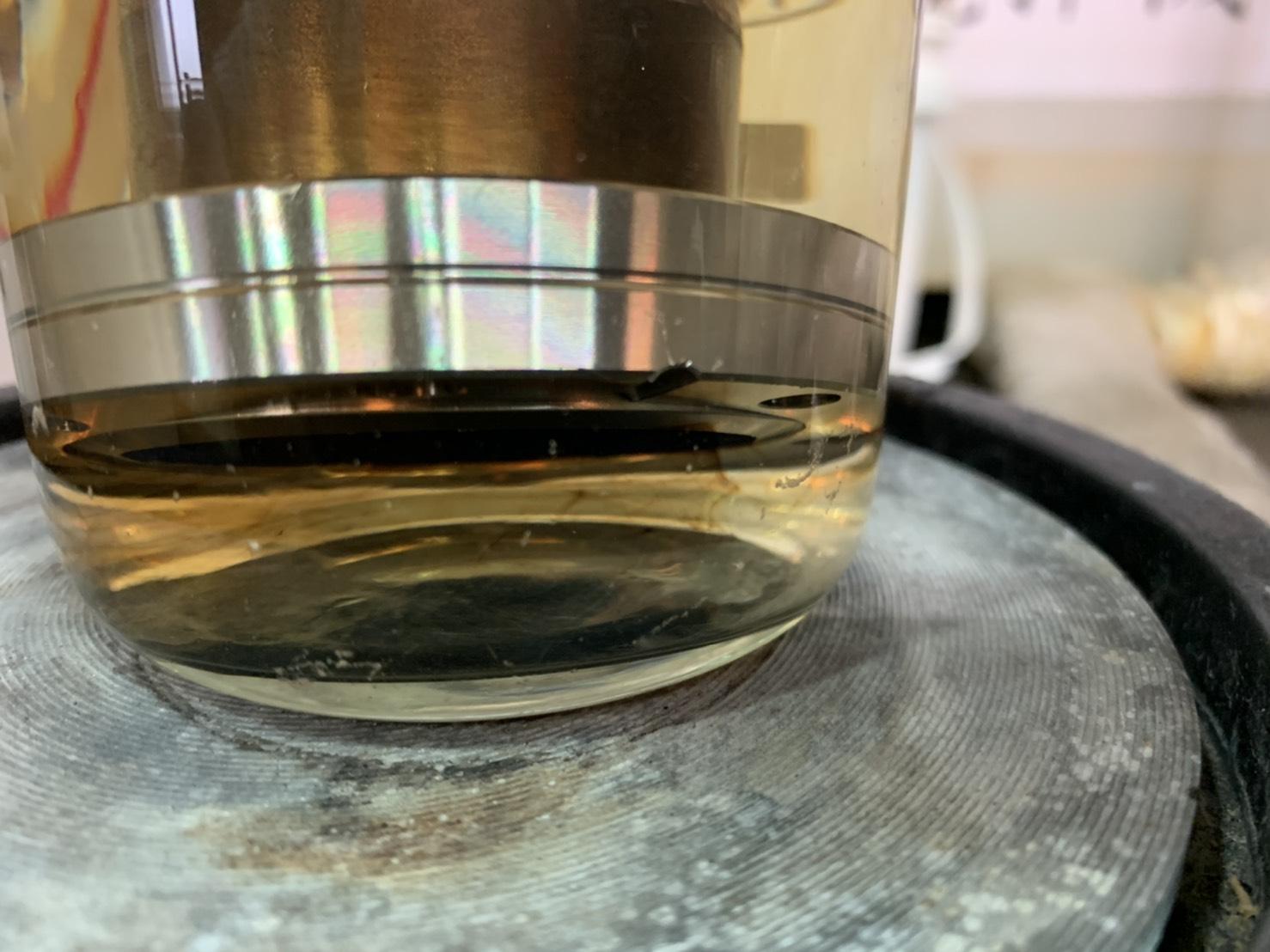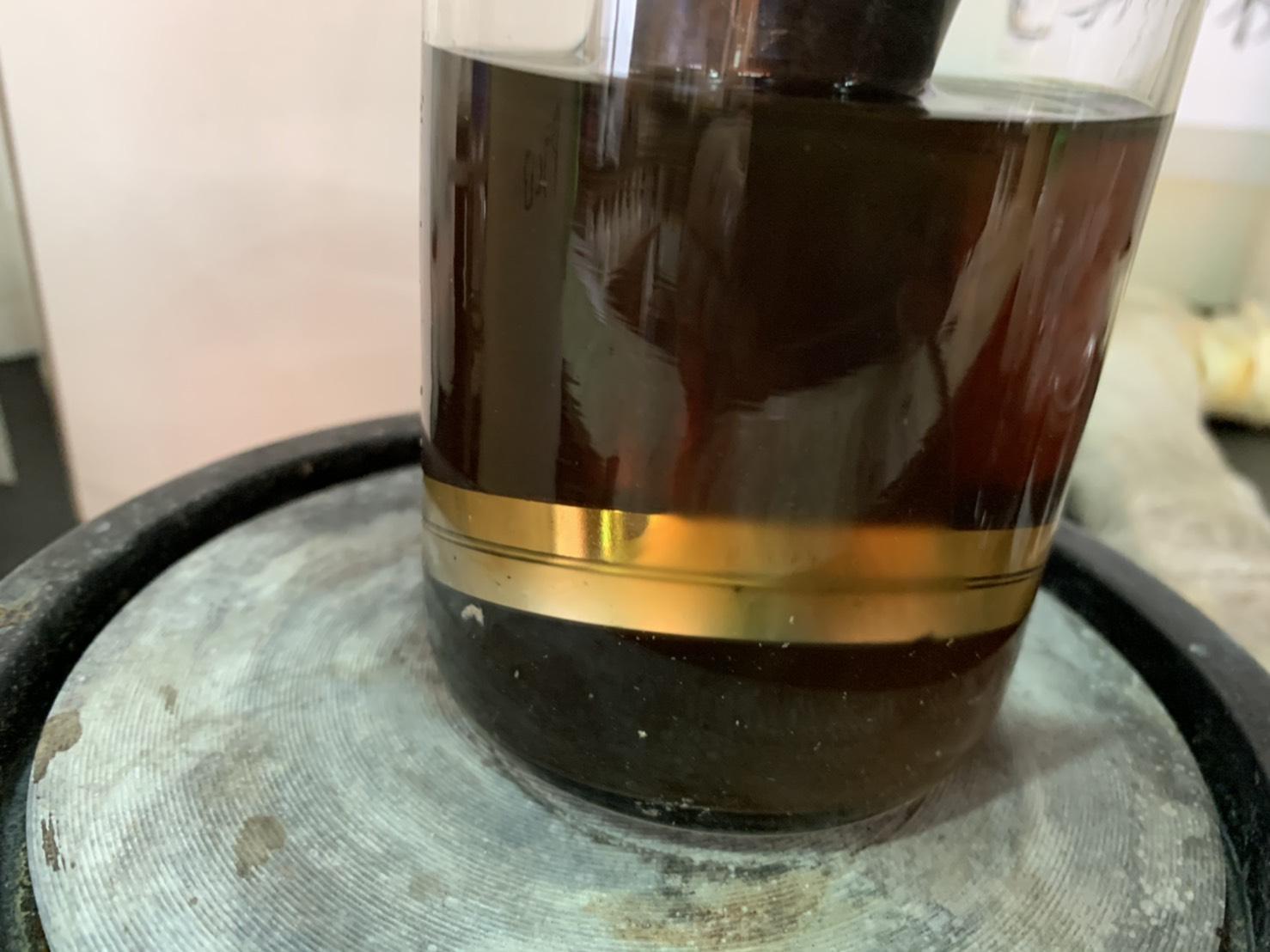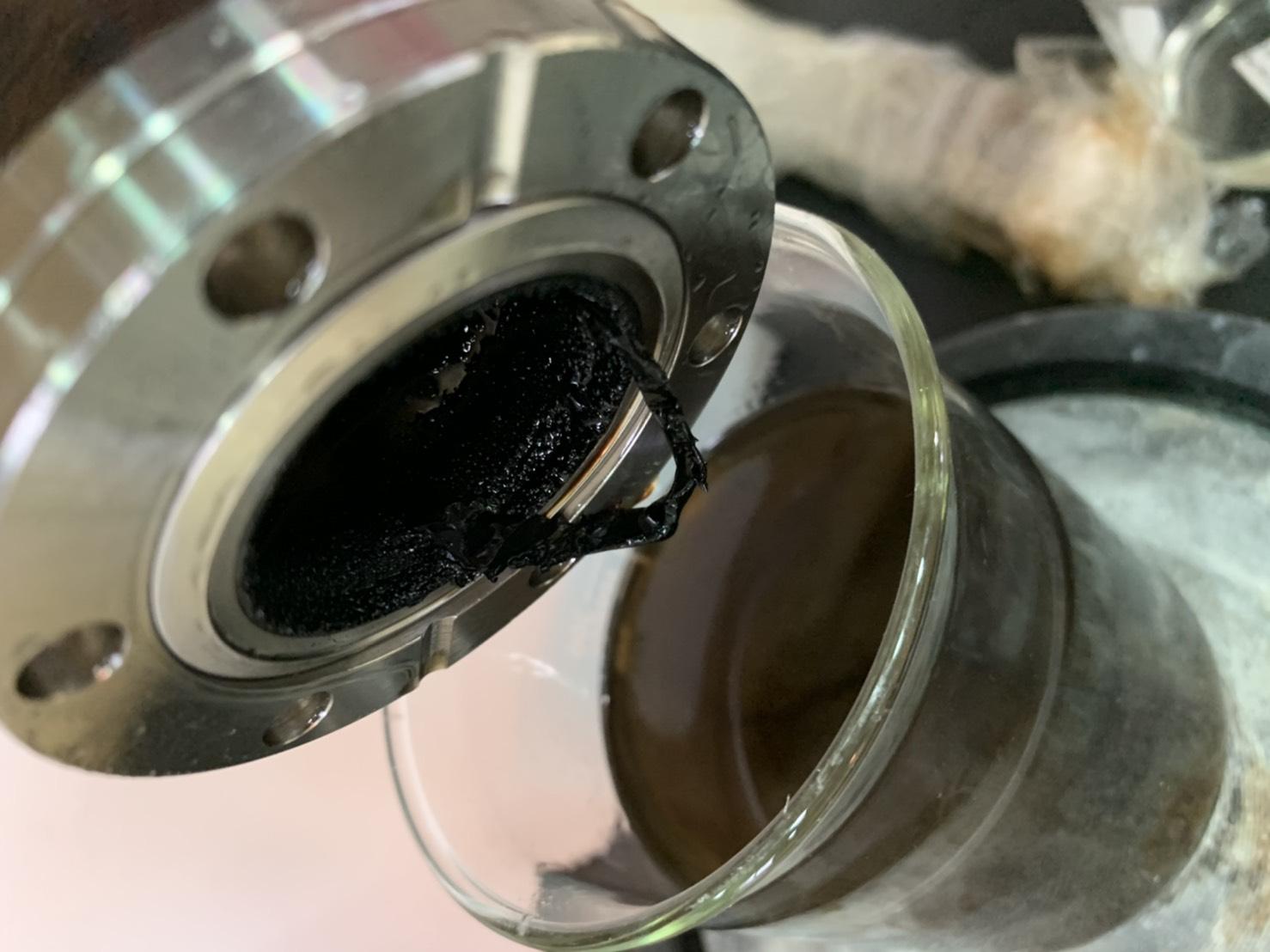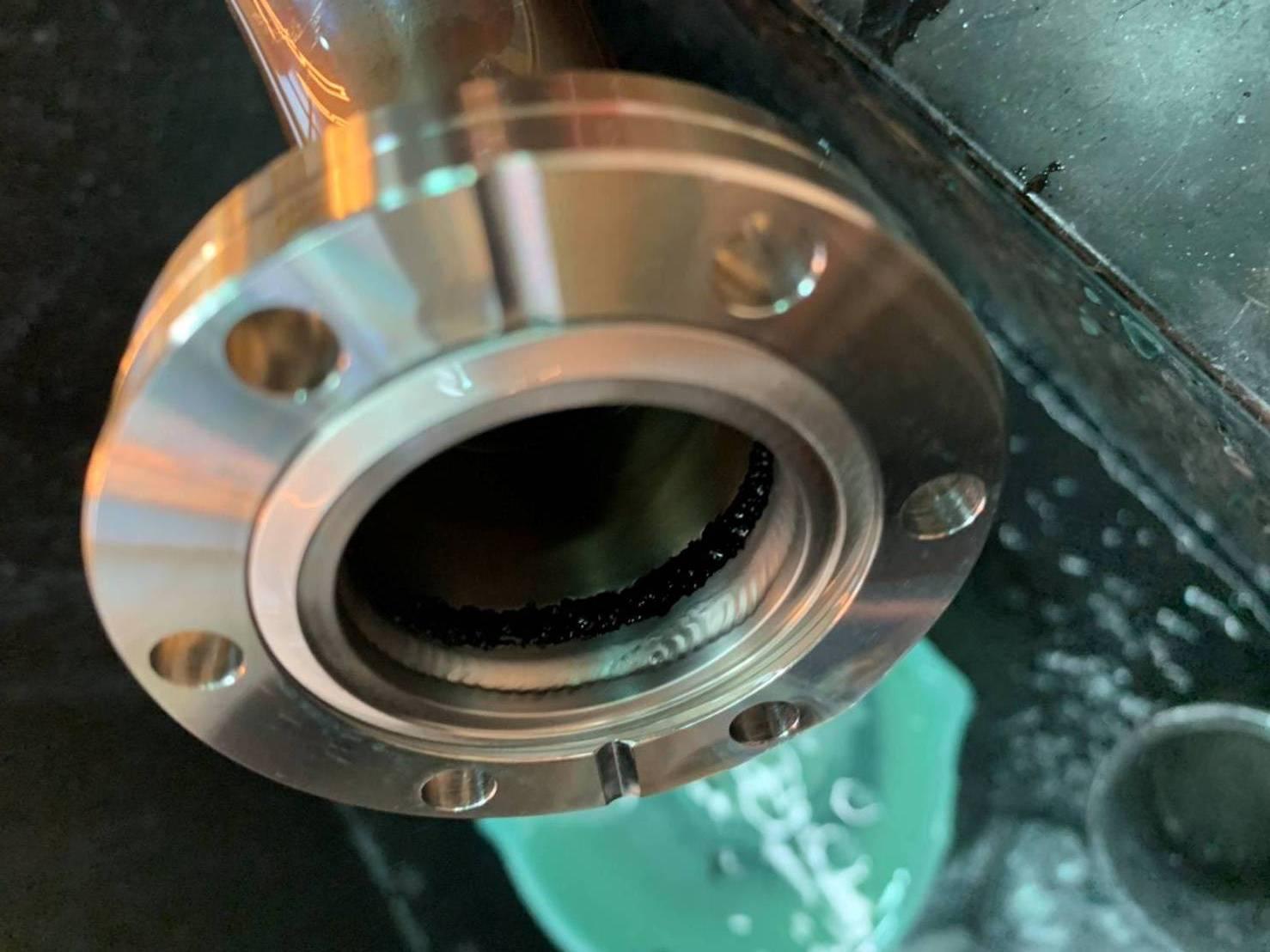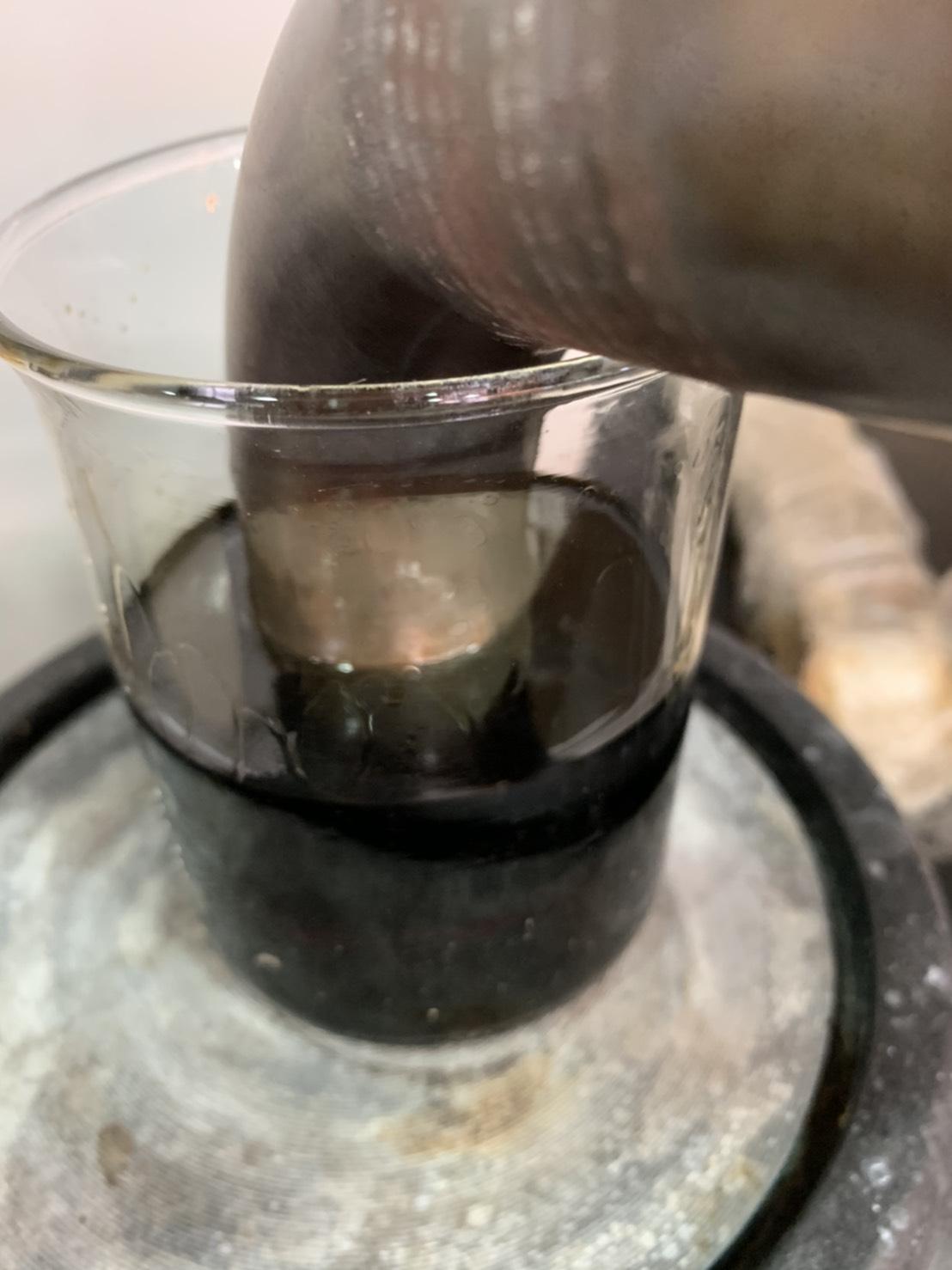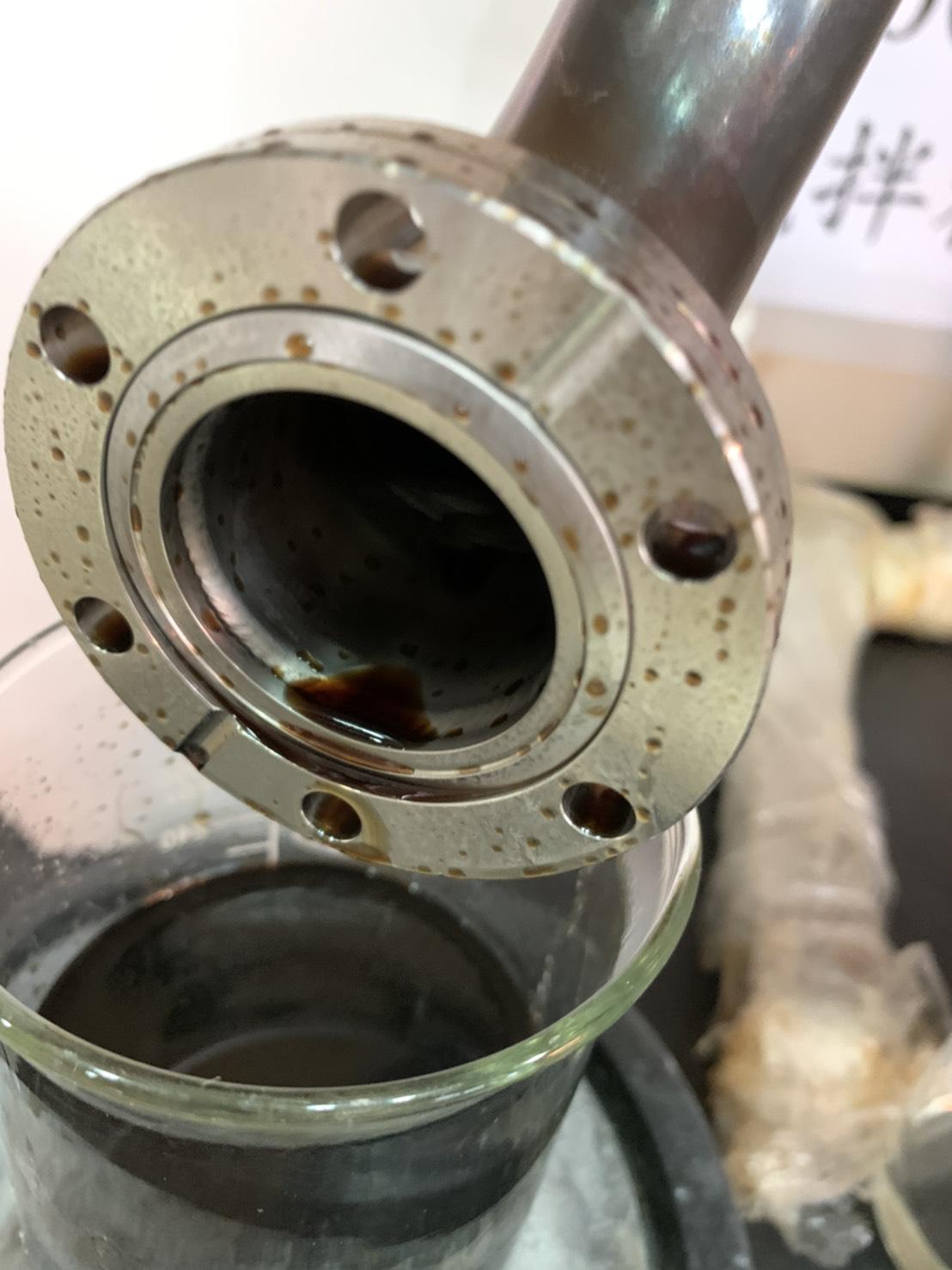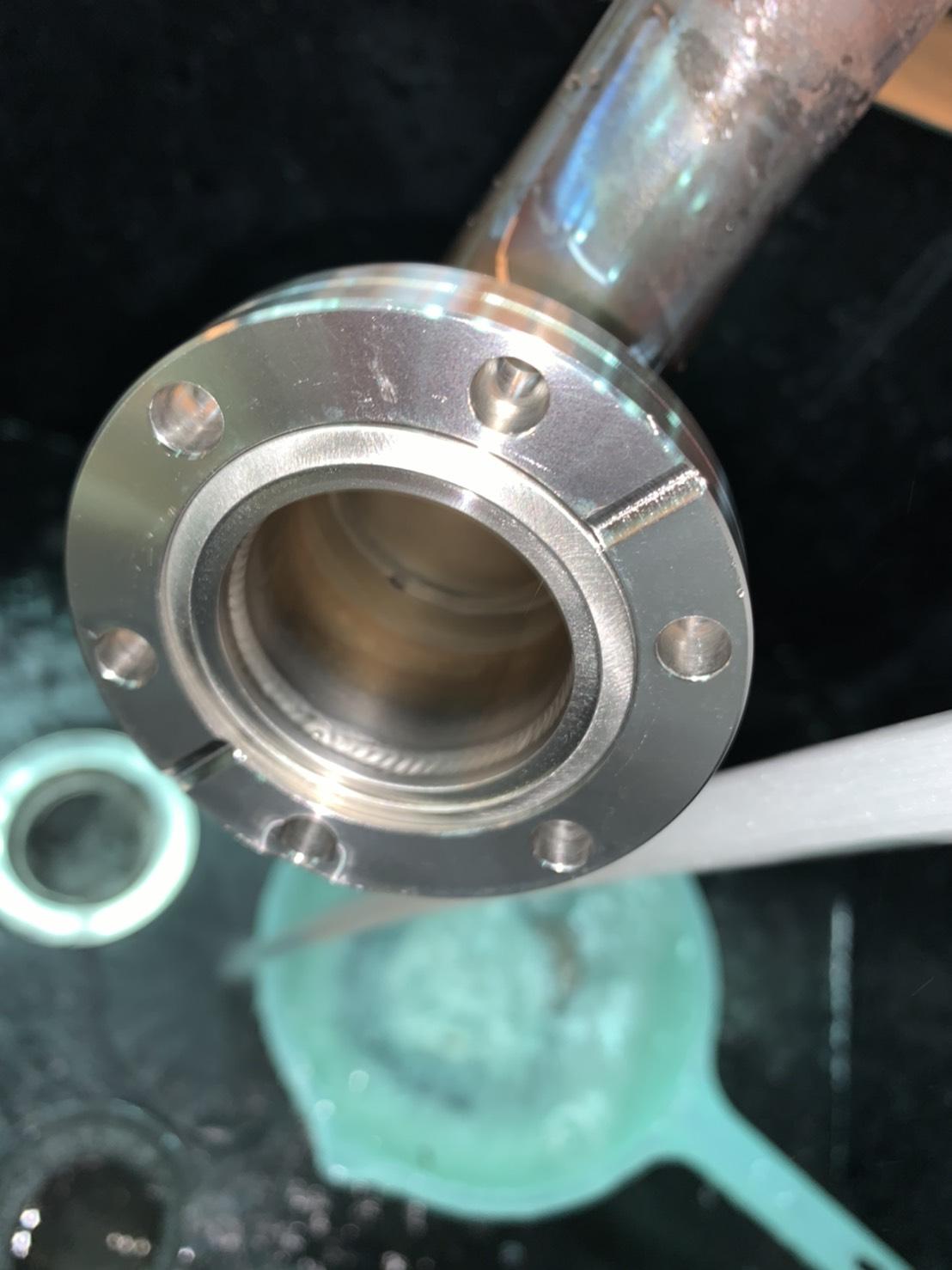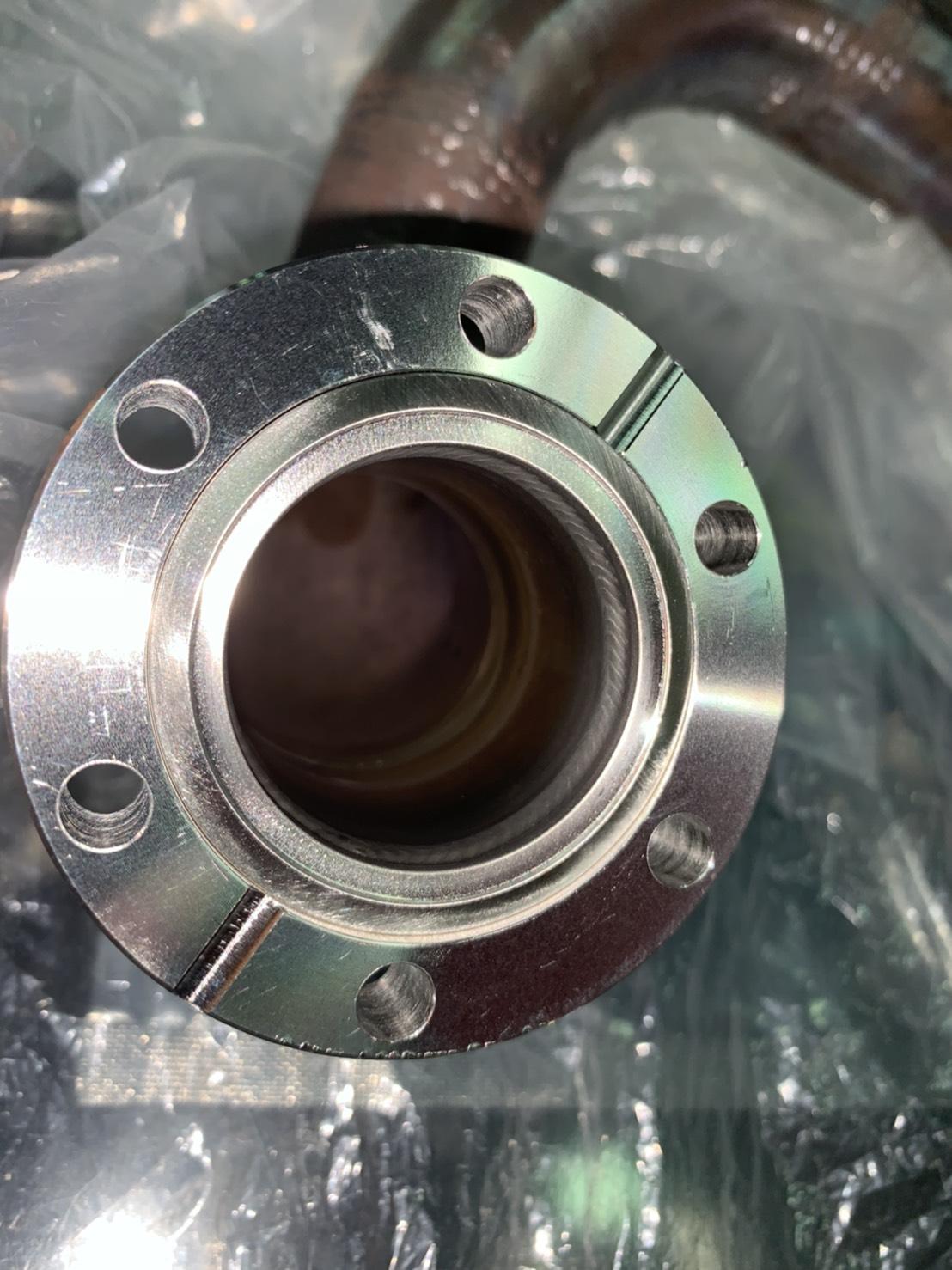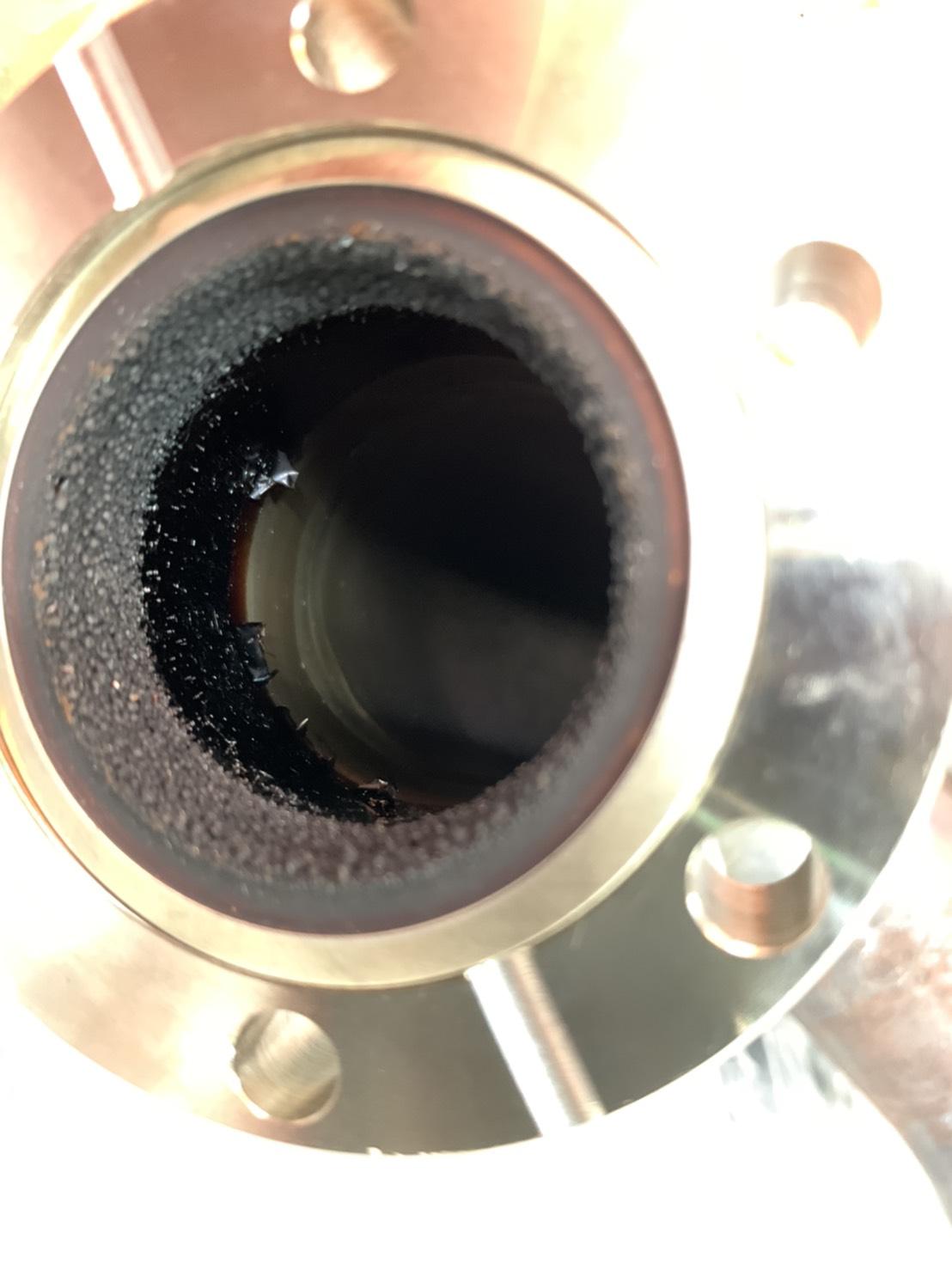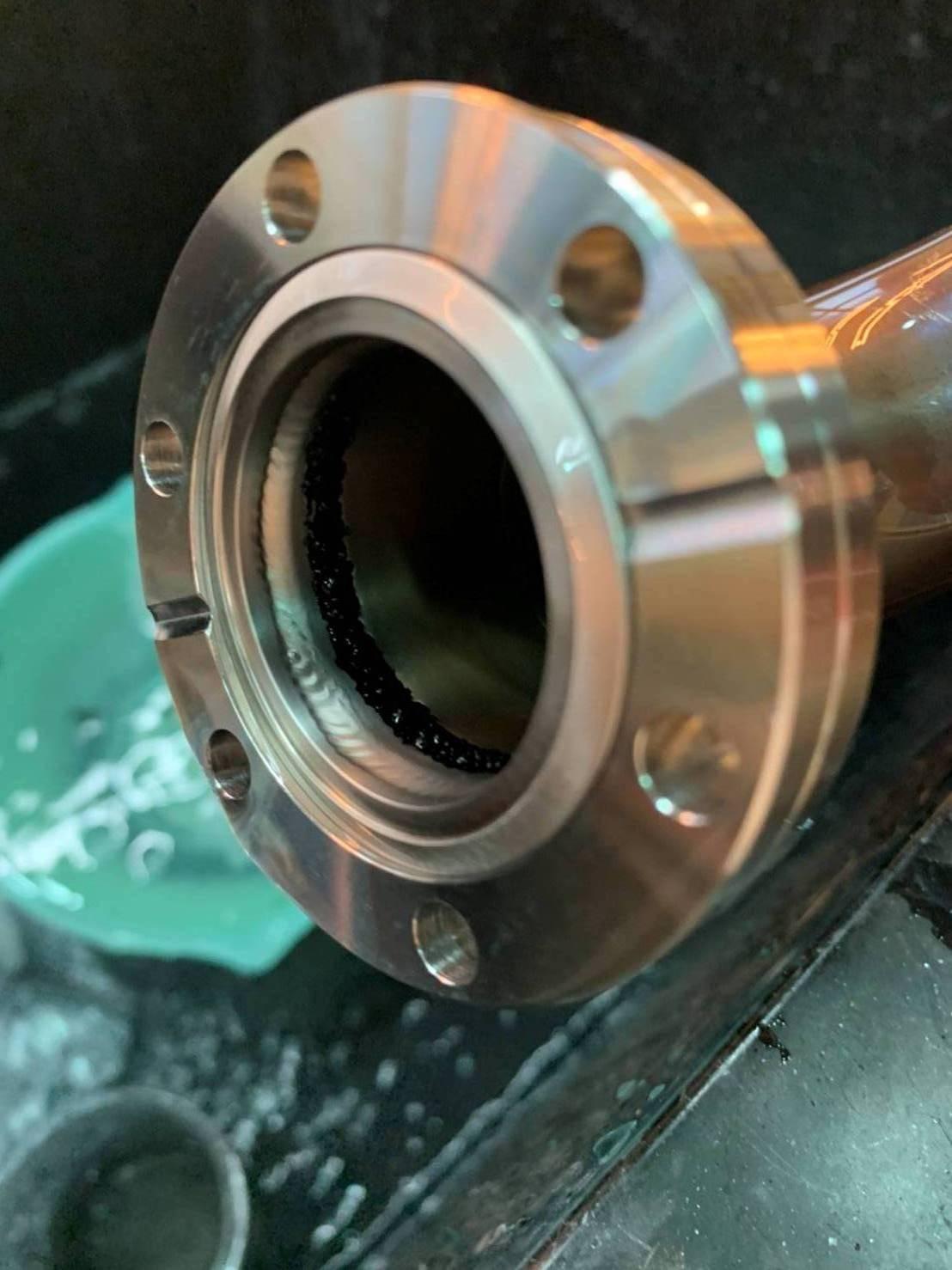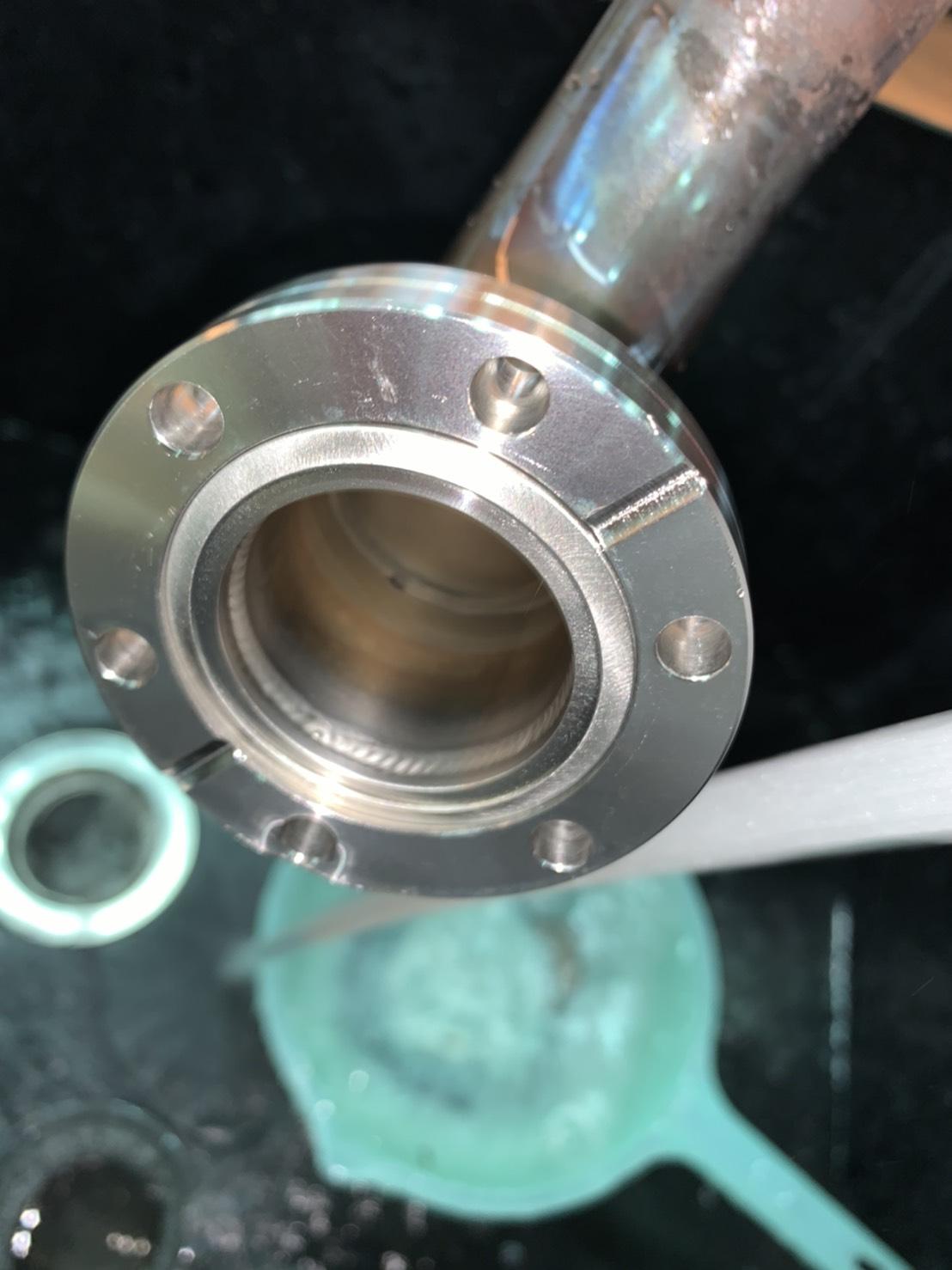
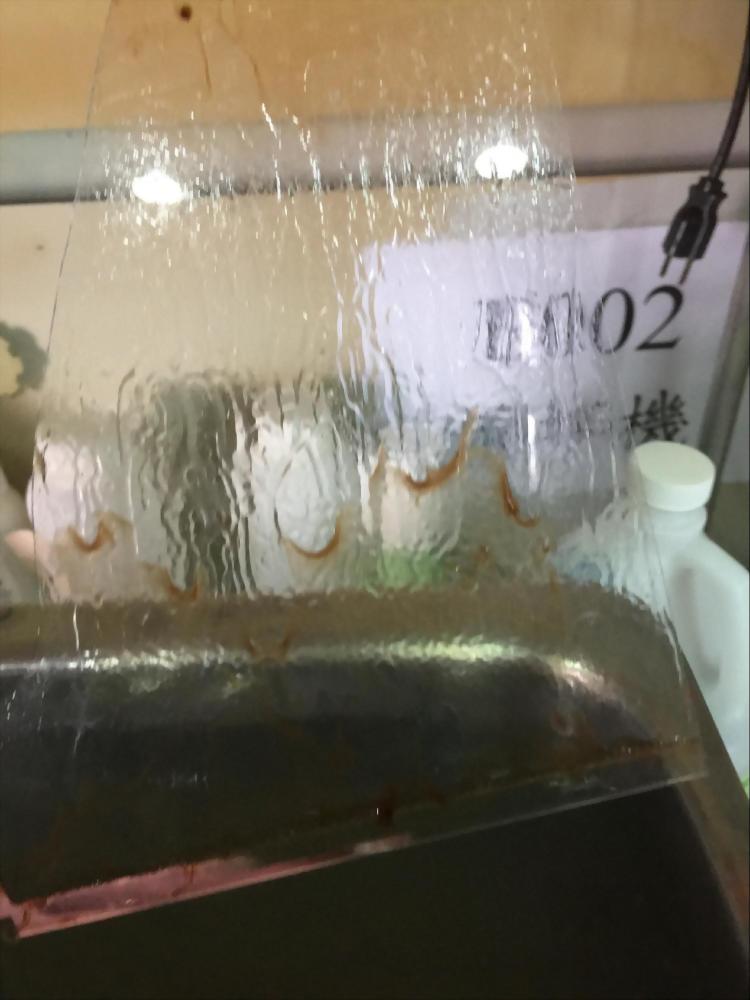
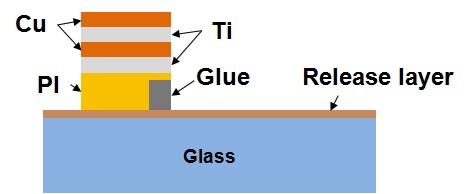
Workpiece description: This glass is a substrate for semiconductor manufacturing process. According to the customer's description, coating or affixing Polyimide(PI) tape on the glass substrate, the PI film is deposited with metals of different materials on it, so as long as PI can be effectively removed, the glass can be completely cleaned theoretically.
-
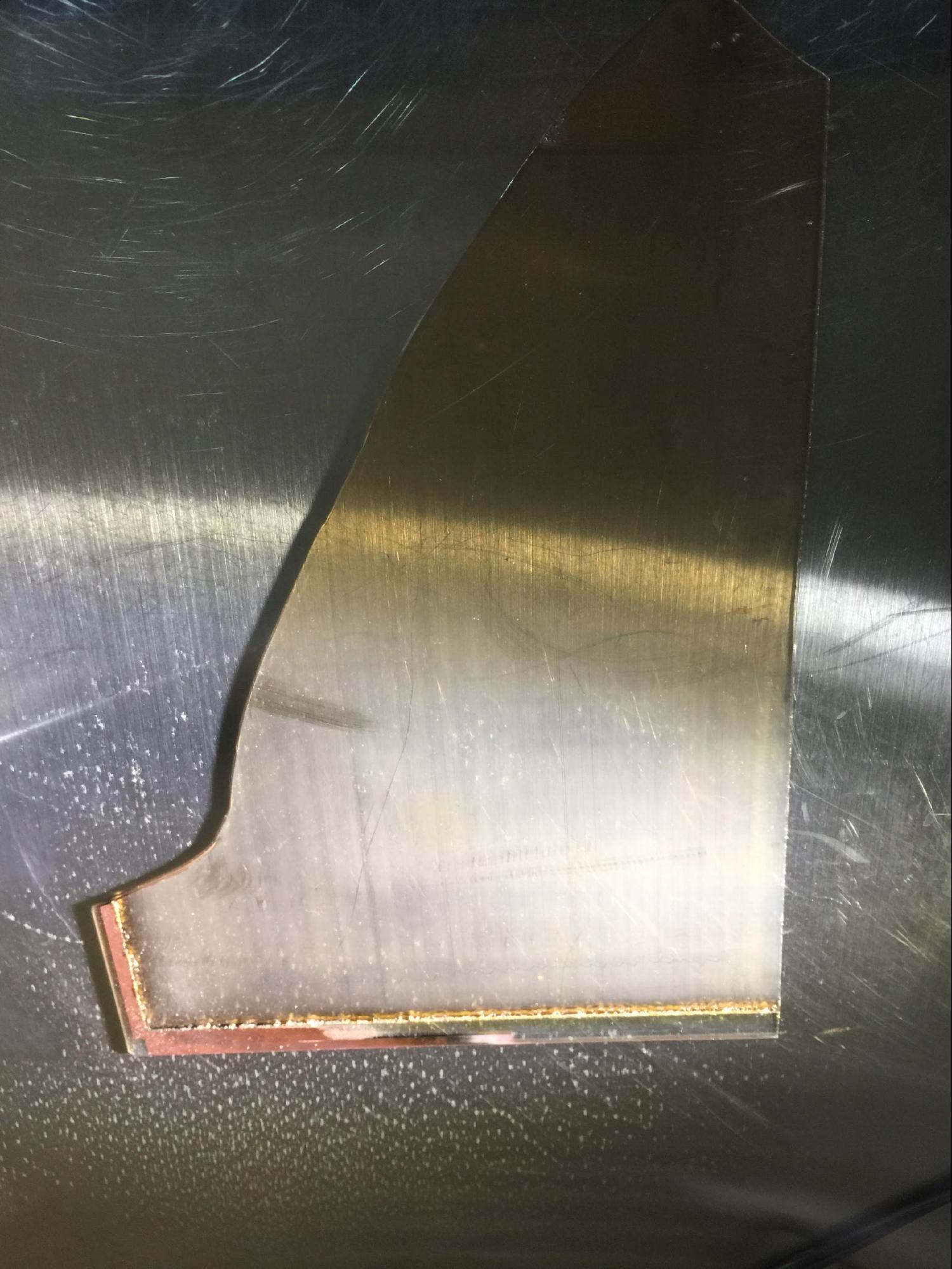
Before washing, look. The sample sent by the customer has been broken.
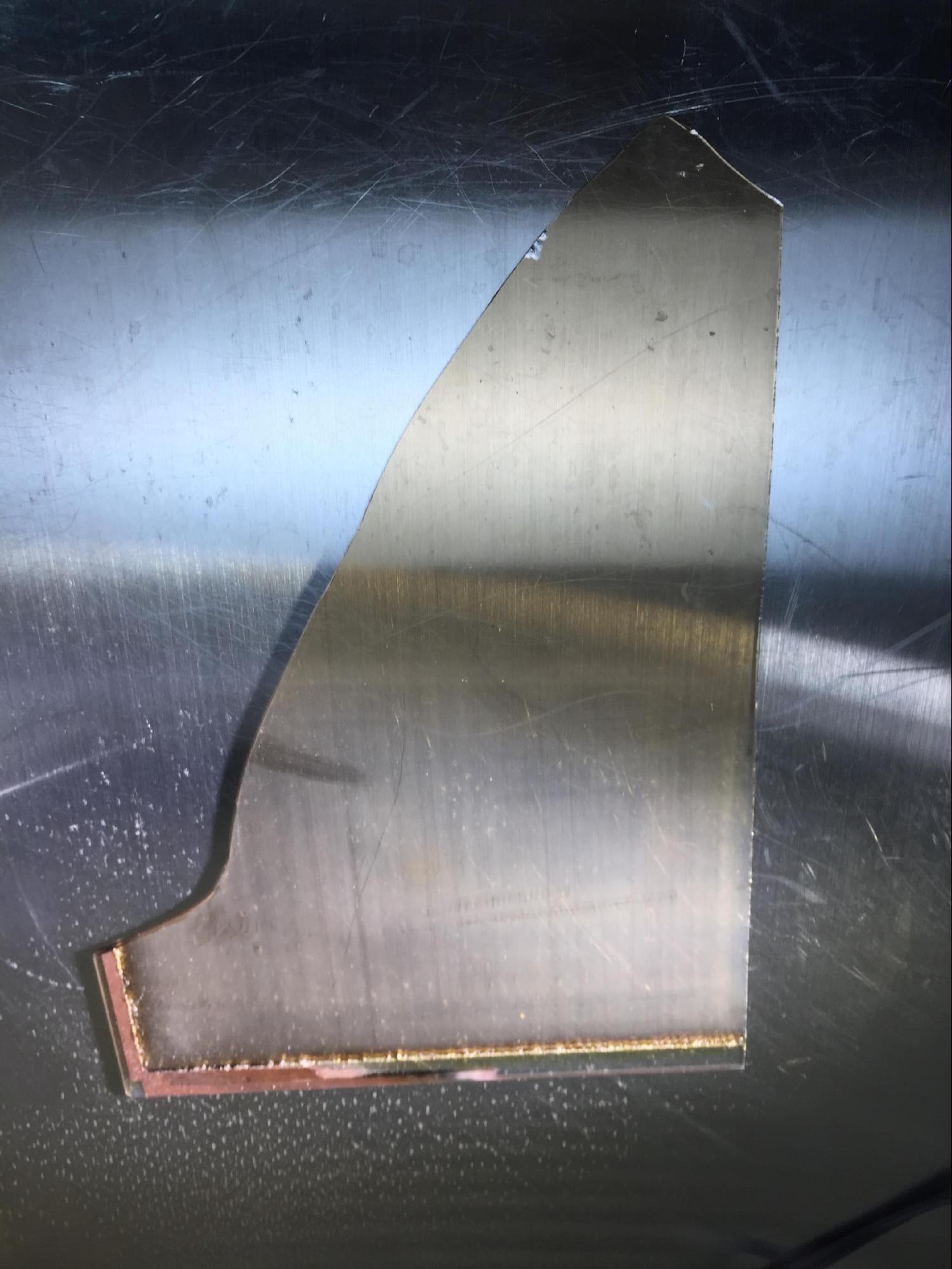
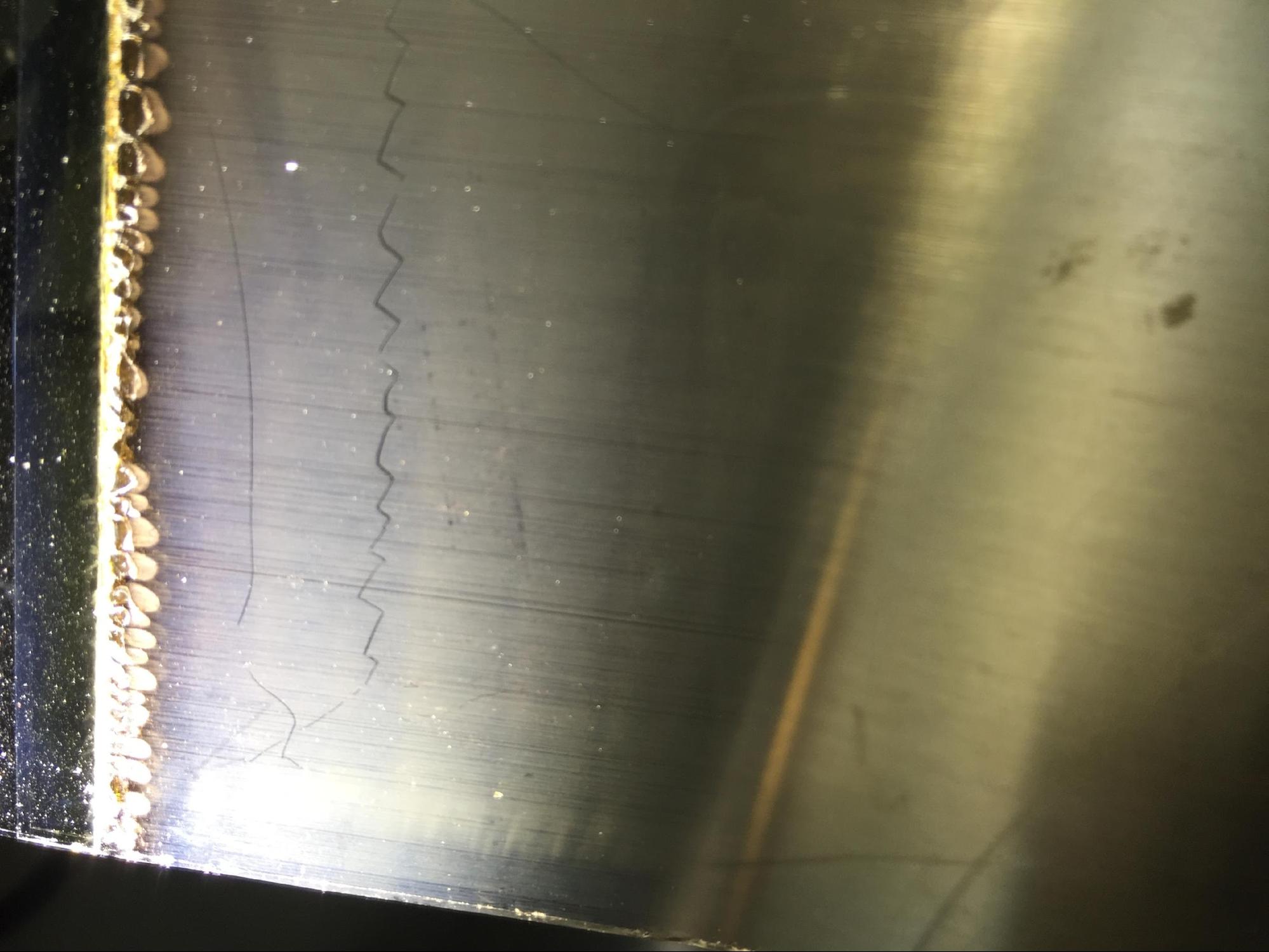
The underlying PI film (or tape) has a part without metal (copper/titanium) layer.
-
Place the glass substrate at 70°C in the dust cleaning agent PTC13 and soak for 1 minute.
It was found that the release layer on the glass substrate had been dissolved.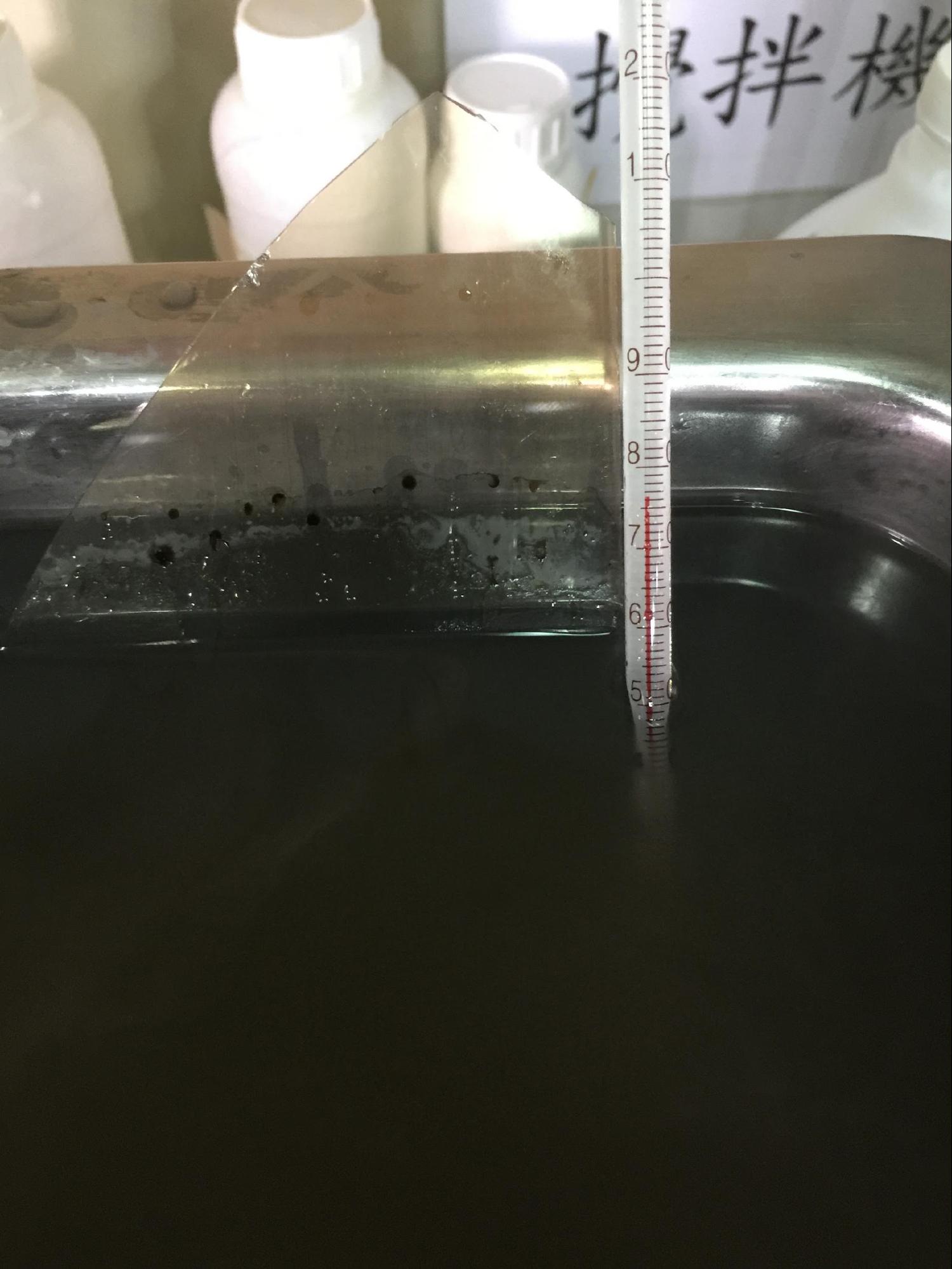
-
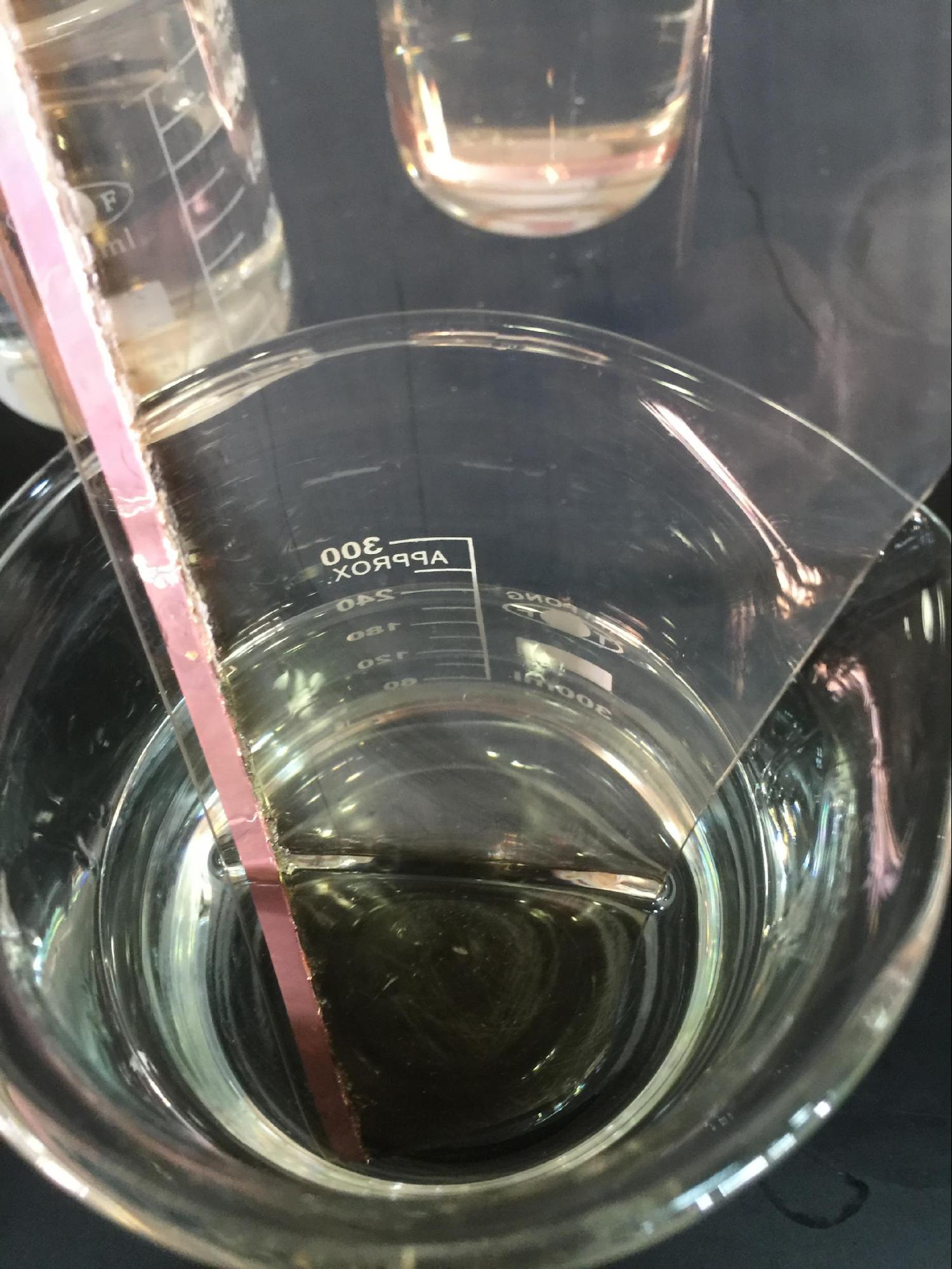
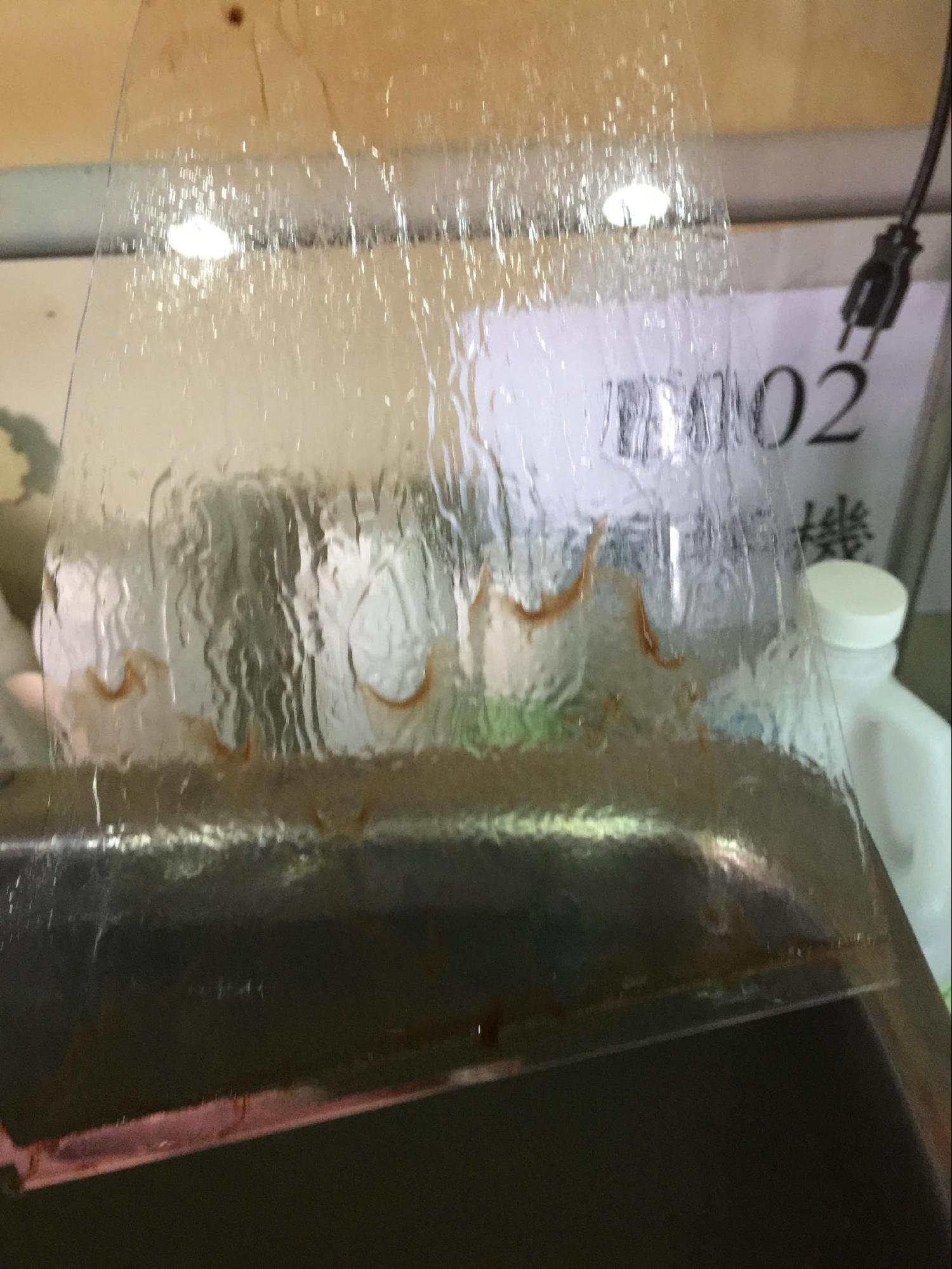
At 70°C, after immersing in the dust cleaning agent PTC13 for 5 minutes. The release layer has been completely cleared. However, the part covered by the PI tape has not been removed because the medicine cannot be directly touched. The PI tape did not come off either.
-
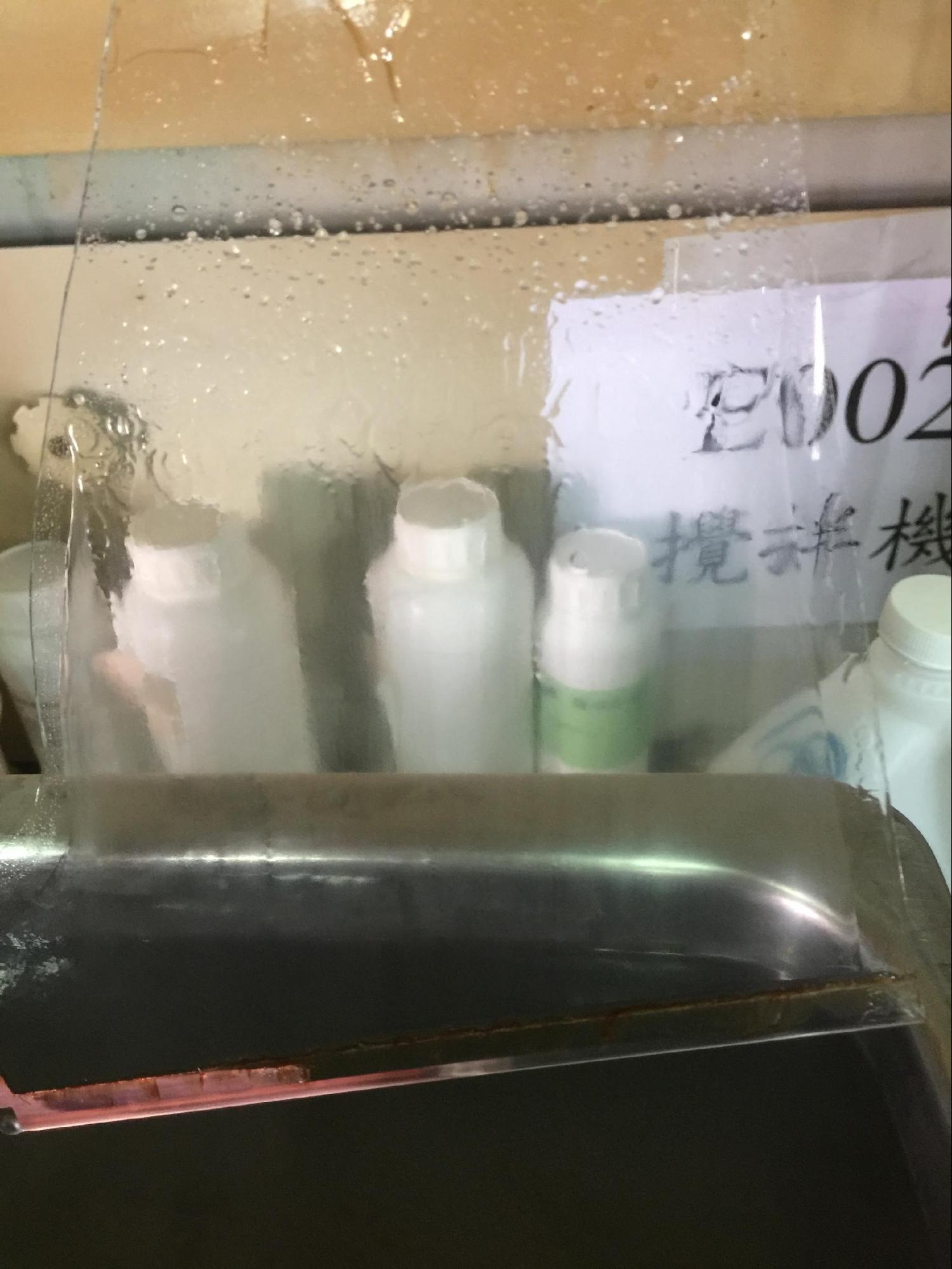
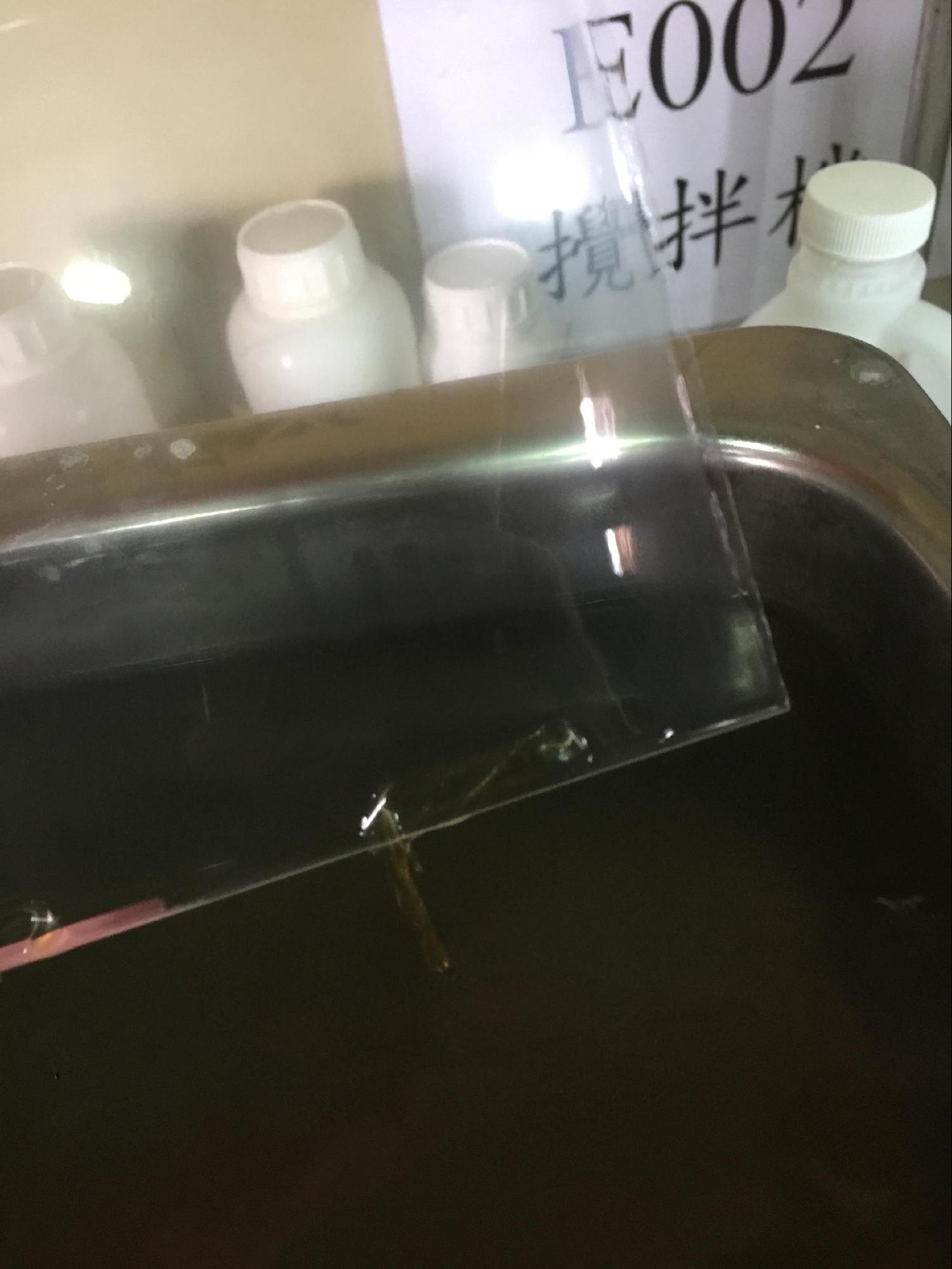
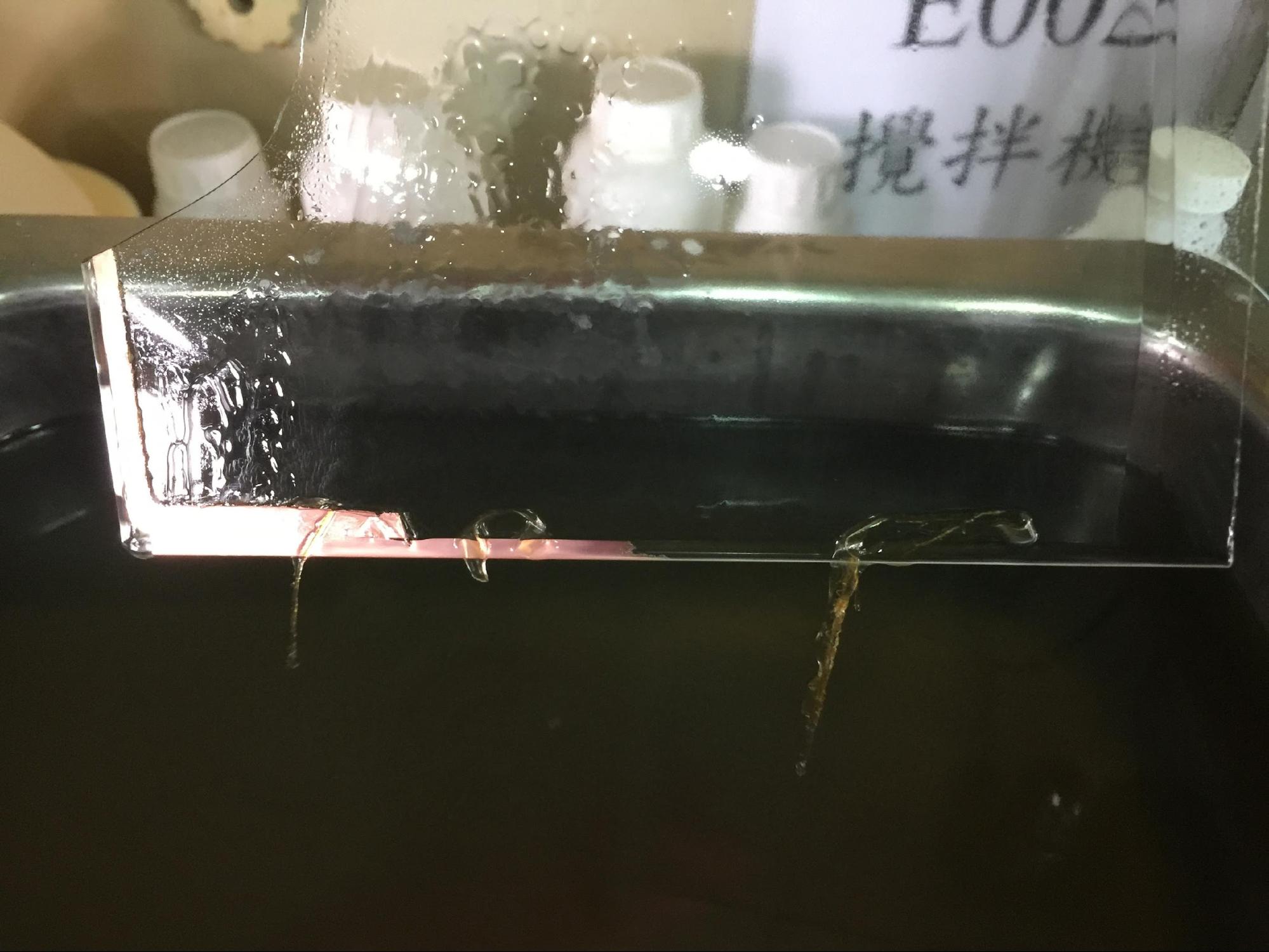
At 70°C, after continuous soaking for 60 minutes in the dust cleaning agent PTC13. It was found that the PI tape not covered by the metal (copper/titanium) layer had swelled and fell off.
-
But after continuing to soak for 5 hours. It was found that the PI tape masked by the metal (copper/titanium) layer was still attached to the glass substrate.
It was found that the metal (copper/titanium) layer is sufficient to completely isolate the PTC13 agent from invading the PI tape. Therefore, it is recommended to tear off the metal layer first, or corrode the copper/titanium metal with acid such as sulfuric acid, and then soak the PTC13 to remove the release layer and PI tape, which will be more efficient.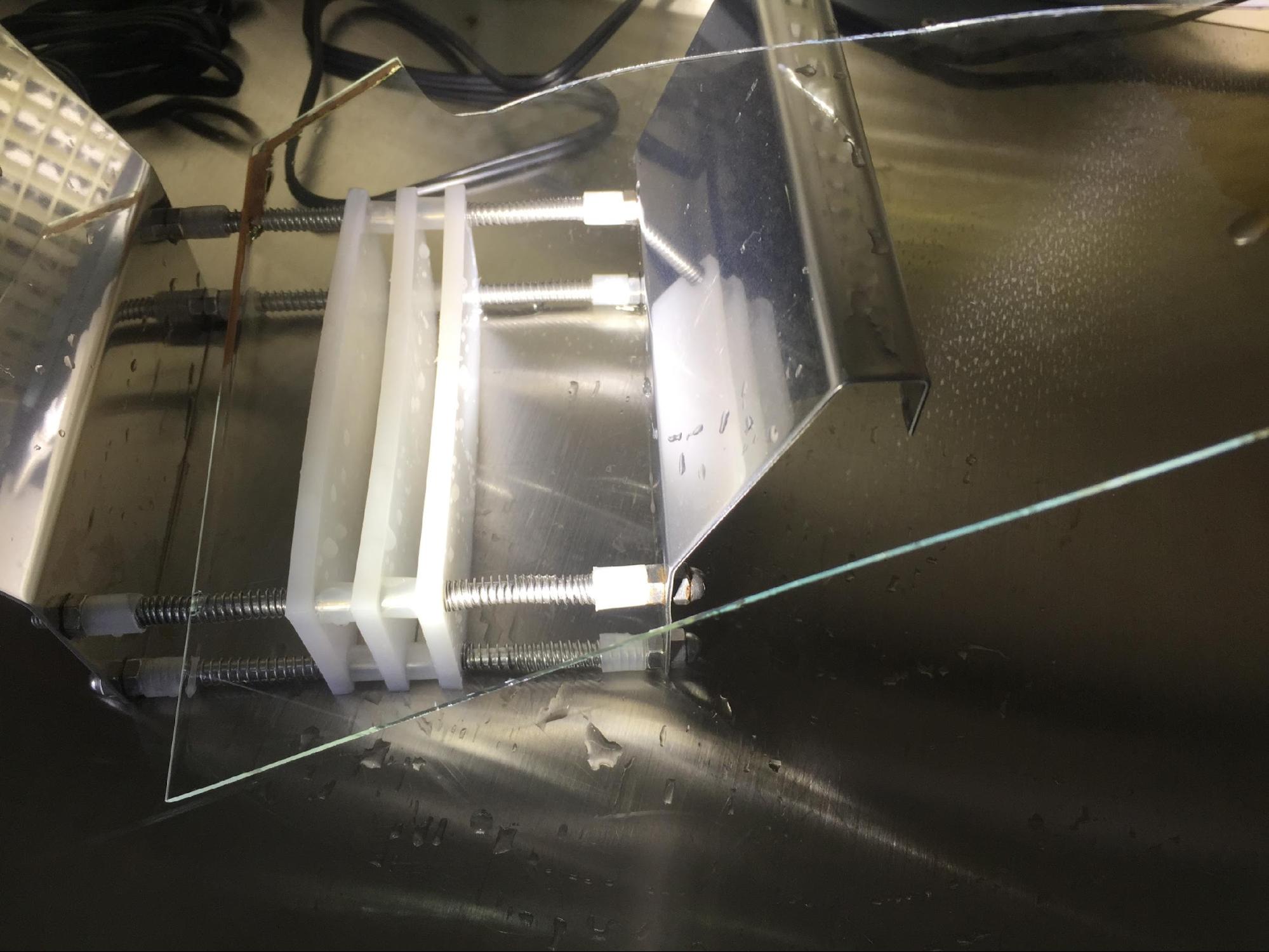
-
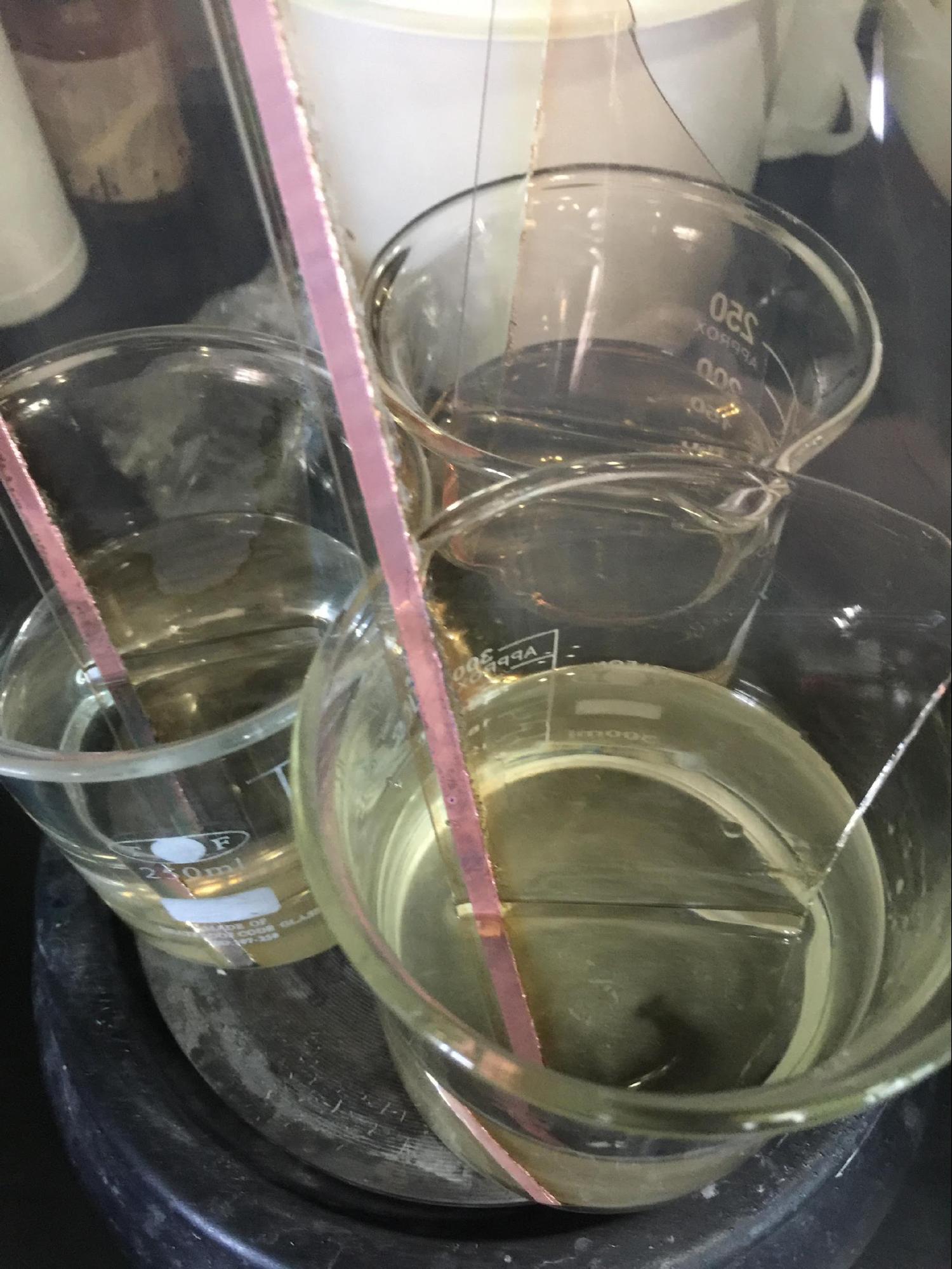
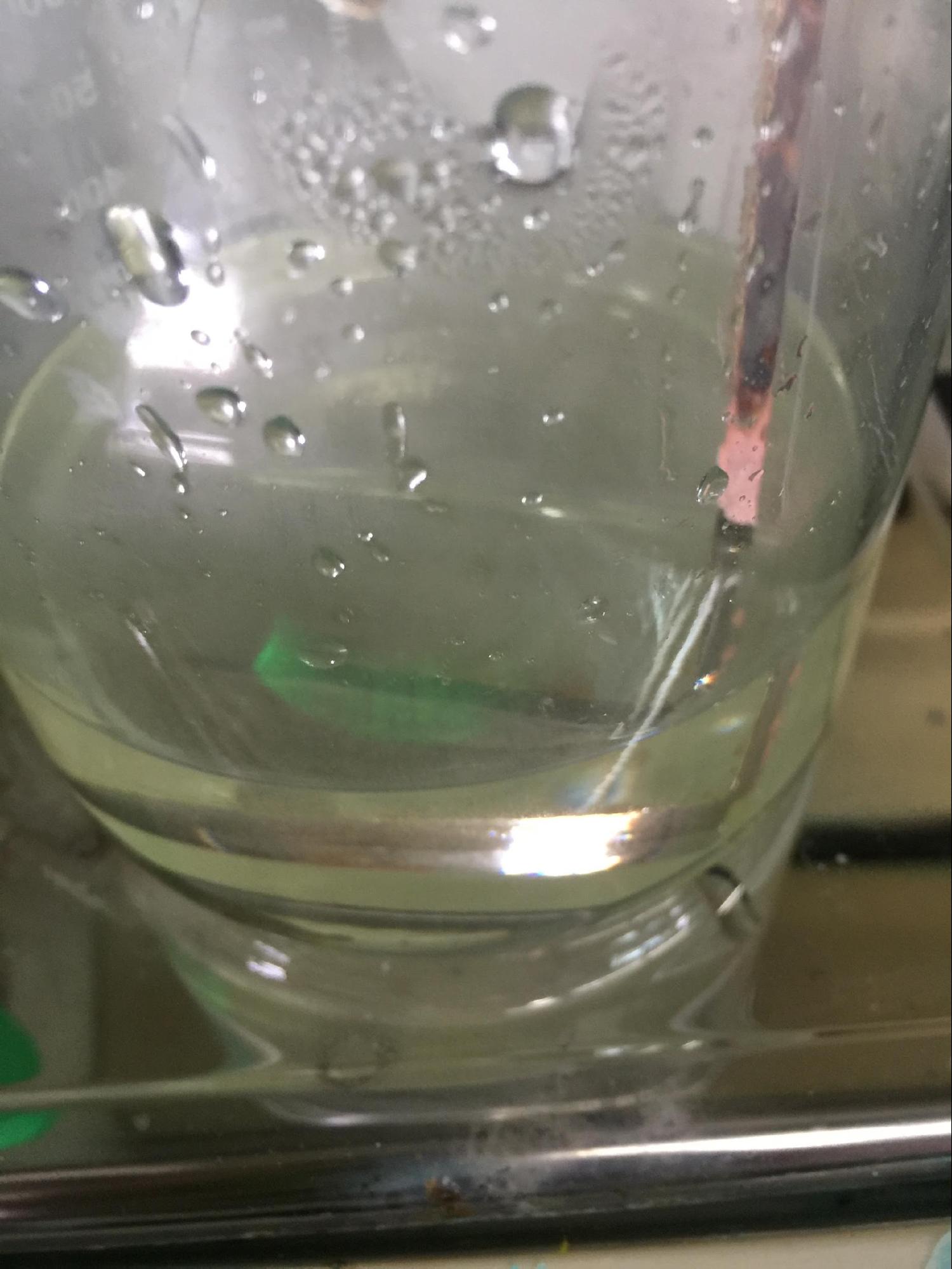
Take another broken glass substrate. Etch the copper foil on the surface with copper etchant (90°C, 1 minute. Or room temperature, 10~30 minutes). Take it out and rinse it with clean water.
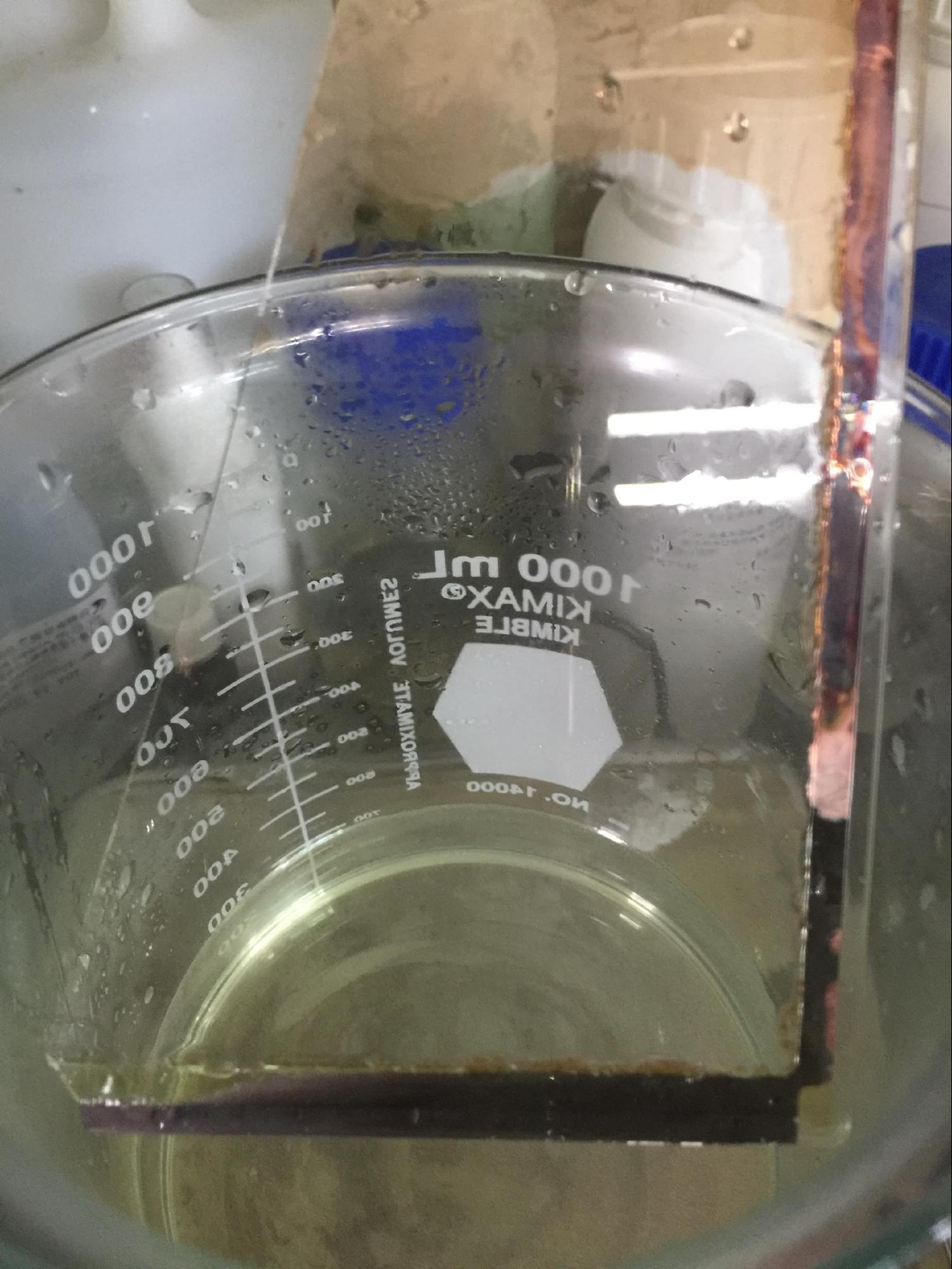
-
After soaking for 10 minutes in the dust cleaning agent PTC13 at 70°C. It was found that the PI tape covered by the remaining metal (titanium) layer had swollen and started to fall off.
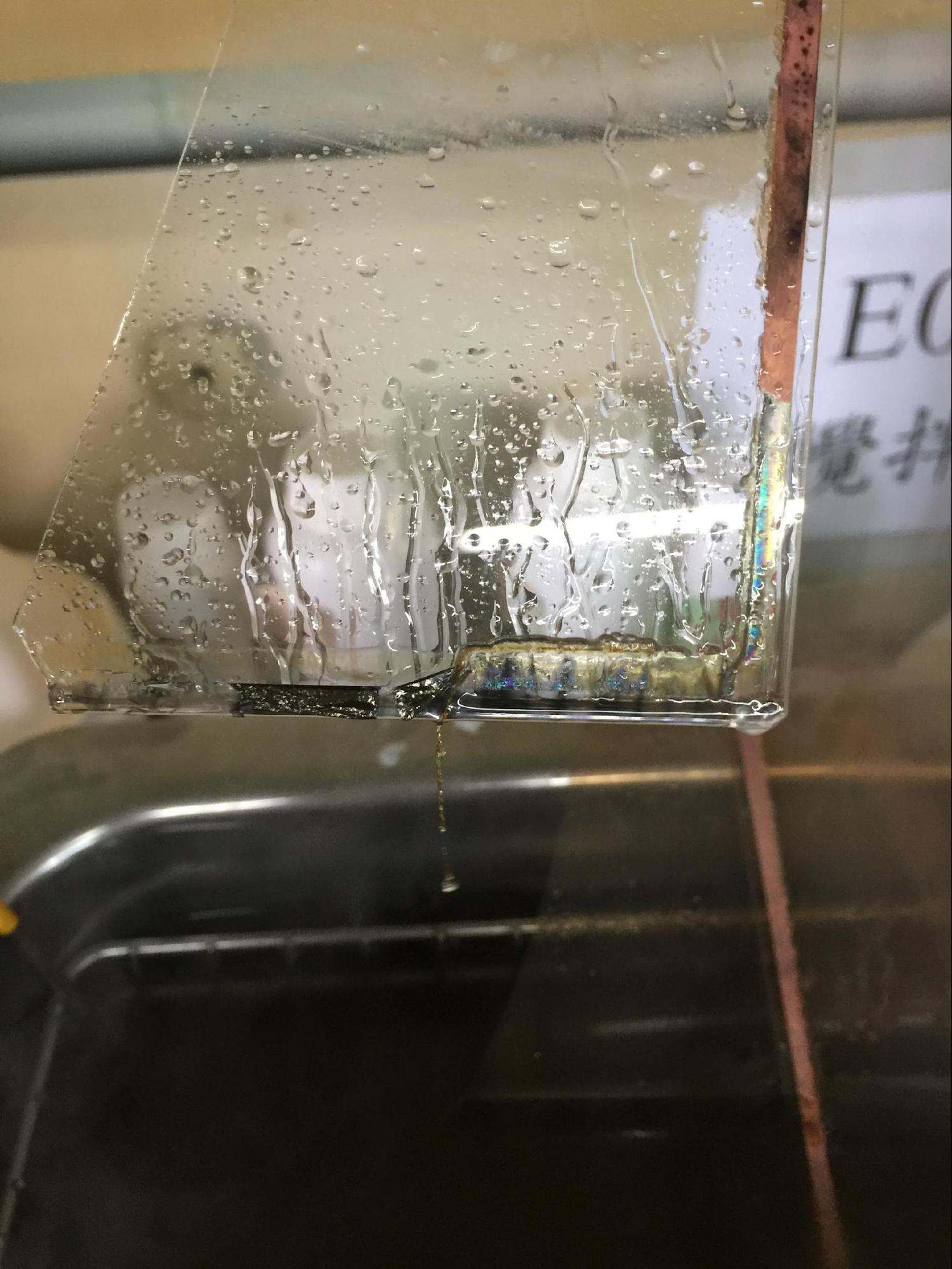
-
At 70°C, after continuous immersion in the dust cleaning agent PTC13 for 1 hour. It was found that the metal layer had been removed. However, the PI tape that was originally covered by the metal (titanium) layer has not completely fallen off.
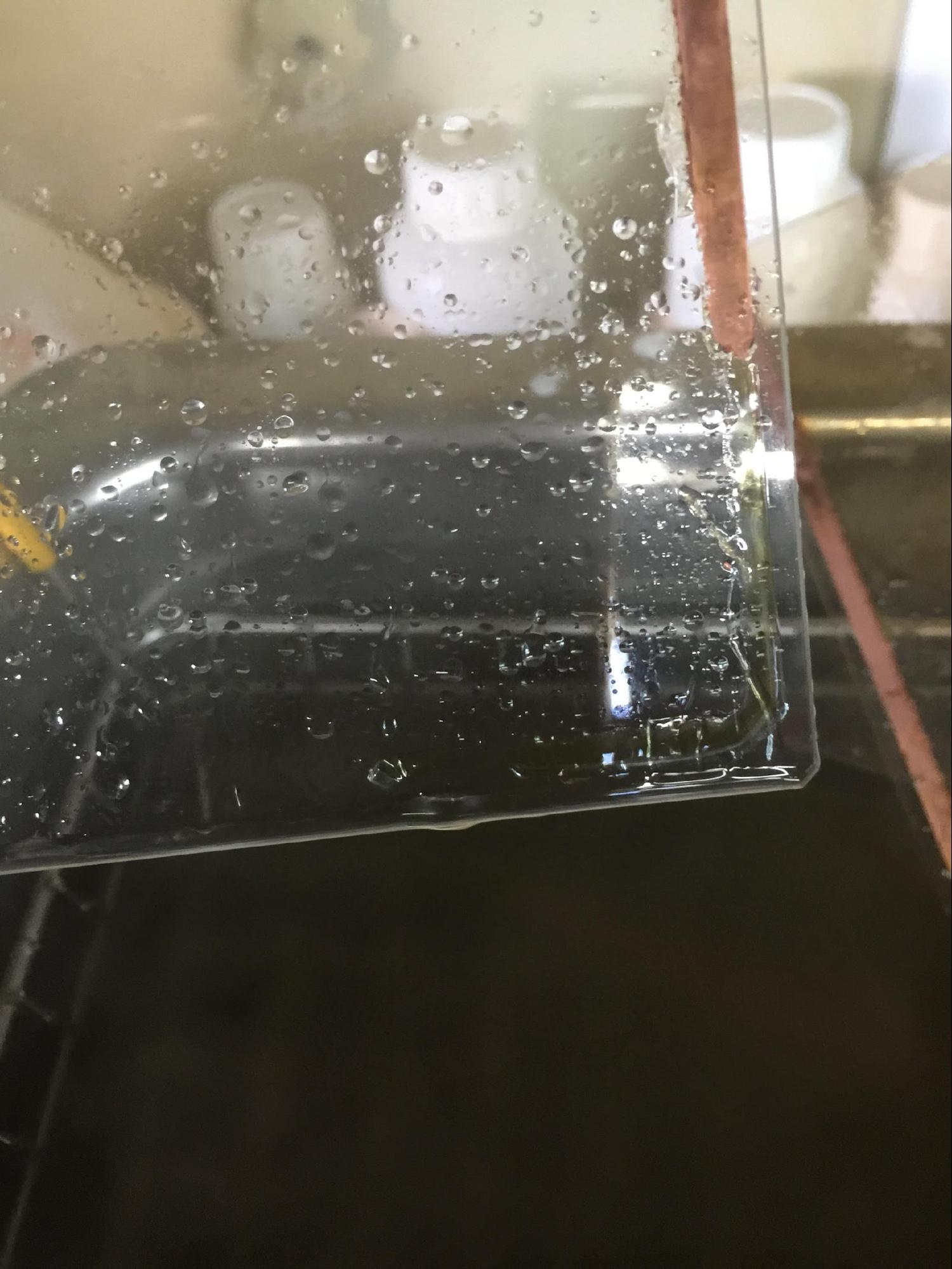
-
At 70°C, after continuous immersion in the dust cleaning agent PTC13 for 4 hours. It was found that the PI tape had been removed.
Take it out, rinse it with pure water, and place it in a clean room to dry in the shade.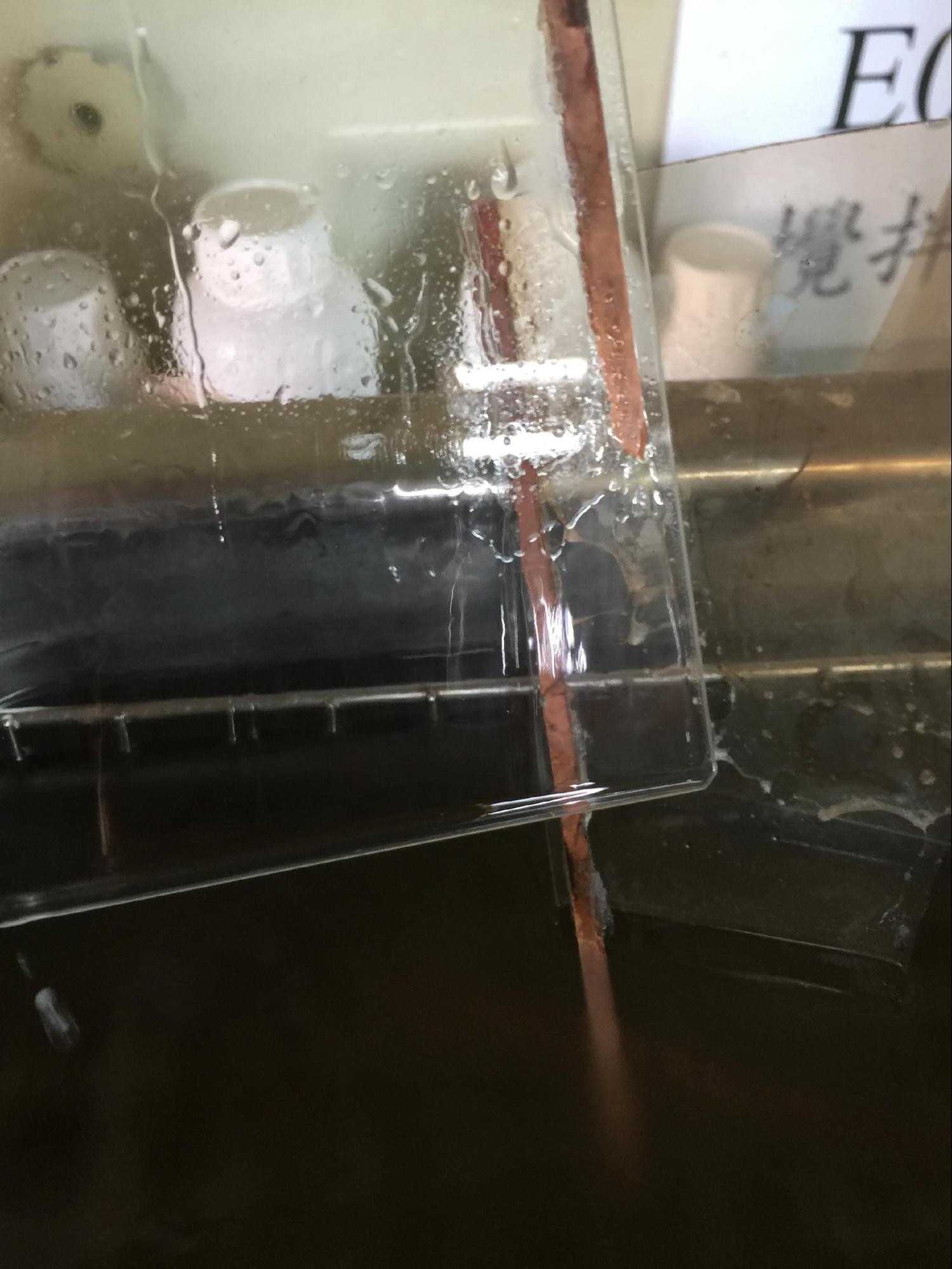
-
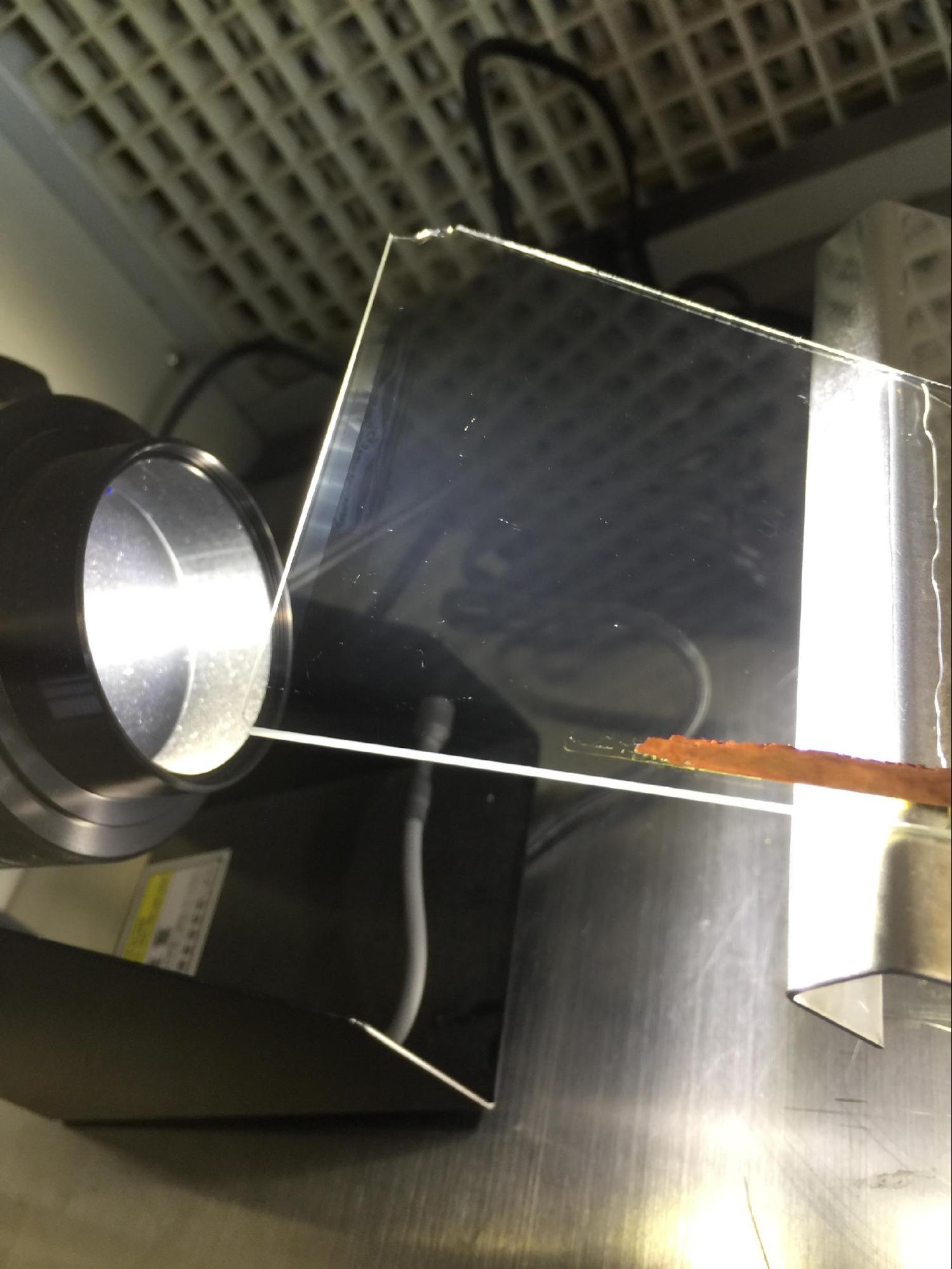
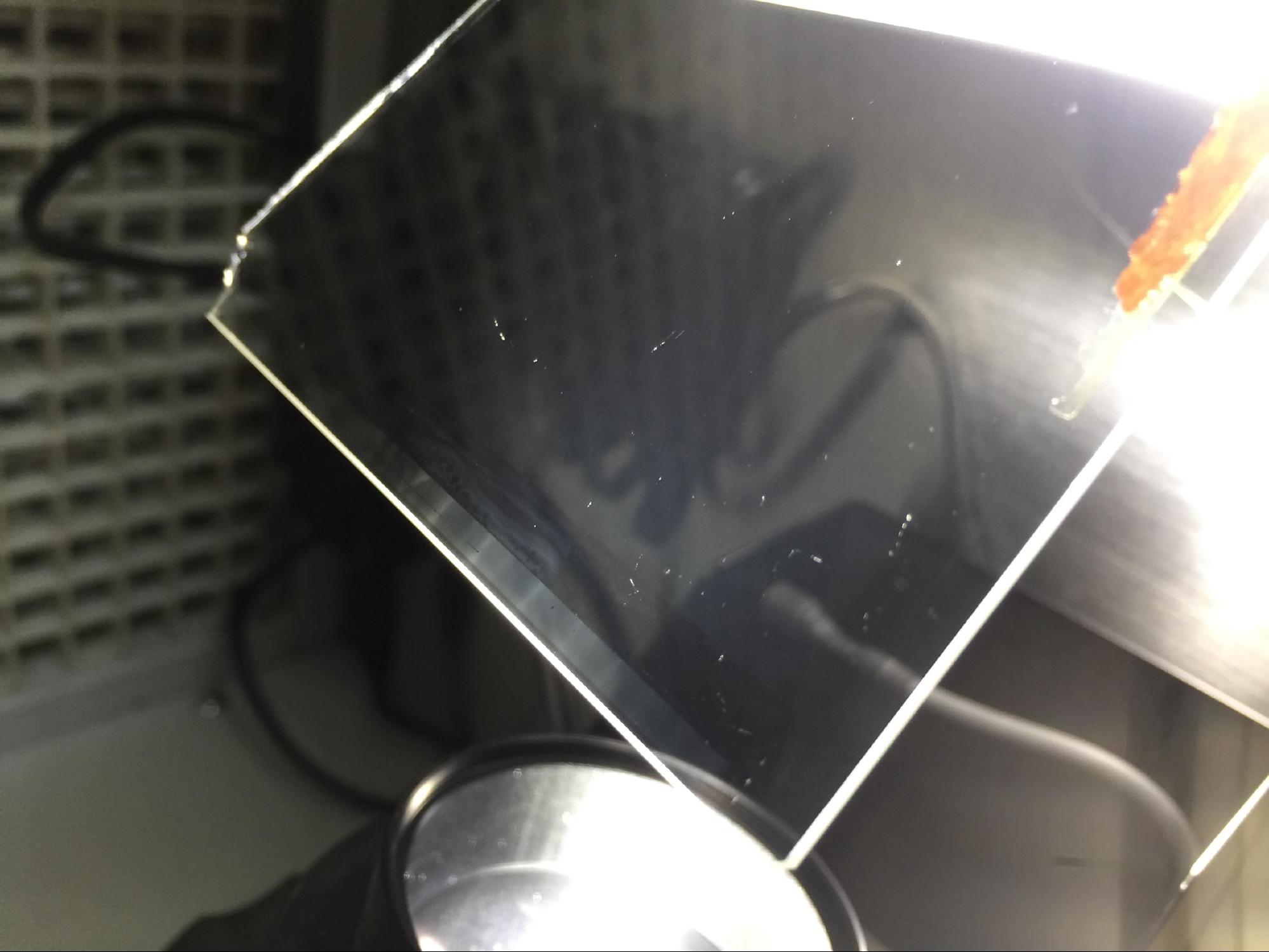
It is found that the copper foil is removed by copper etchant, and then heated and soaked by PTC13 for 4 hours, most of the PI residue on the glass substrate can be removed. But the place where the PI tape was originally pasted can still be seen under the strong light. (The rest of the white spots are scratches on the broken glass, the particles have all been removed.)
-
Test other potions:
Using hardened ink remover ACHM04-L, synthetic adhesive remover SynGC04, and peelable adhesive remover AHLR03-GU, the release layer and PI tape cannot be removed regardless of heating or soaking for 48 hours.