• Micro dust cleaner

Micro dust cleaner

Model : PTC18

Xiwei TMPTC18 dust cleaning agent is applied to remove the residual coating of quartz ring test report

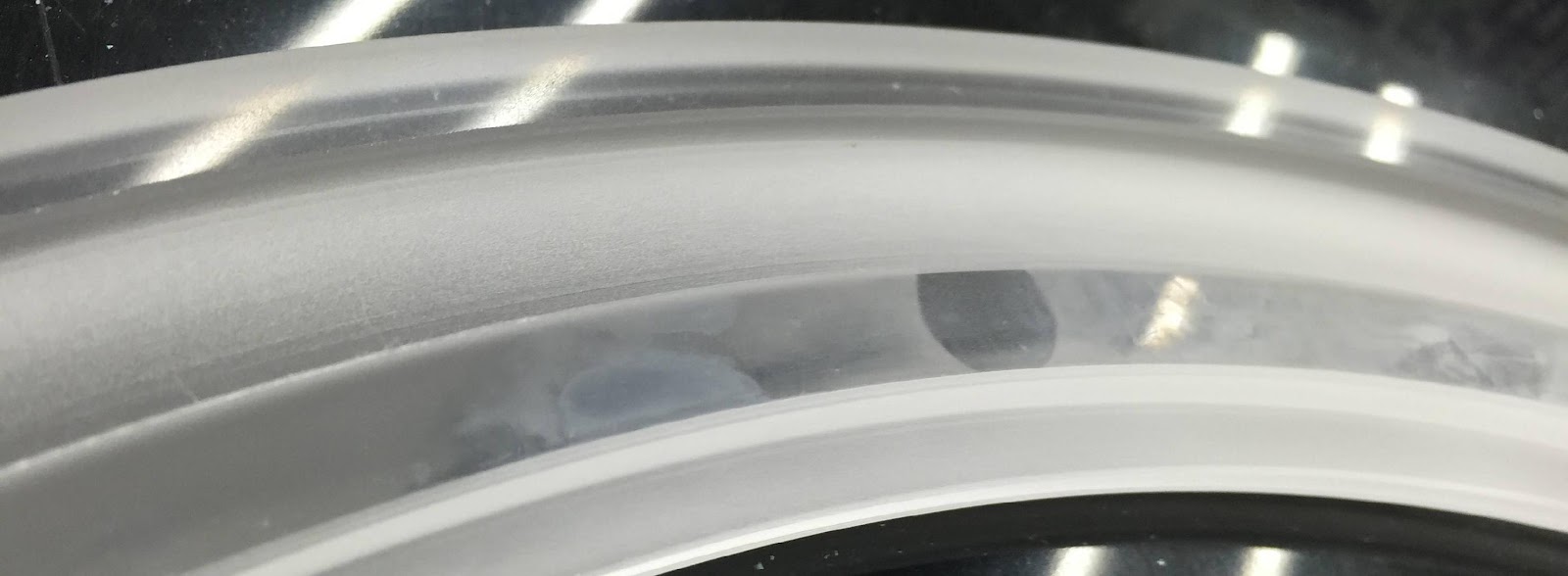
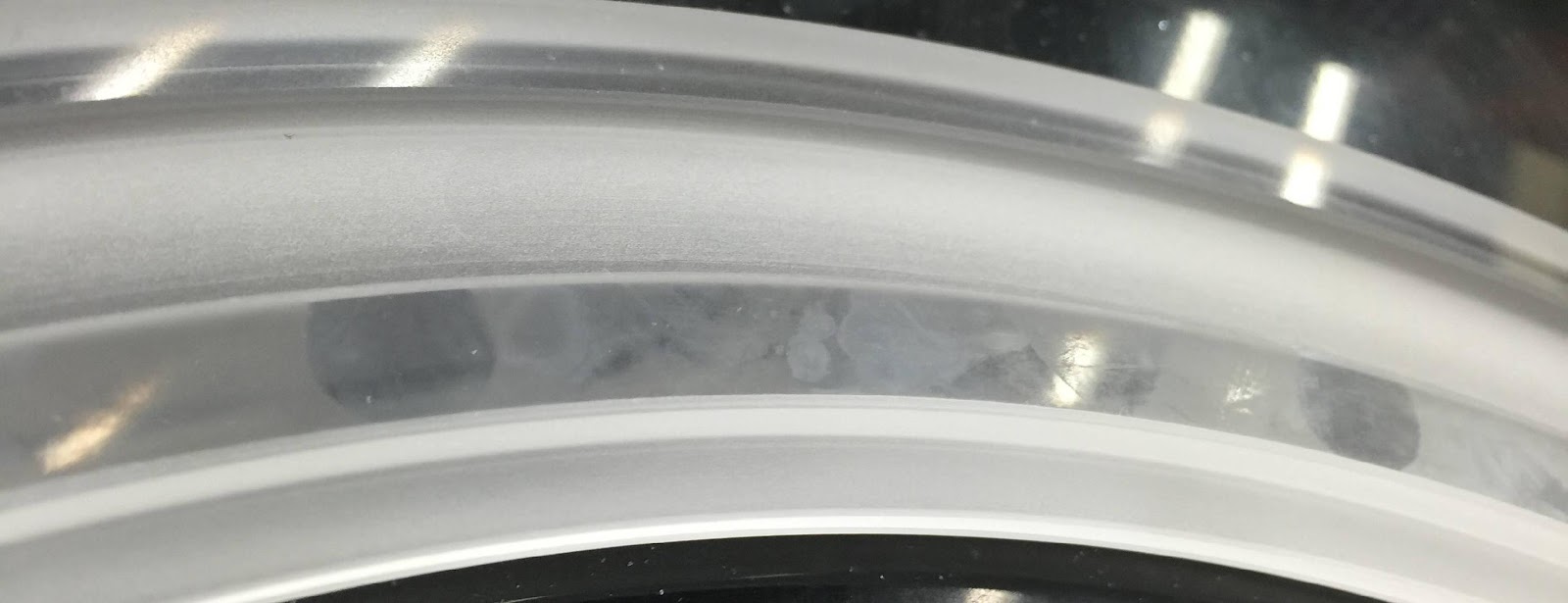
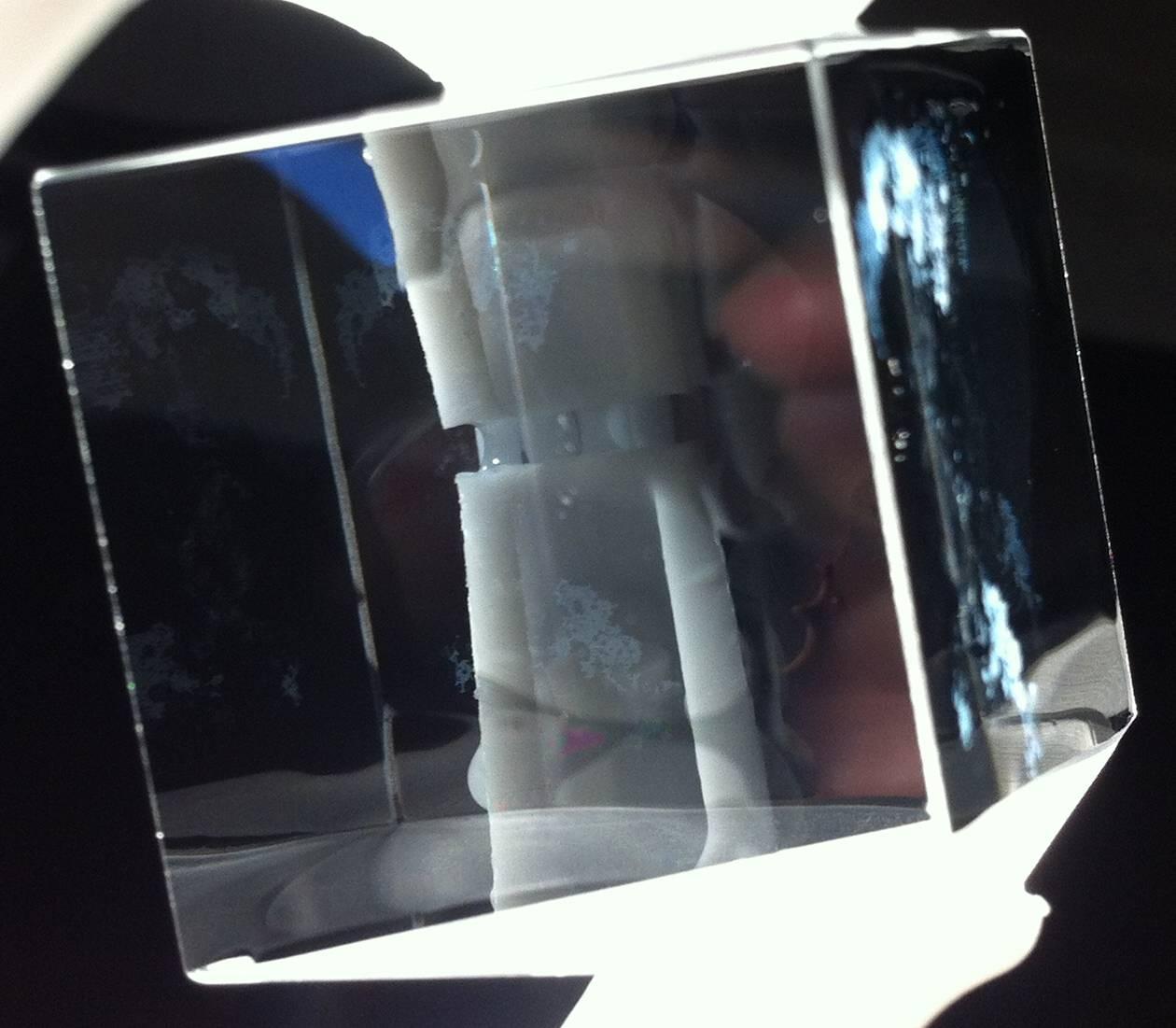
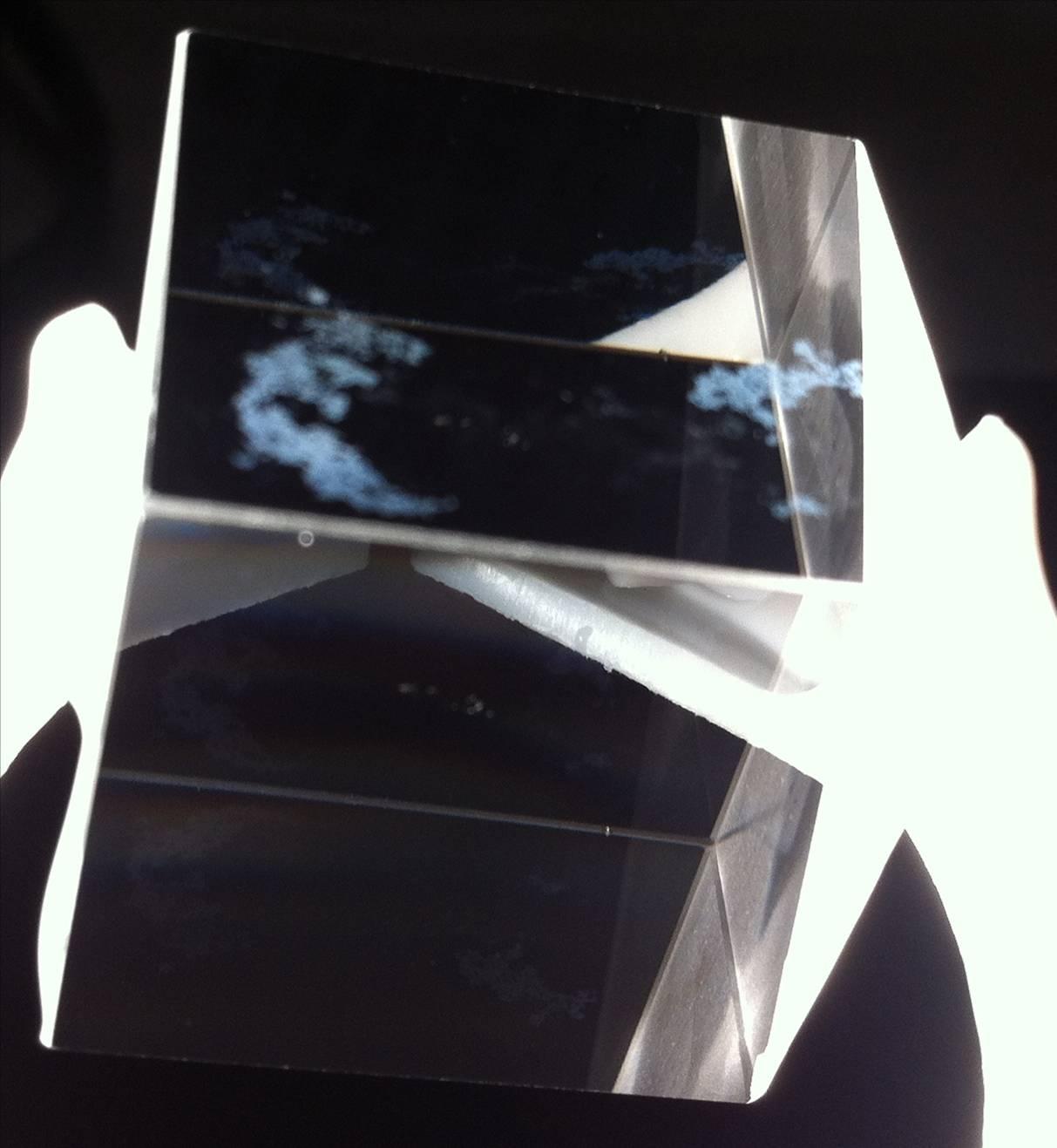
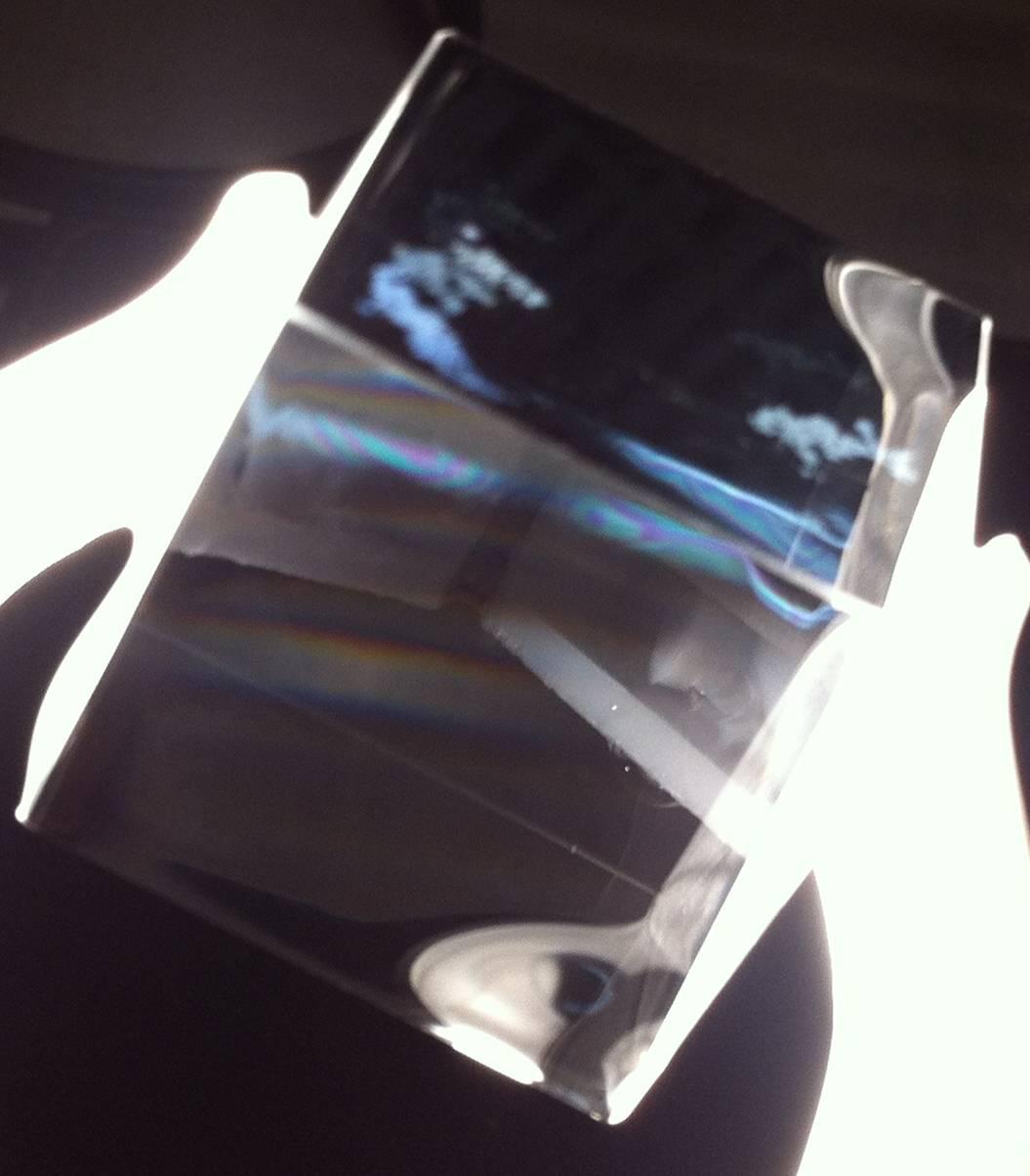
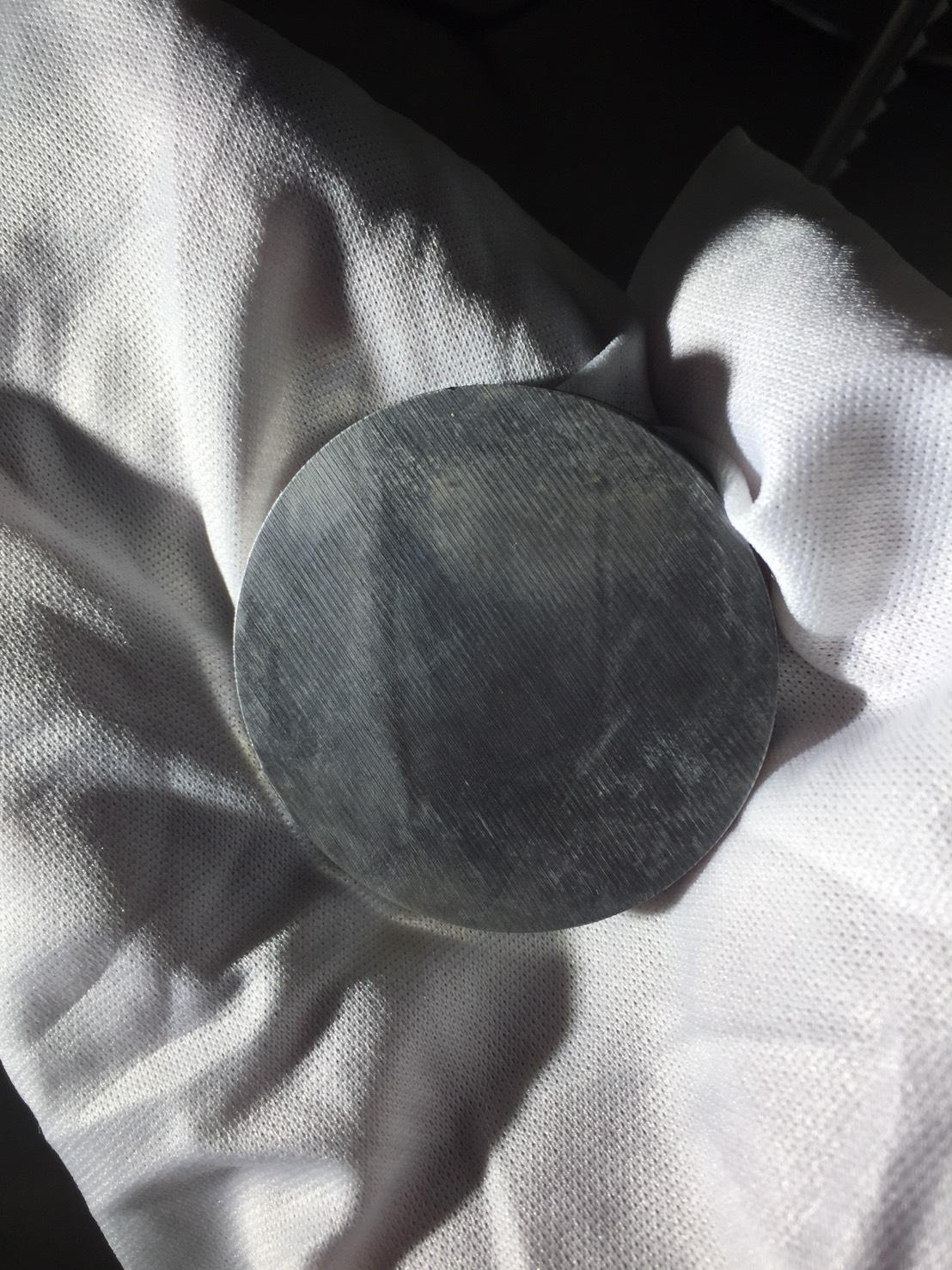
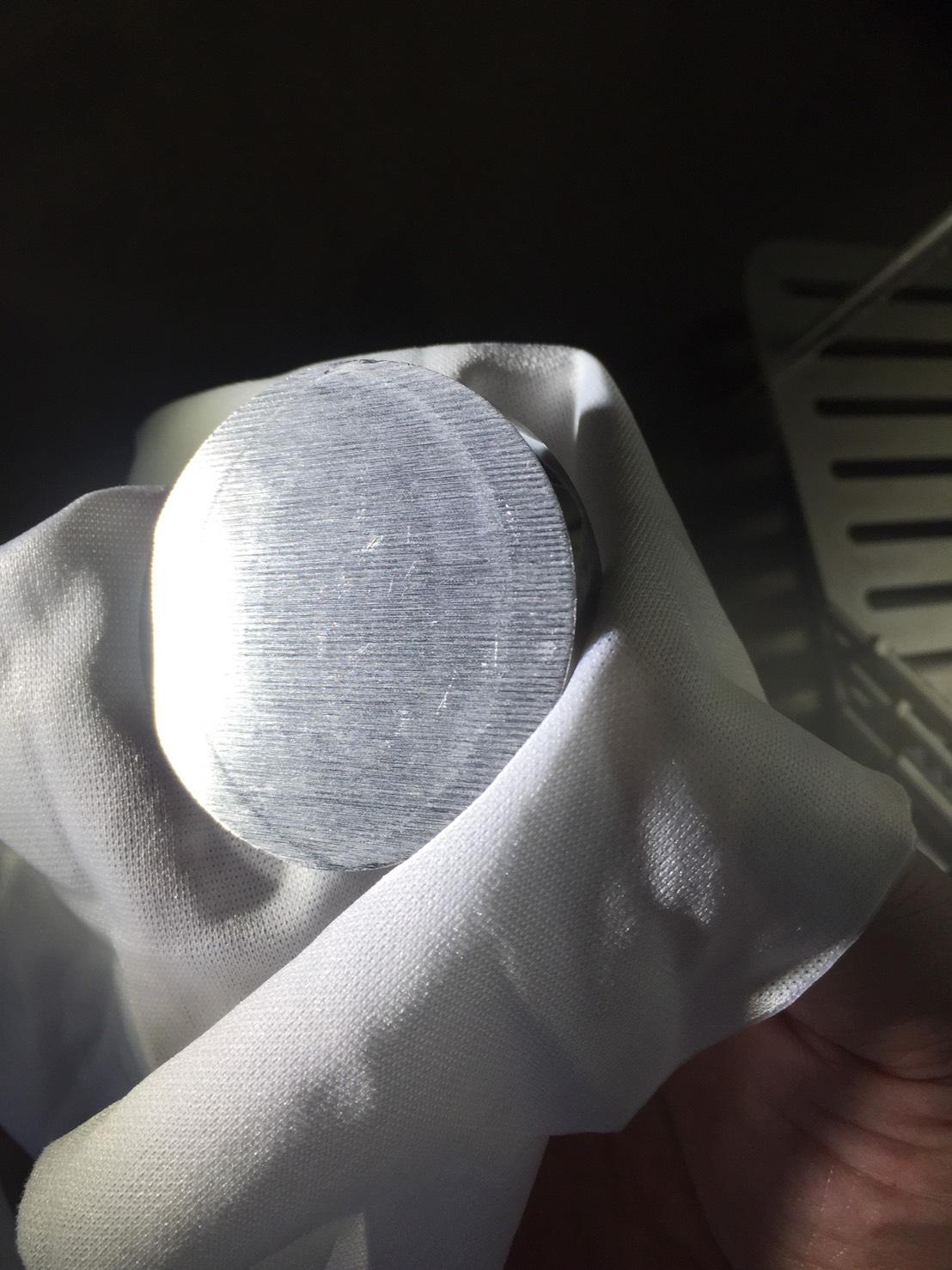
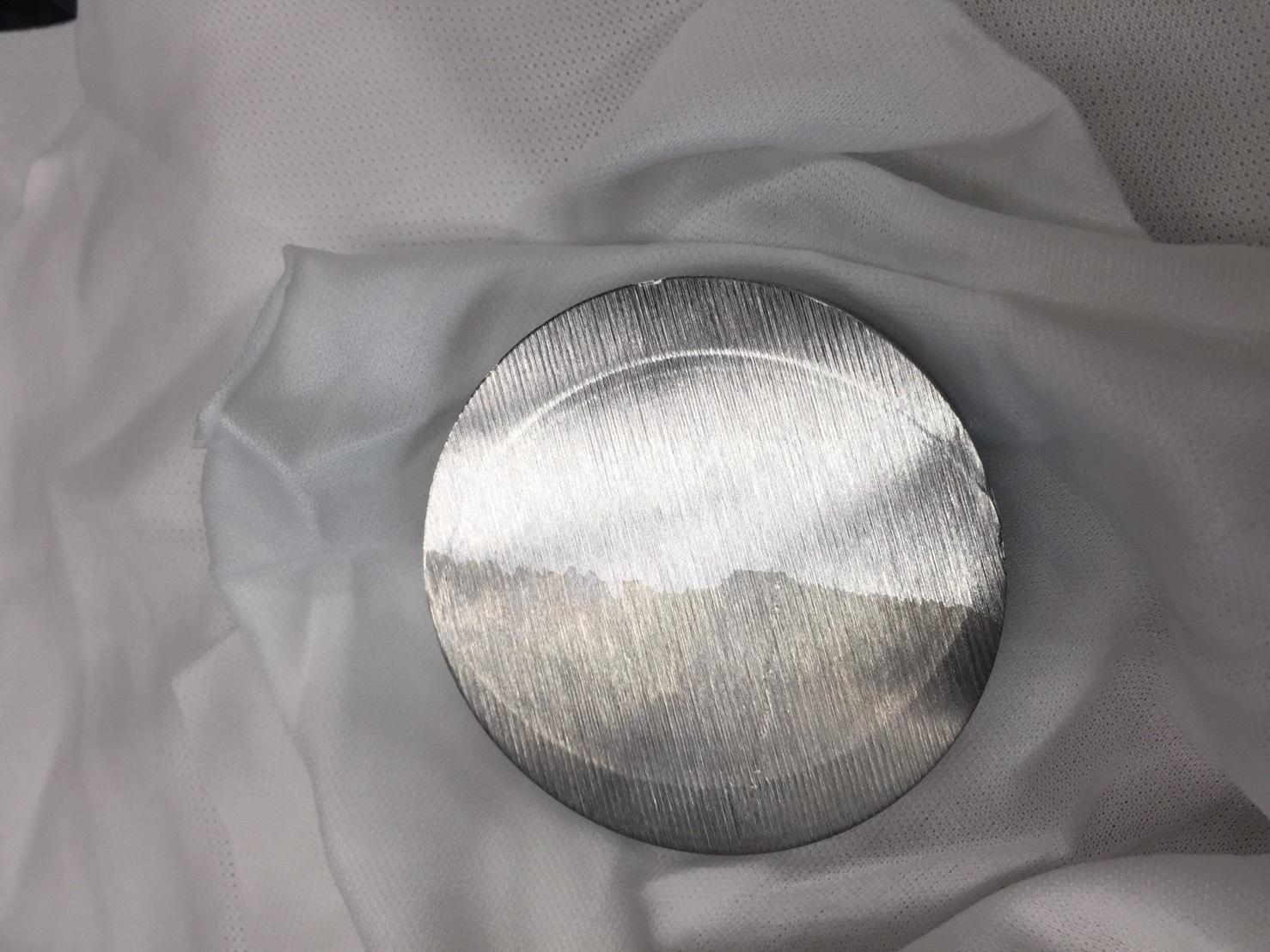
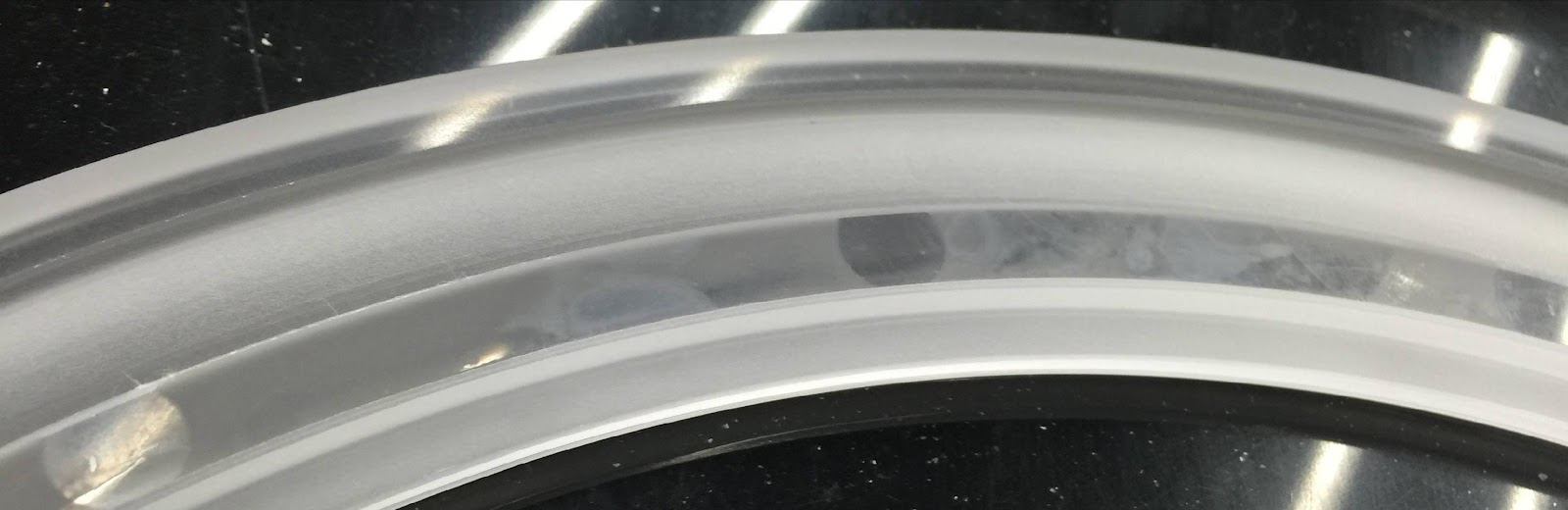
Workpiece description: The quartz ring of dry etching equipment needs to be cleaned before it can be used due to unclear fog residue. After the quartz ring was treated with strong acid, strong alkali, and various organic polymer removers, the white mist residue on the surface could not be effectively removed.
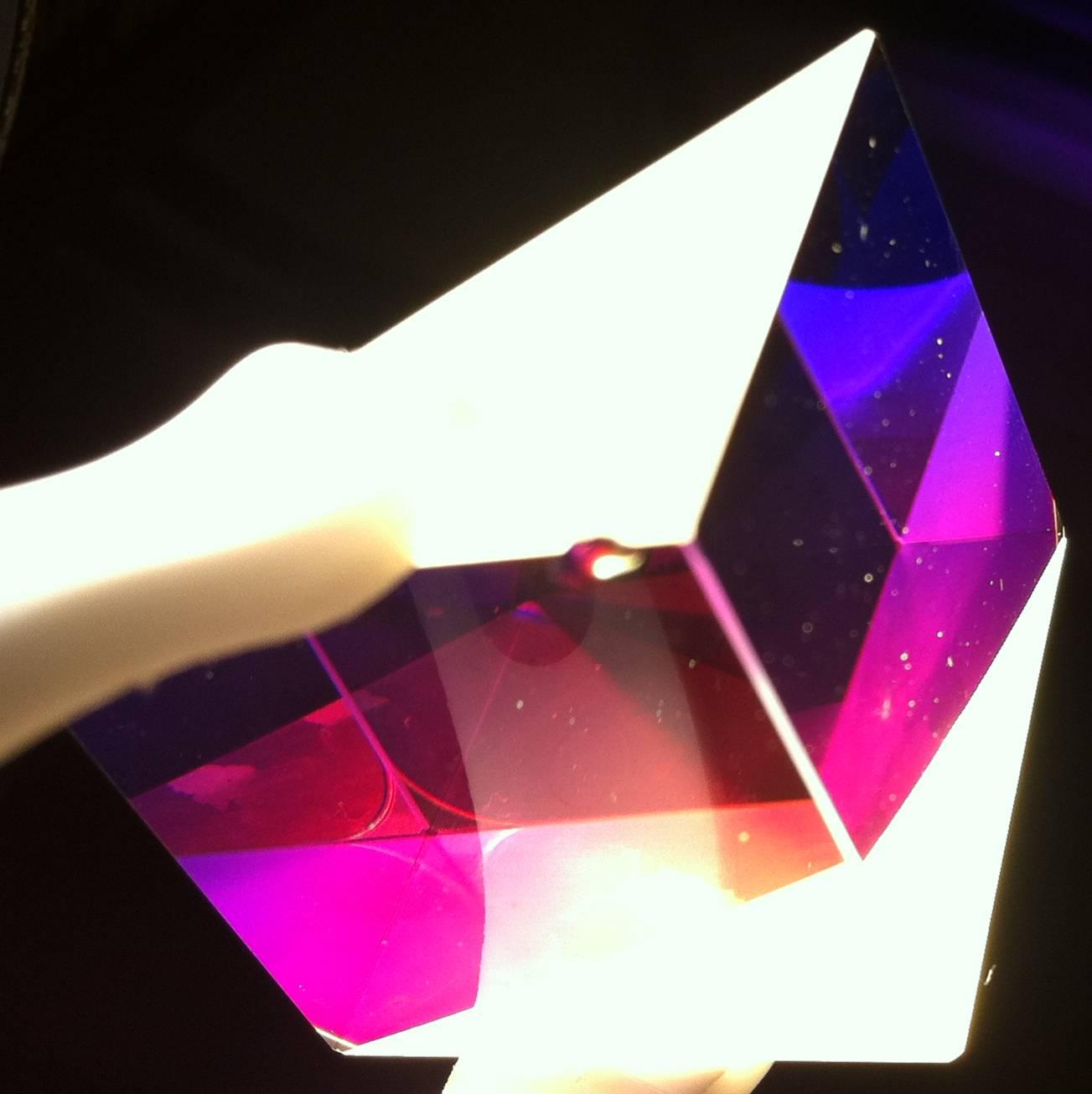
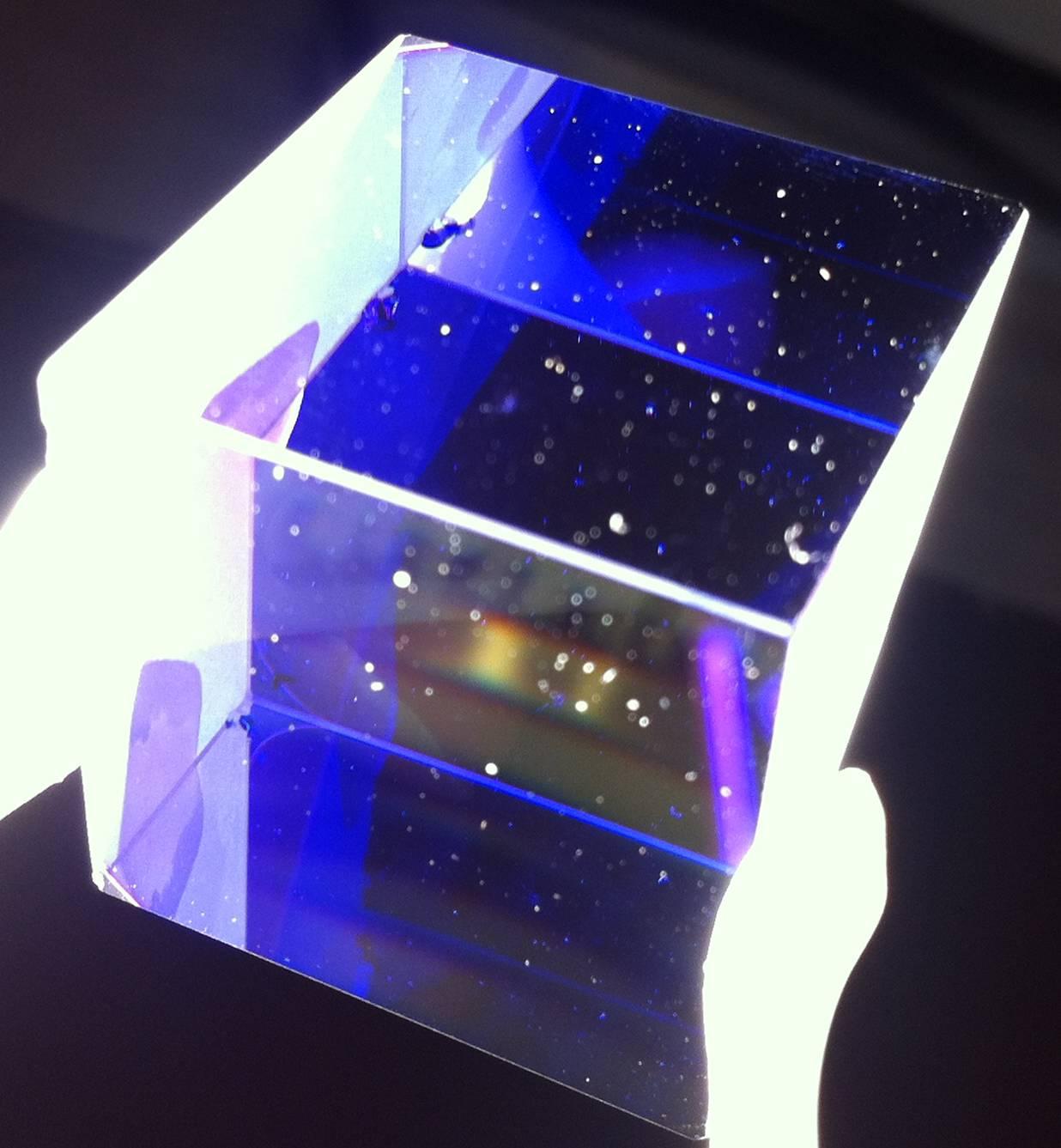
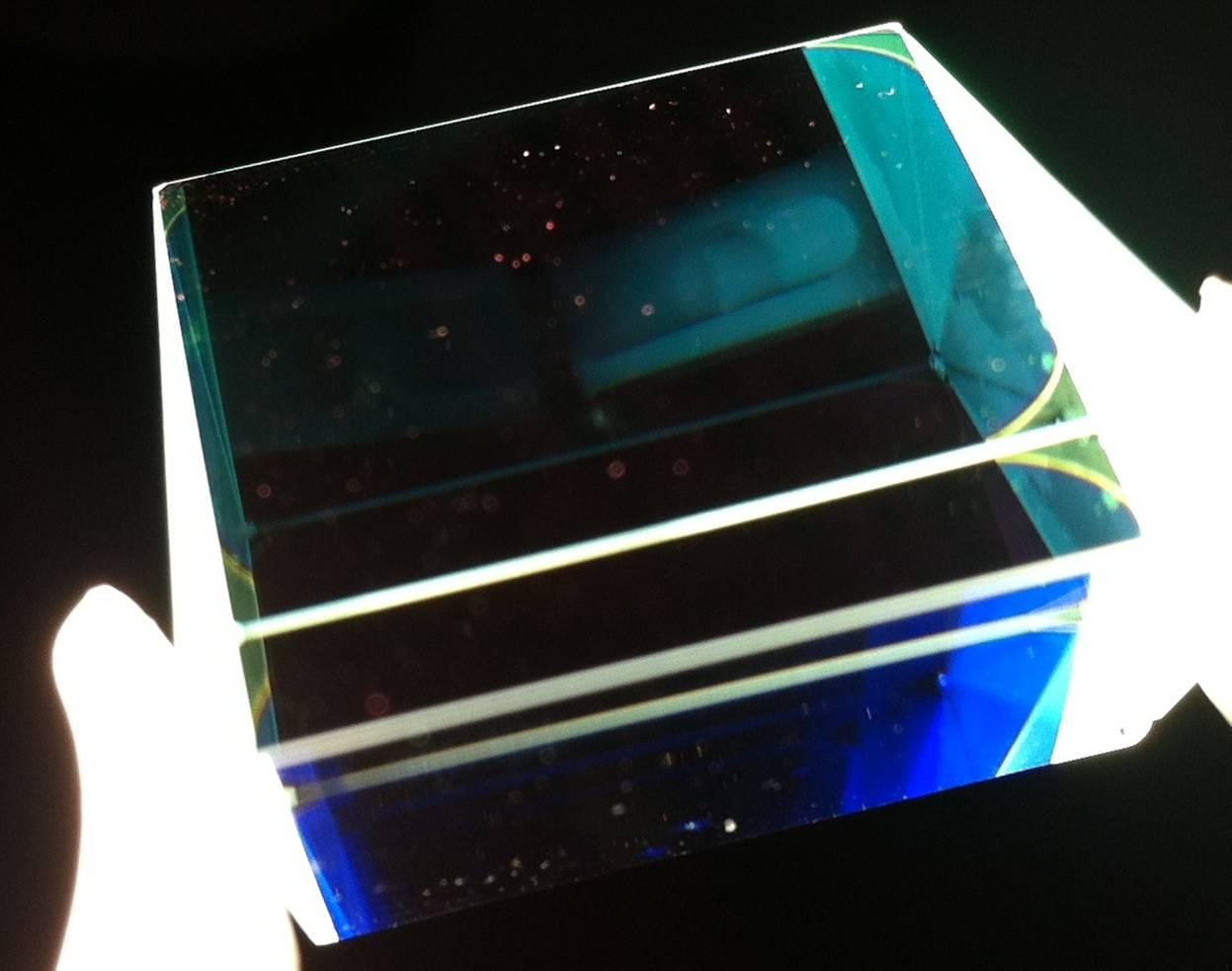
  1. Quartz ring appearance before cleaning.
    01.jpg

    02.jpg

    03.jpg

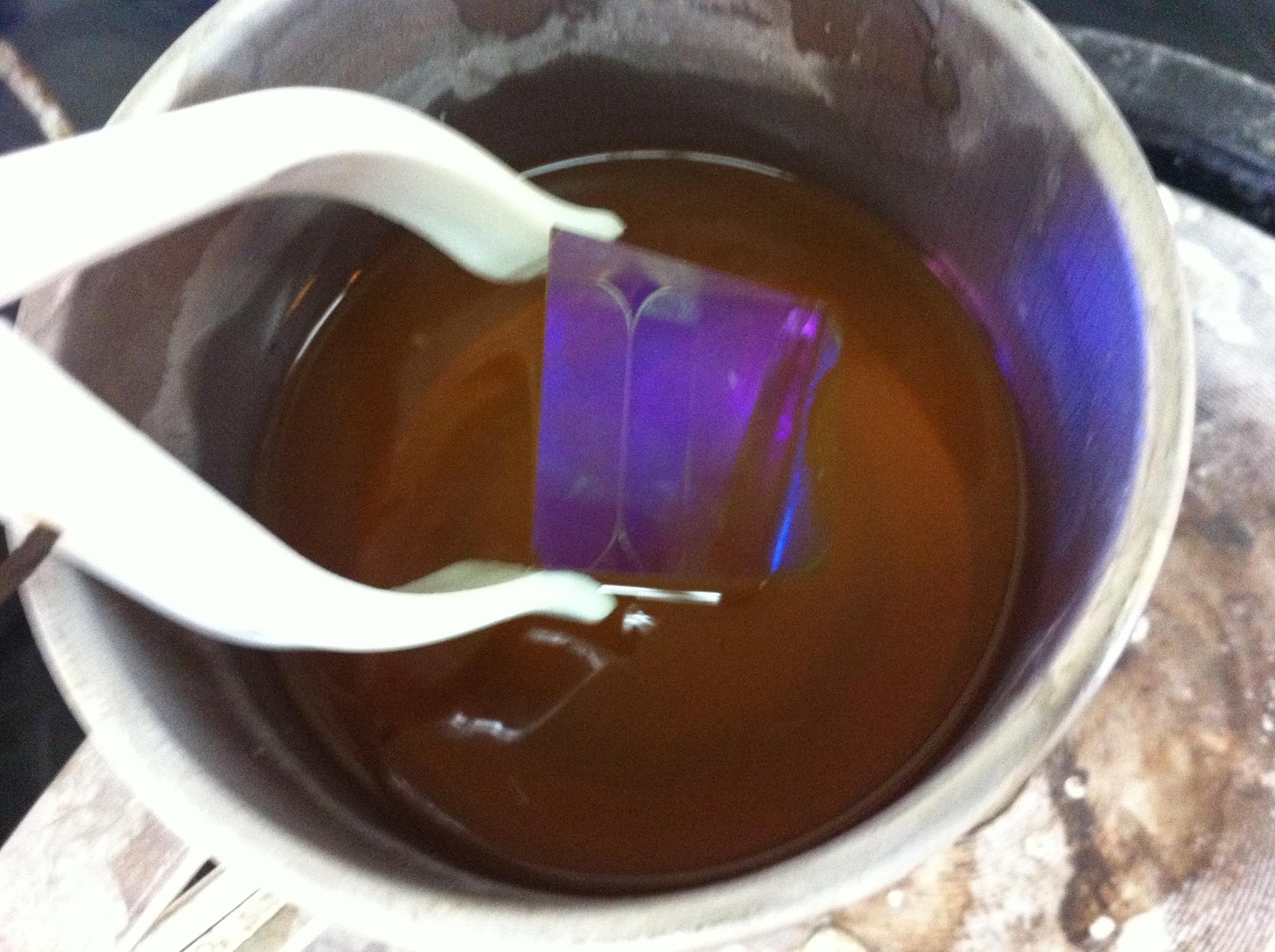
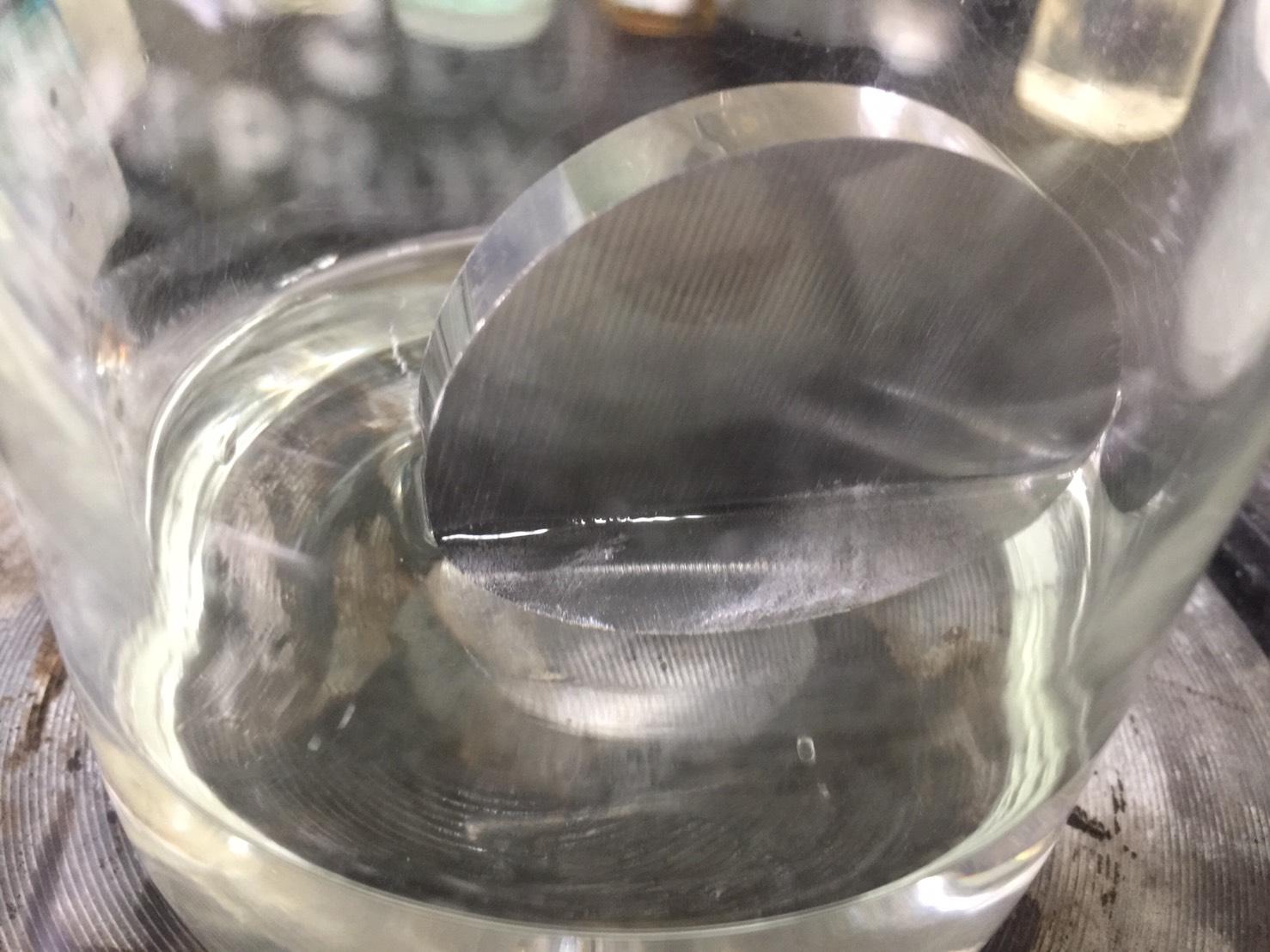
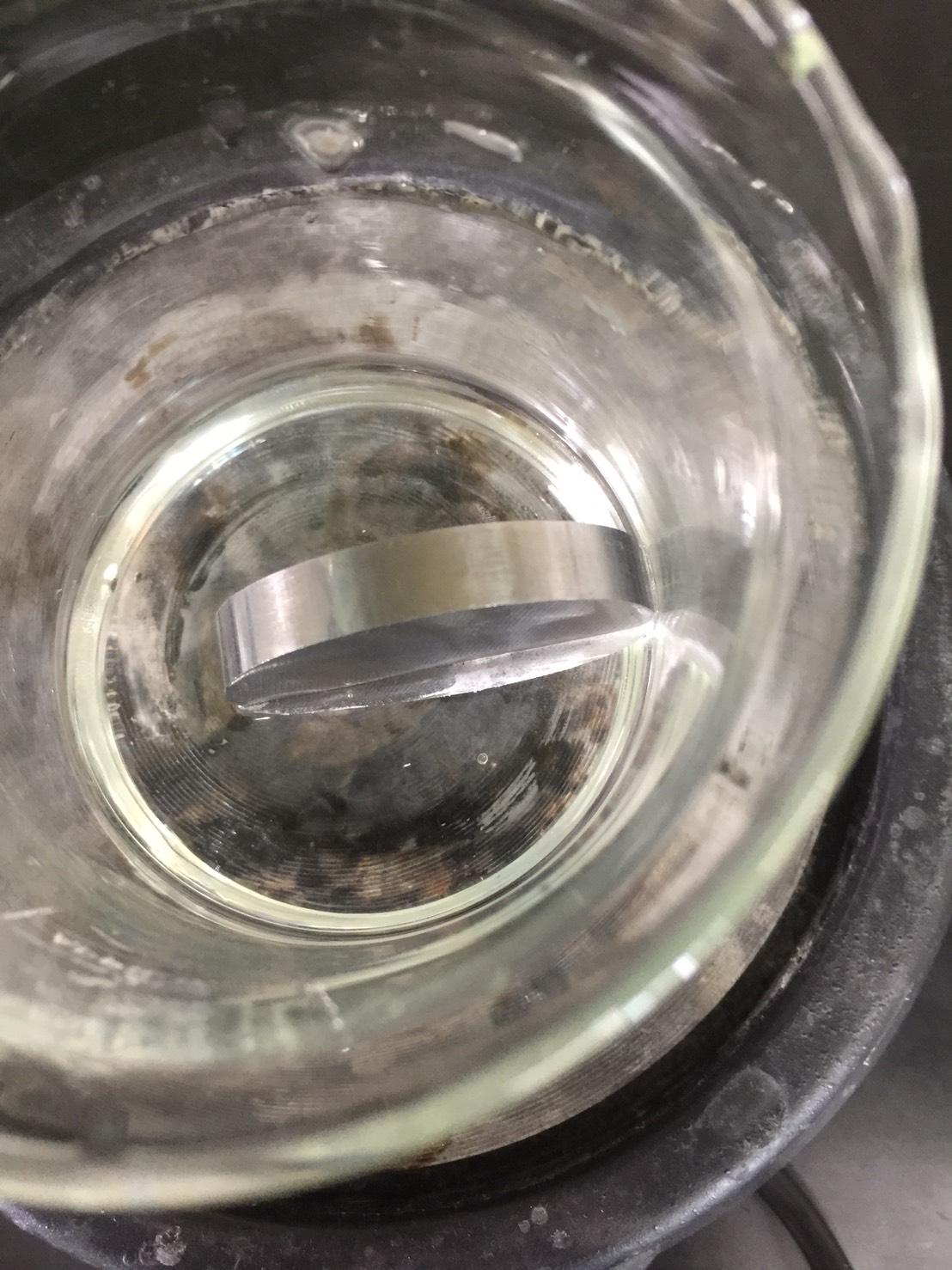
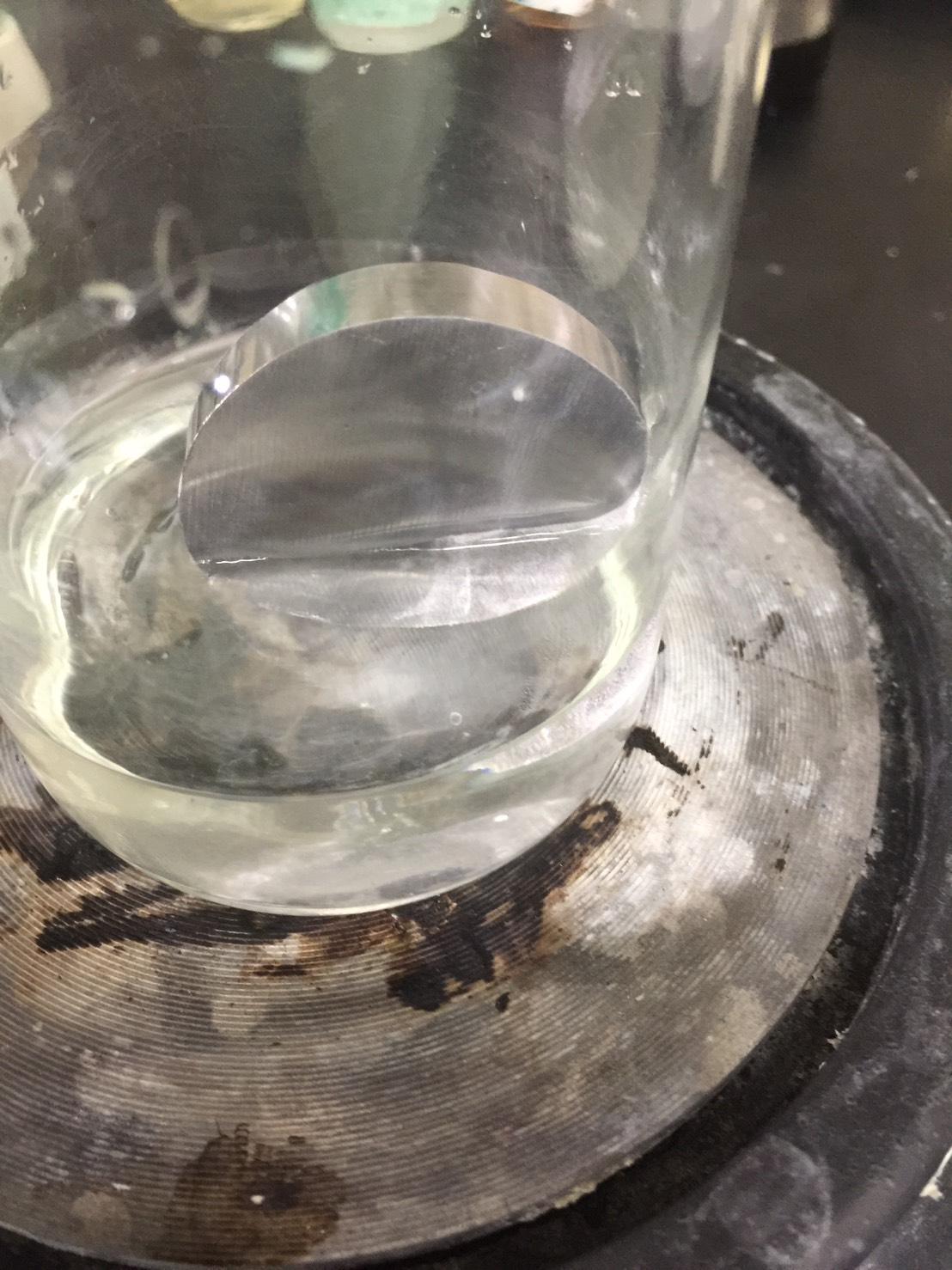
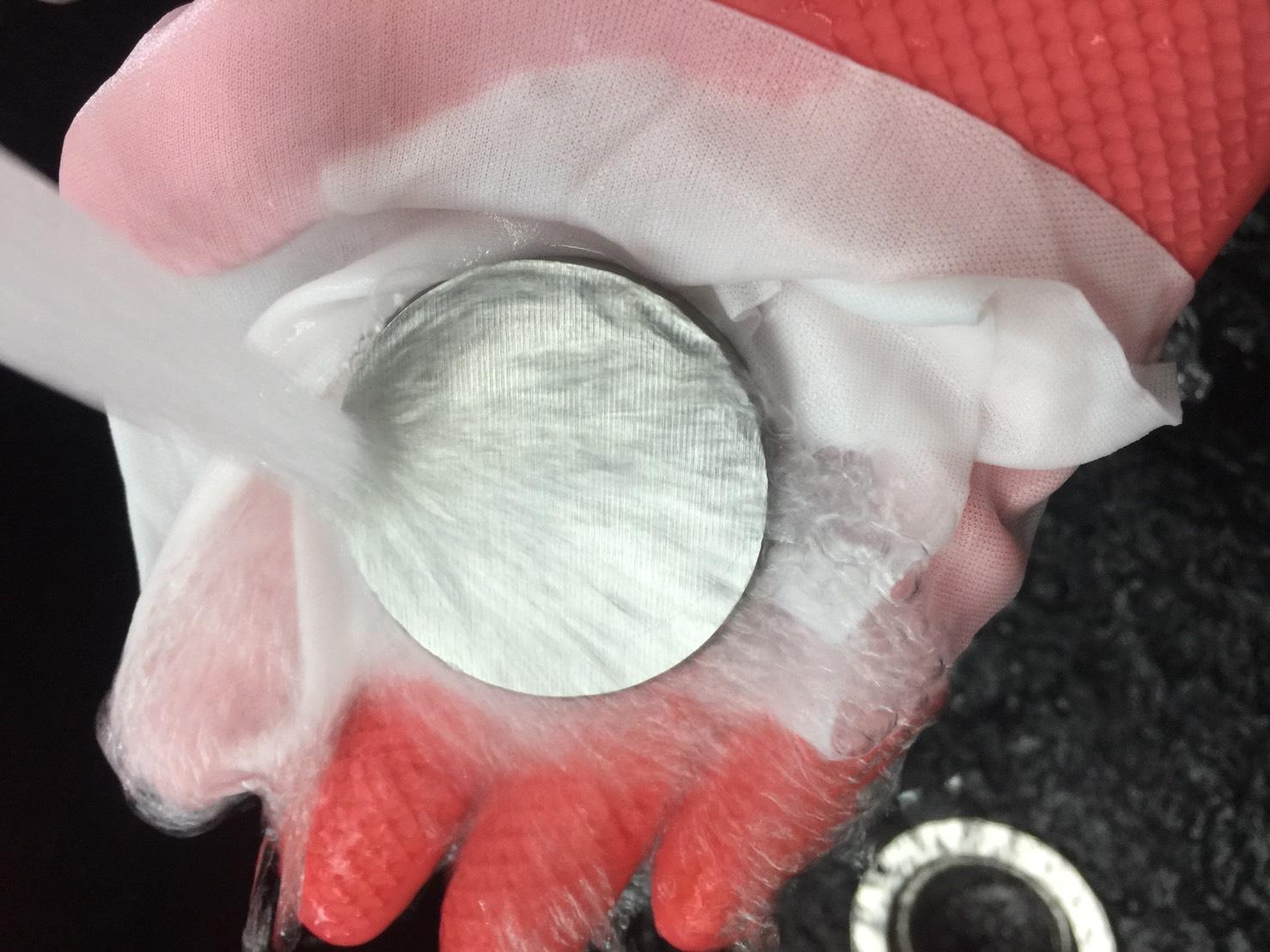
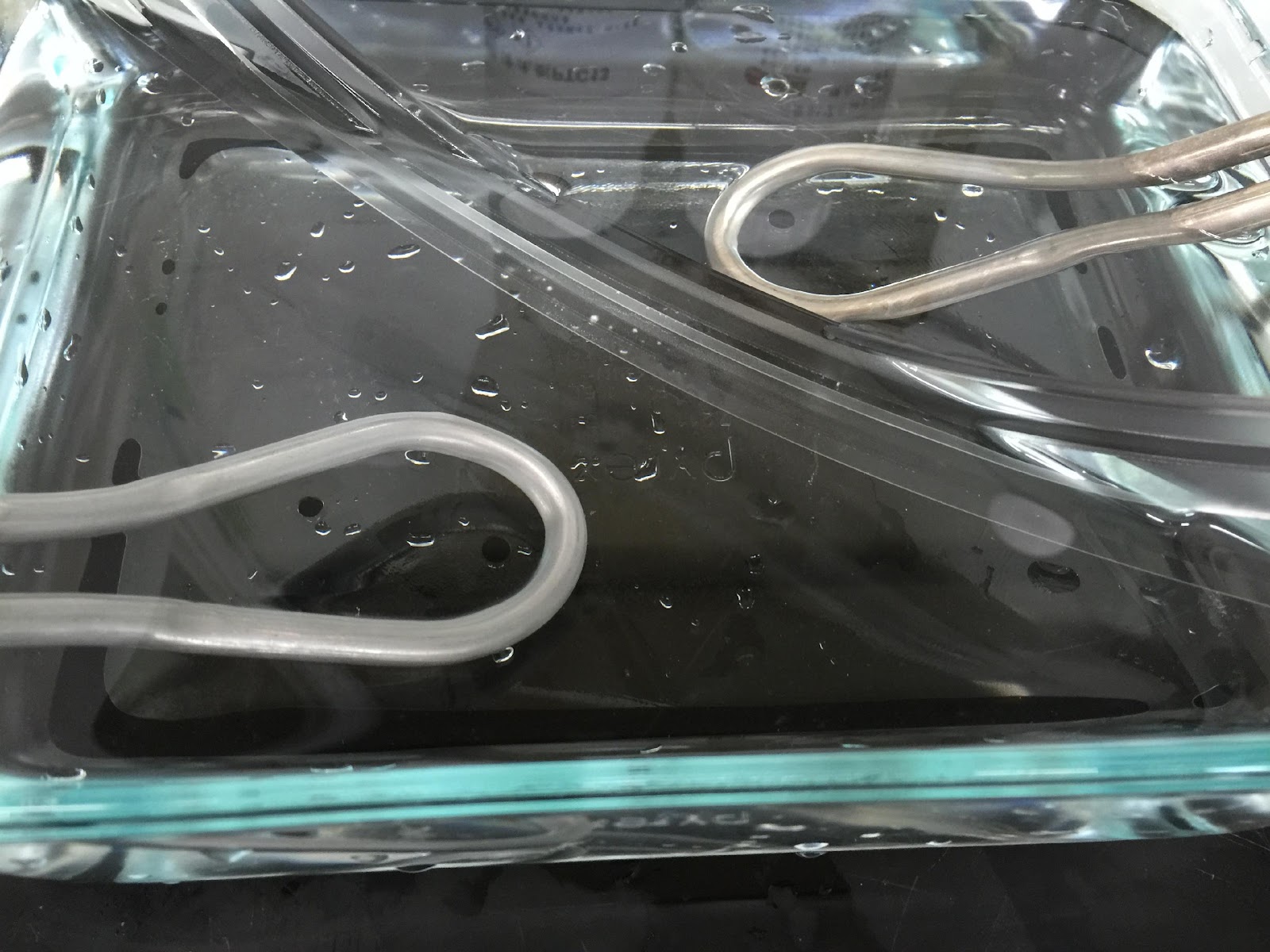
  2. With PTC18 cleaning agent, soak for 60 minutes at 120~140°C. Due to the large size of the quartz ring, only part of it can be soaked. After taking it out, wash it with hot water.
    04.jpg

    05.jpg

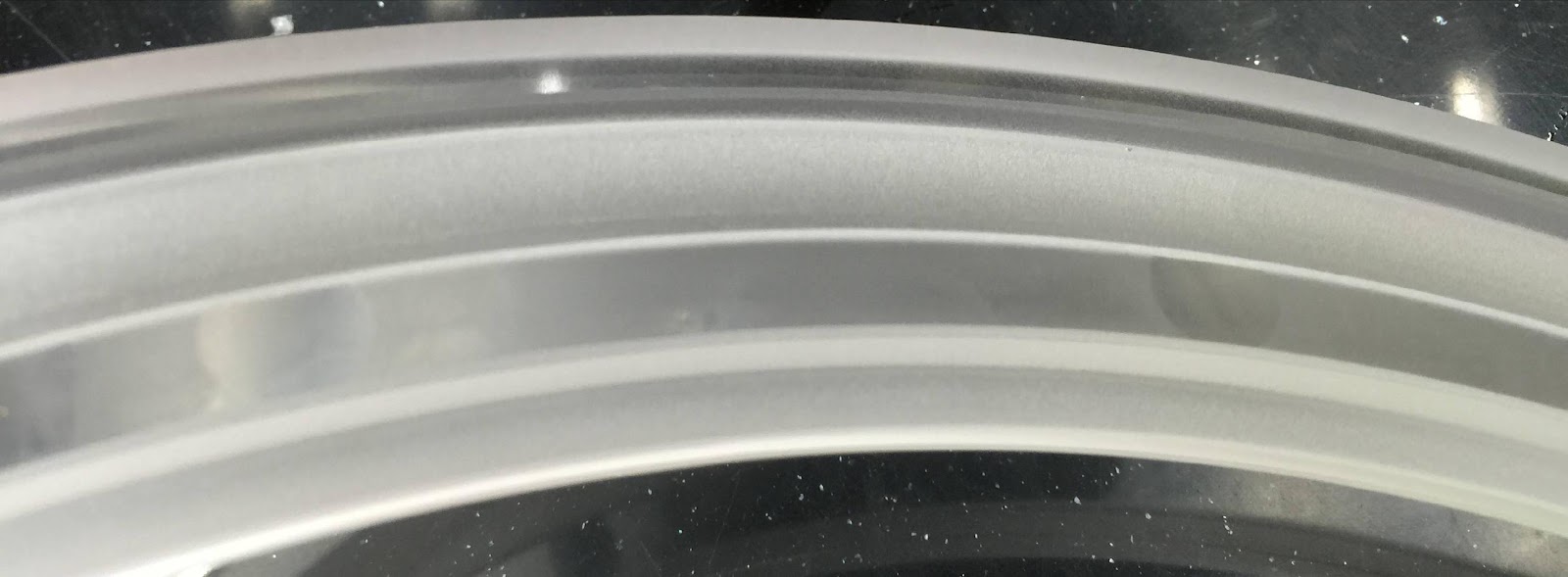
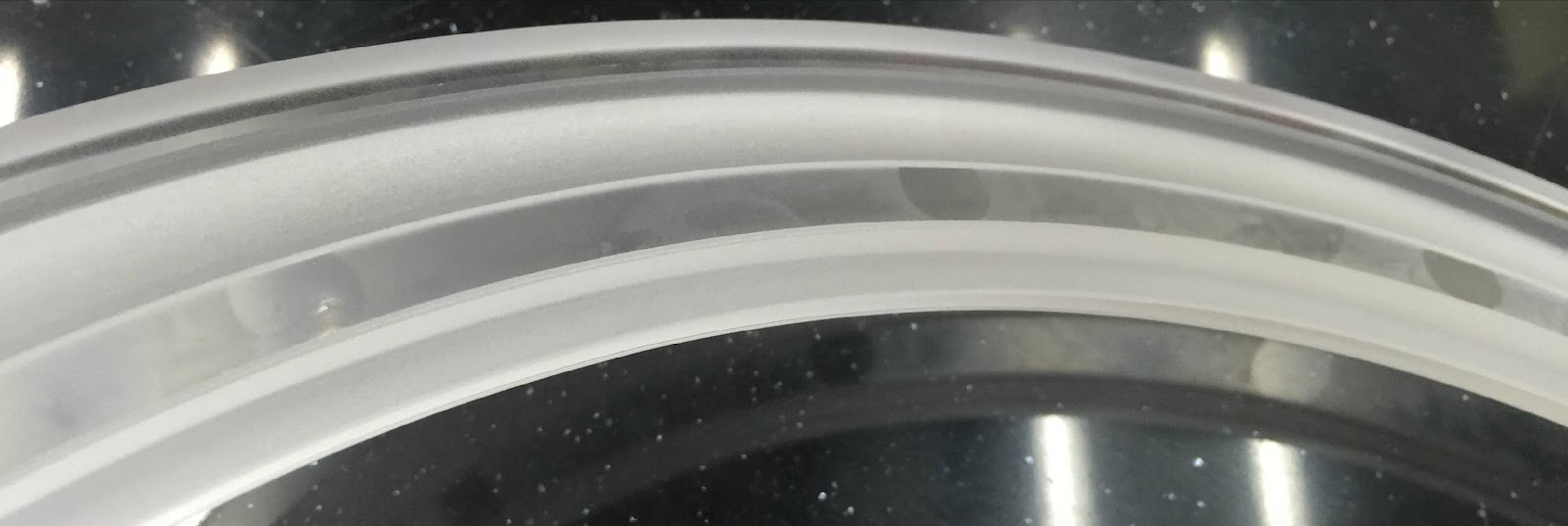
  3. Dry with air gun. The white haze residue was found to have lightened significantly.
    06.jpg

    07.jpg

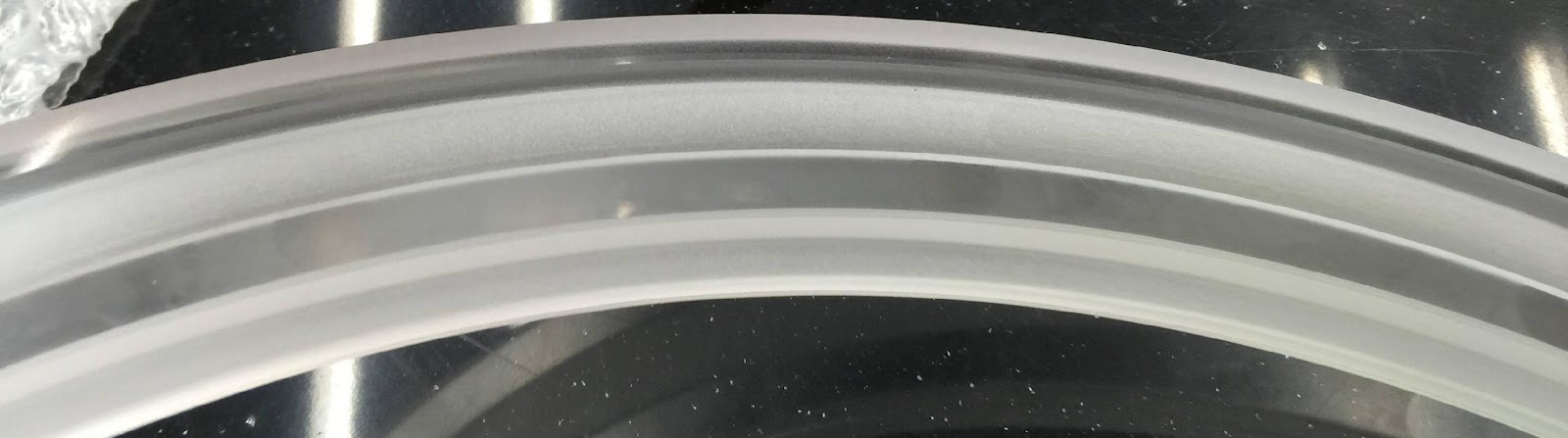
  4. Keep testing. To prolong the cleaning time, soak for 3 hours with PTC18 cleaning agent at 120~140°C. Take it out, rinse it with hot water, and dry it with an air gun. It was found that the white mist residue had almost disappeared and cleared away.
    08.jpg

    09.jpg

    10.jpg

  5. Suggestions and discussions:


Xiwei TMPTC18 dust cleaning agent is applied to strip TiO2/SiO2 vapor deposition 40-layer coating cleaning test report

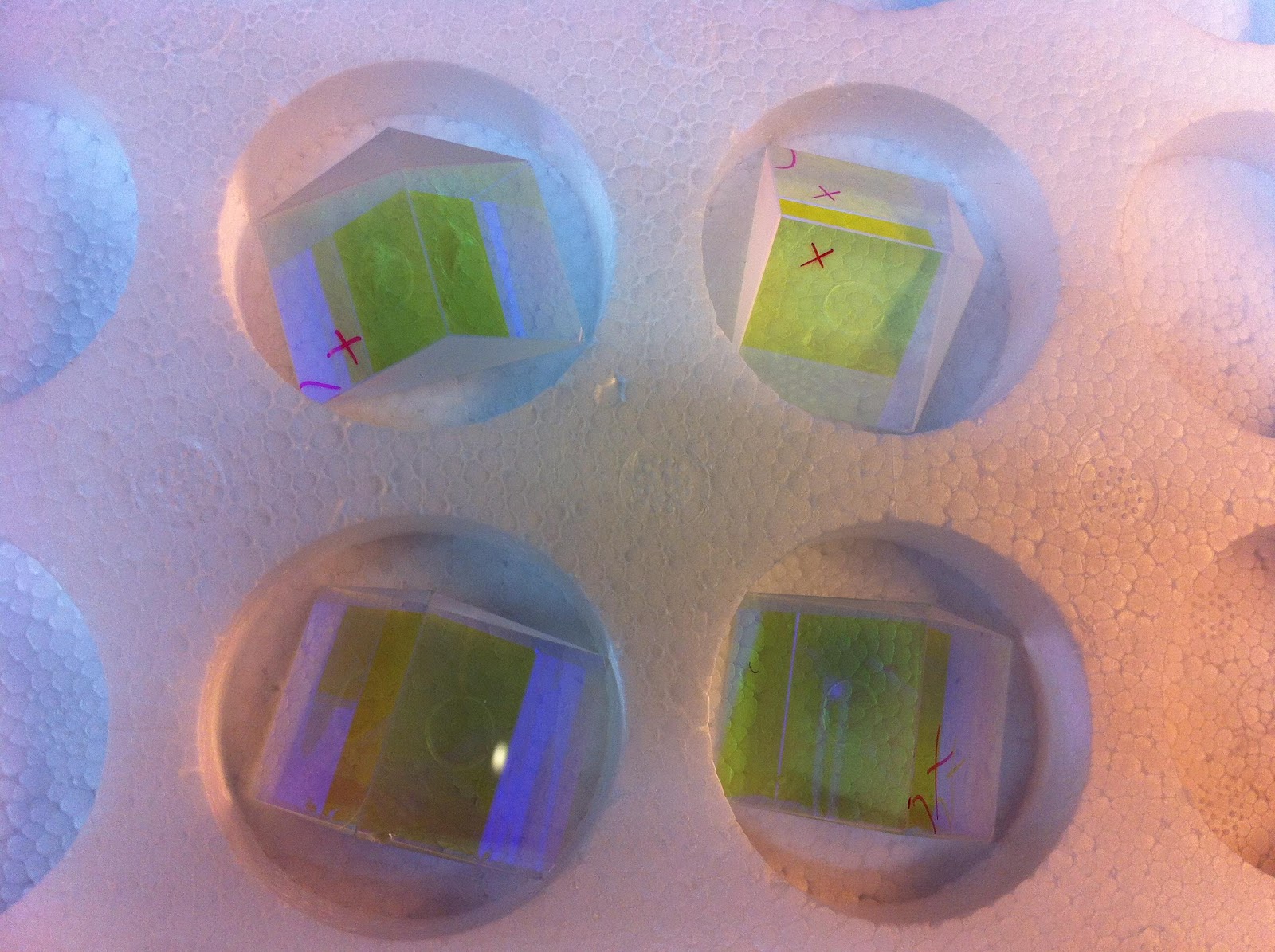
Workpiece description: A total of 40 layers of titanium dioxide/silicon dioxide metal coatings are deposited on the sniper lens. After QC, defective products need to be re-deposited coatings. In the past, cerium oxide/alumina grinding required one side grinding, and the grinding time was extremely long, time-consuming and laborious.
  1. Before cleaning, a total of 40 layers of titanium dioxide/silicon dioxide metal coating were deposited for the appearance of the lens. Under the strong light in the dark room, the rotating lens has different luster at different angles.

    11.jpg

    12.jpg

    13.jpg

    14.jpg

  2. Soak with PTC18 cleaning agent at 100~120℃ for 30 minutes.

    15.jpg

  3. After taking it out, wash it with clean water after the temperature of the lens drops. It was found that the TiO2/SiO 40 layer coating had been almost peeled off. Under the illumination of the strong light in the dark room, the different angles of the rotating lens will no longer have different luster. The remaining slight residual coating can be quickly removed by a little grinding with ceria/alumina.

    16.jpg

    17.jpg

    18.jpg

    19.jpg

    20.jpg

  4. Suggestions and discussions:
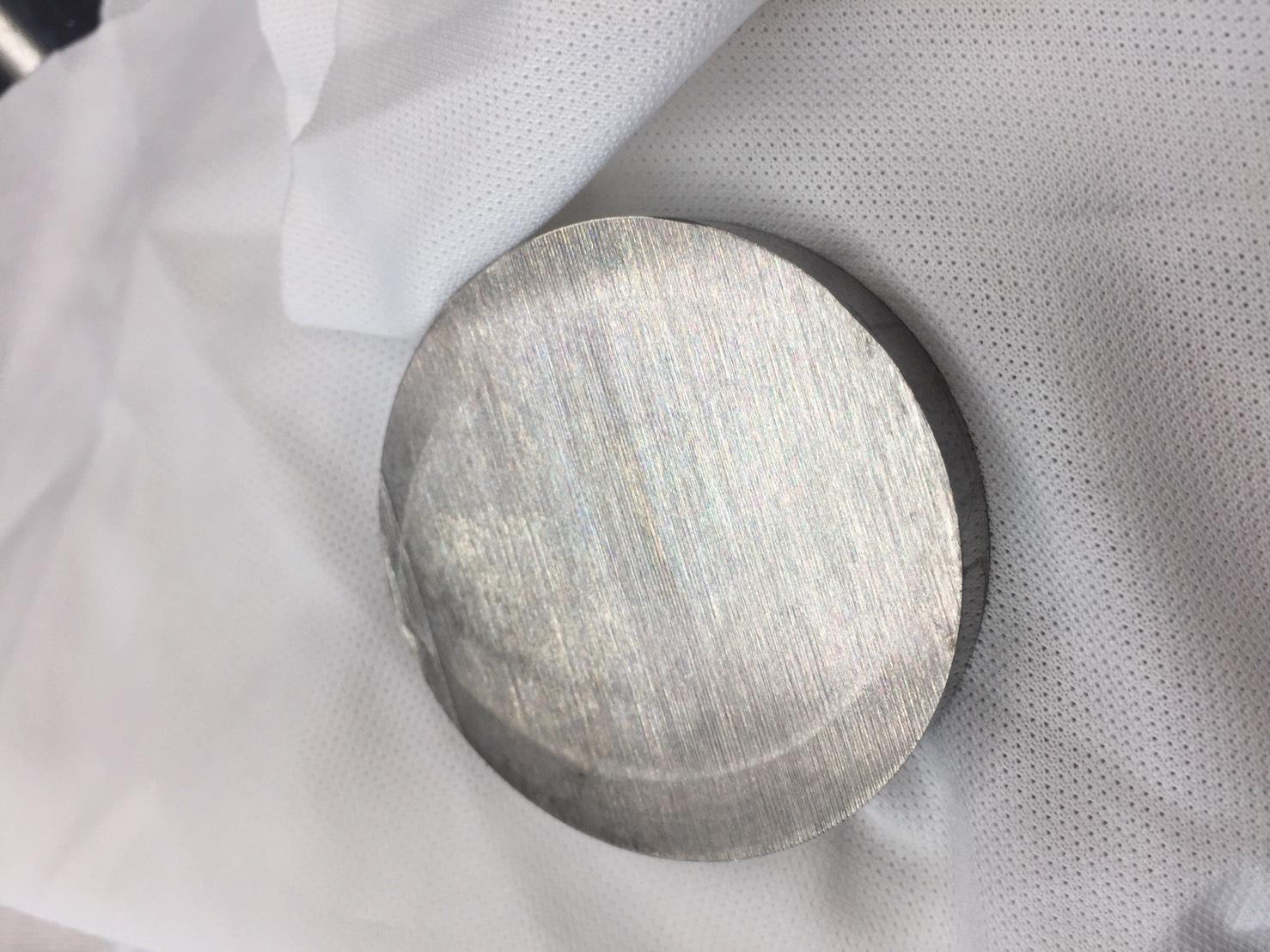

Xiwei TMPTC18 dust cleaning agent is applied to stripping SUS630 stainless steel SiO2 vapor deposition coating cleaning test report

Workpiece description: The customer requires that the SiO2 coating attached to the SUS630 stainless steel workpiece be removed, but the stainless steel must not be damaged at all (even micro-etching at the nanometer level is not allowed).
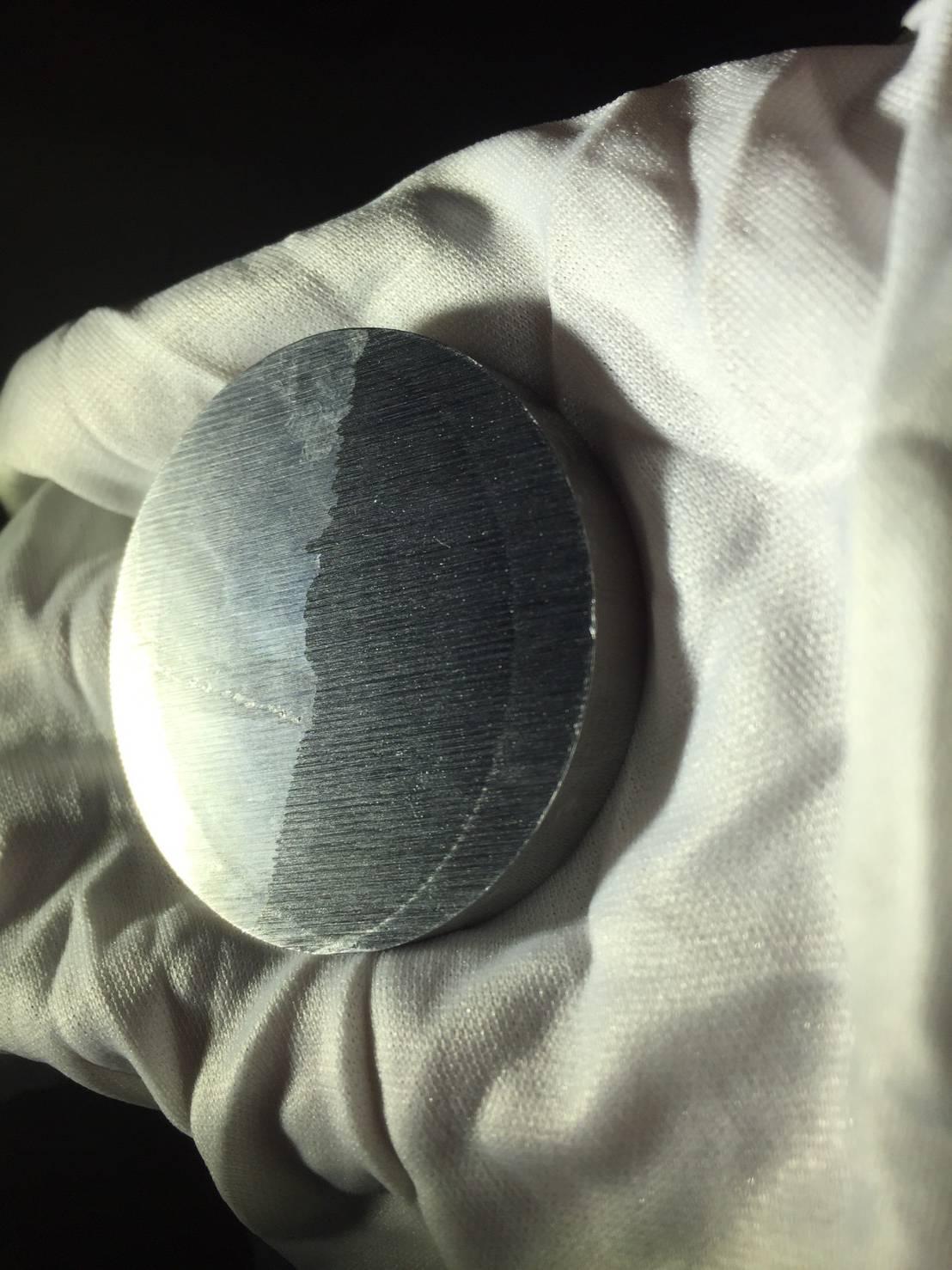
  1. Appearance of stainless steel workpiece with SiO2 coating before cleaning. Under the fluorescent lamp, you can roughly see the rainbow pattern (the left of the picture below), and under the strong light in the dark room, you can see that the attached coating presents irregular whitening lines.

    21.jpg

    Reflection of rainbow pattern can be seen under fluorescent lamp

    22.jpg

    Irregular white reflections can be seen under strong light

  2. The stainless steel workpiece without SiO2 coating has no irregular white reflection under the strong light in the dark room.

    23.jpg

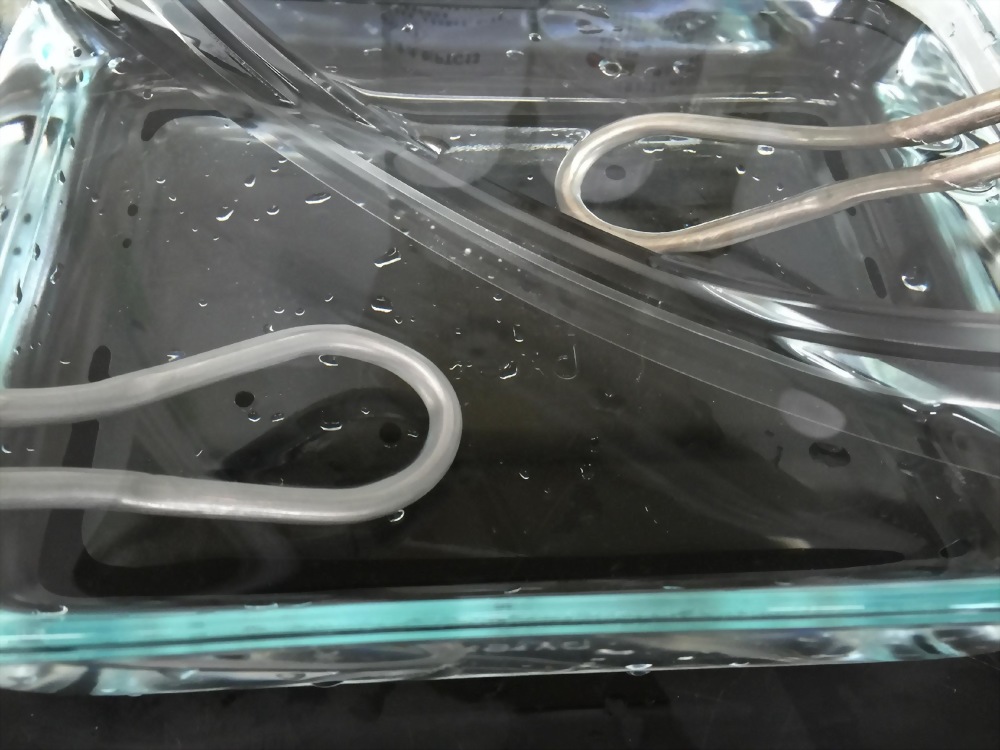
  3. Soak the stainless steel workpiece with SiO2 coating halfway in PTC18 cleaning agent at 90~100℃ for 10 minutes.

    24.jpg

    25.jpg

    After placing the stainless steel workpiece, the SiO2 coating can be seen to react and decompose at the initial stage.

    26.jpg

    After about 5 minutes, it returned to calm. Shows that the internal stainless steel material does not participate in the reaction. The medicine has not changed color at all, showing that the stainless steel material has not been damaged, and the iron ions have not been dissociated to make the medicine reddish brown.

  4. After taking it out, wash it with clean water.

    27.jpg

  5. Under the fluorescent lamp, it can be clearly seen that the submerged part of PTC18 has exposed the luster of stainless steel (the upper part of the picture below is the submerged area under the subsurface). The SiO2 coating has been completely stripped clean. Pay attention to the texture of the stainless steel section, the luster has not become blurred. In the area near the liquid surface, the peeling time of the SiO2 coating is different due to the shaking of the chemical liquid surface, but the color and luster of the exposed stainless steel surface do not change in depth; this shows that the SUS630 stainless steel will not be damaged by chemical immersion at all.
    The darker part below is the area where the SiO2 coating has not been peeled off, and rainbow patterns can still be seen vaguely.

    28.jpg

  6. Under the illumination of strong light in a dark room, it can be clearly found that the SiO2 coating has been completely stripped off. The soaking area under the liquid surface on the right side of the figure below has no irregular white reflections.

    29.jpg

  7. Suggestions and discussions: