• Silicone Cleaner

Silicone Cleaner

Model : SGC01

SGC01 applied to IT CG samples to peel off hardened ink but not damage the anti-reflection film test report

1. Use SGC01 (95%, 5% water), heat at 75°C and soak for 10 minutes. Then wipe off with a lint-free cloth.

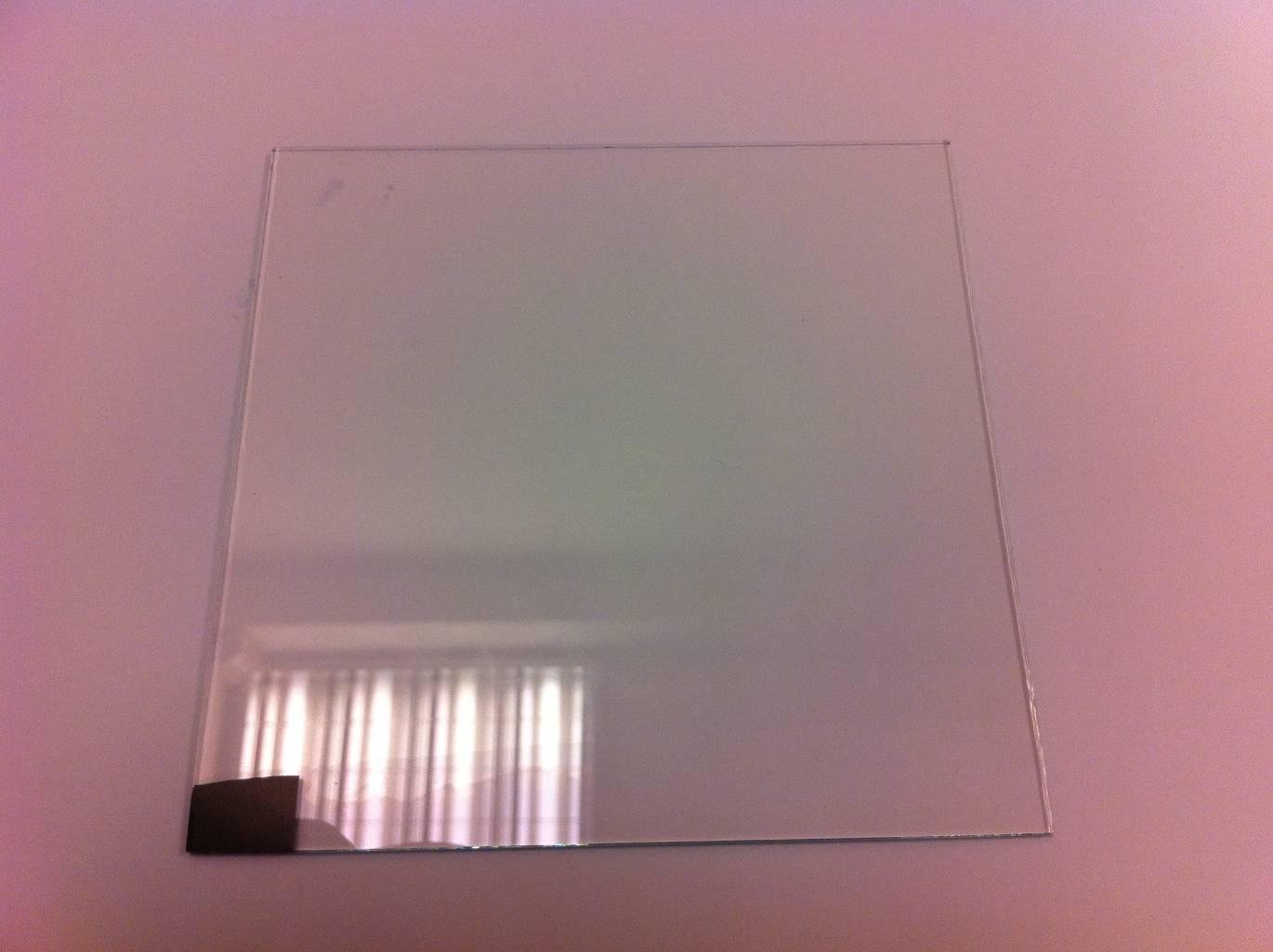
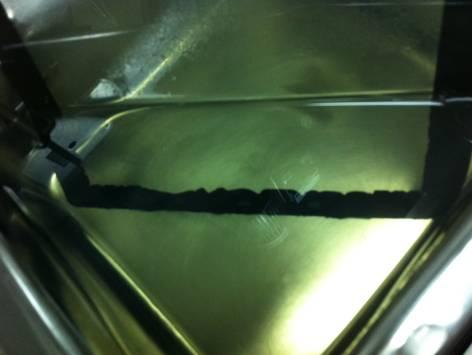
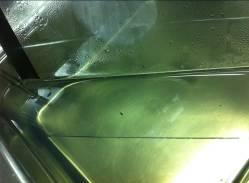
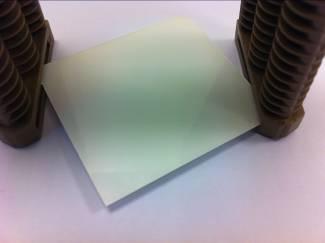
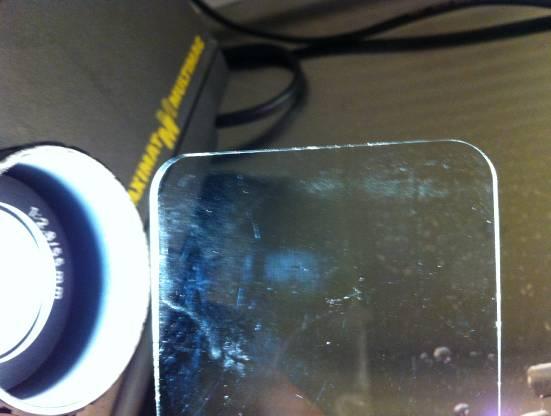
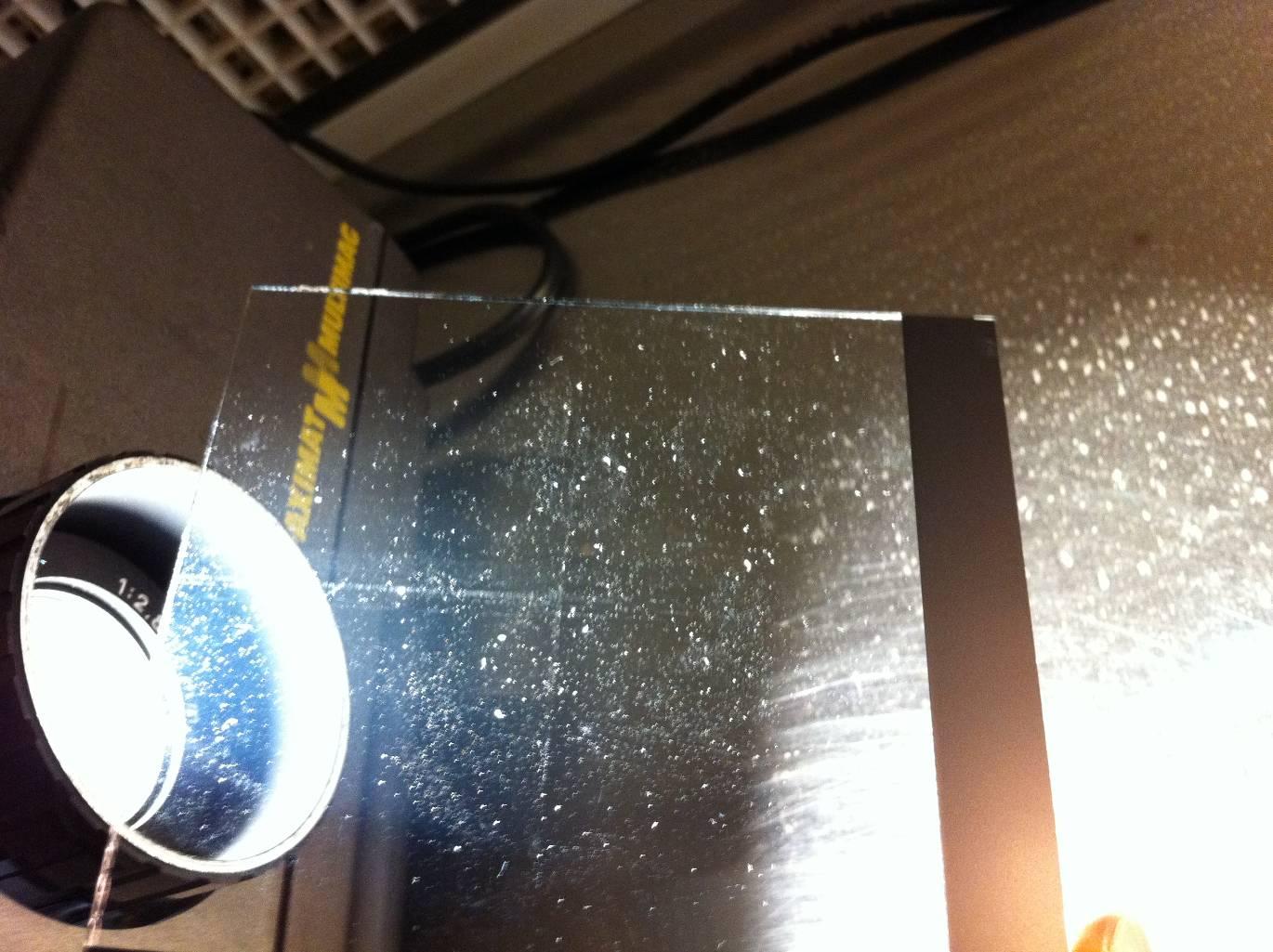
  1. Before cleaning, the anti-reflection film cannot be seen with the naked eye because the surface is covered with particles.
    01.jpg

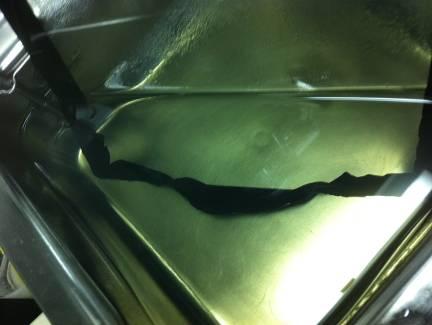
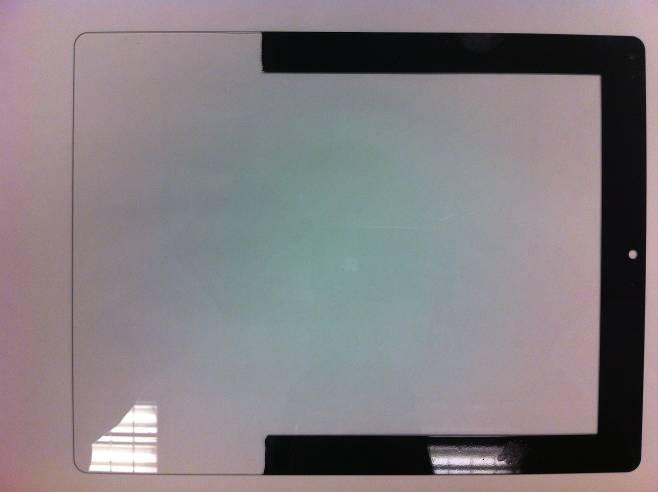
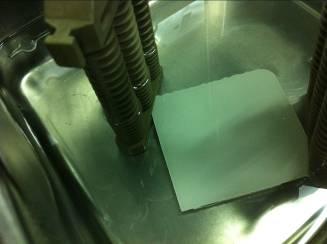
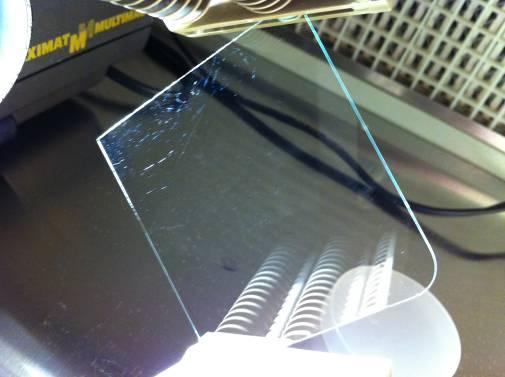
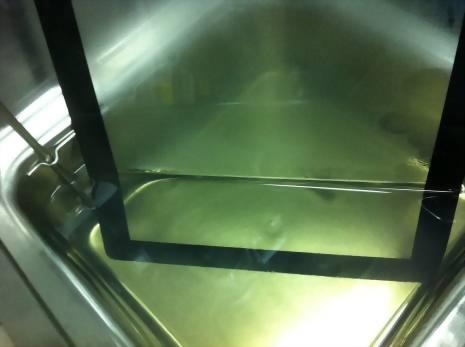
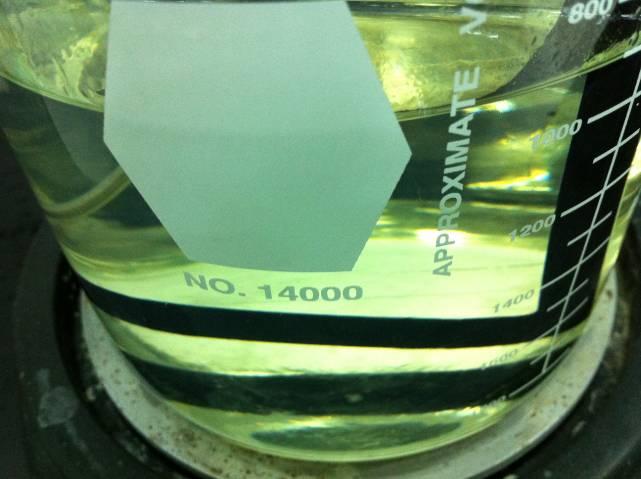
  2. Place in SGC01 (95%, 5% water) at 75°C, heat and soak for 10 minutes.
    02.jpg

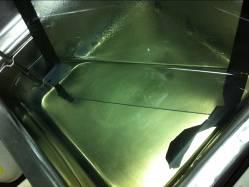
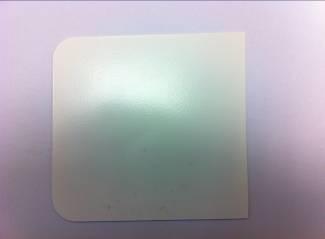
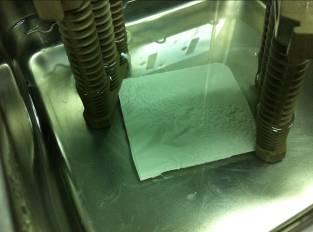
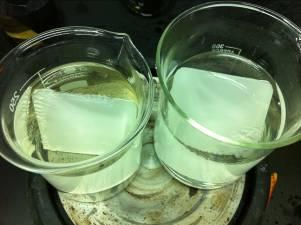
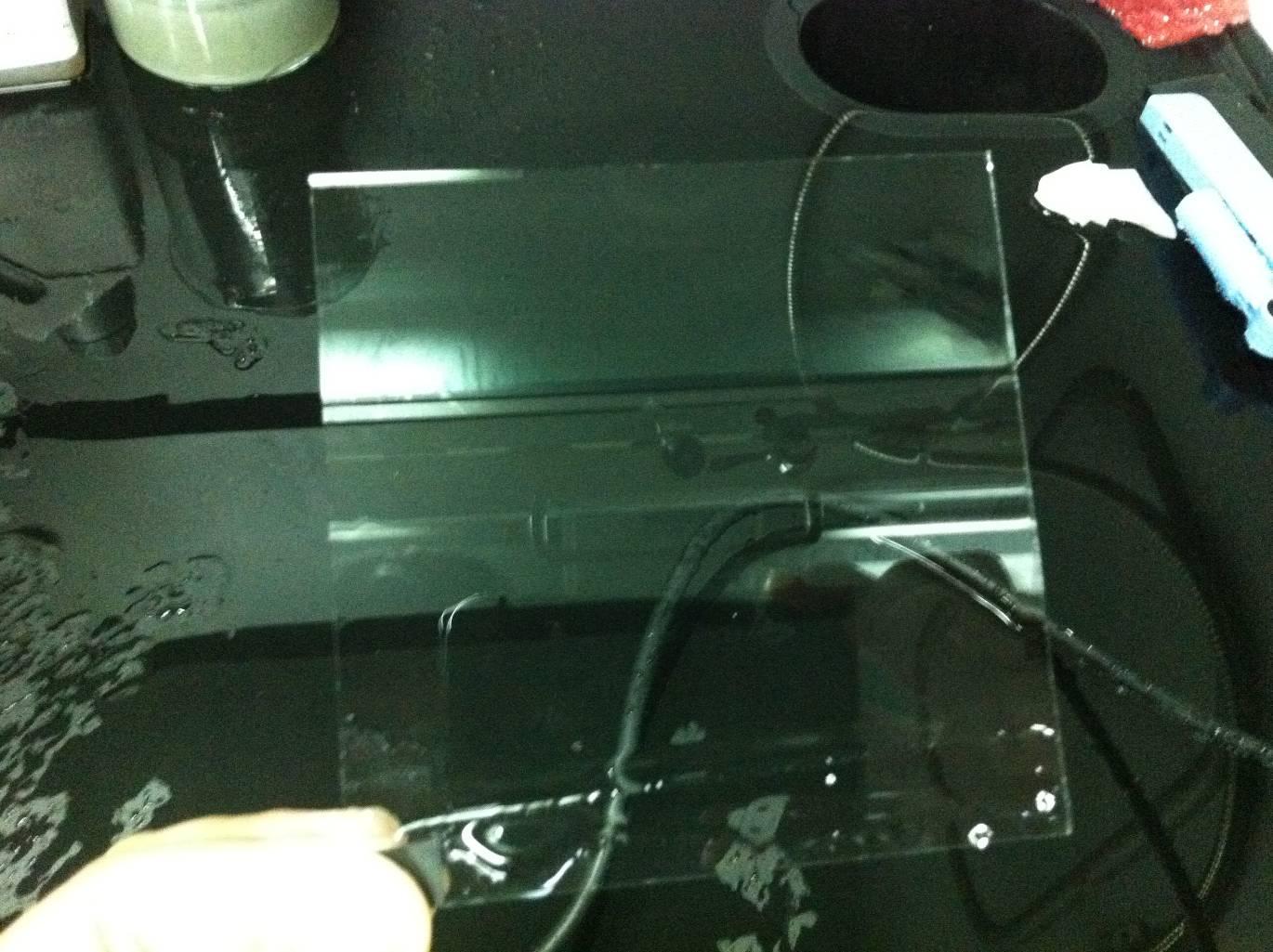
  3. After soaking for 10 minutes, take it out and wipe it with a dust-free cloth, which can be easily wiped off. And without any residue. From the residual phenomenon of the water film, it can be found that there is a transparent coating on the glass, and the coating has not been destroyed.
    03.jpg

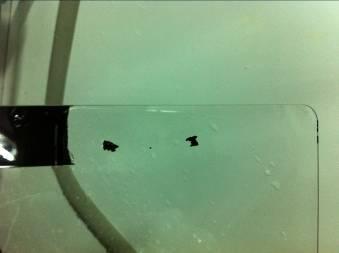
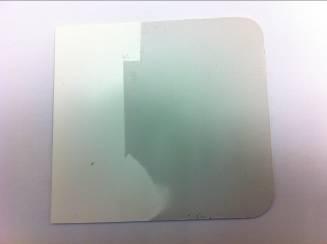
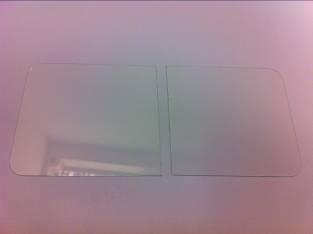
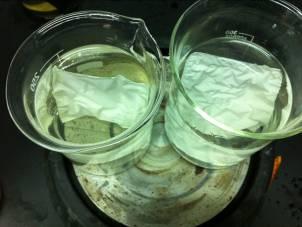
  4. Observe on the table.

    04.jpg

  5. Suggestions and discussions:

    5.1 SGC01 confirms that the CG sample provided to IDEETech can effectively peel off the hardened black frame ink on it. Preliminary judgment does not damage the anti-reflection film
    5.2 Since the ink on the four sides of the glass does not swell and peel off, it is impossible to determine whether it can be removed by wiping it with a clean cloth within 10 minutes of soaking. It is recommended that process engineers need to reconfirm the corresponding parameters of time and temperature.
    5.3 Automation suggested process:
    5.3.1 Prewash tank. Pre-wash with ultrasonic wave at 60℃, SGC01 for 1 minute. Wash off the particles on it to avoid scratches on the glass when the rear plum page scrubber is scrubbing.
    5.3.2 Soaking tank. Soak for 5-10 minutes under 75℃ SGC01. Decomposes and softens hardened ink.
    5.3.3 Scrub tank. Scrub with plum-type brushing machine to wash off the ink.
    5.3.4 Re-soak tank. Soak for 5 minutes at 75°C SGC01. This step is to confirm that the hardened ink that may not have come off completely in the previous step due to too much thickness can be decomposed and softened again.
    5.3.5 Scrub tank. Scrub with plum-type brushing machine to remove all ink, pollutants and particles on the glass.
    5.3.6 Washing tank. According to the design of plum-page brush washing machine, it is divided into 3~6 steps of washing and drying.
    5.4SGC01 can generate a zeta potential greater than -36mv. Make the glass surface and the particle form an effective repulsive negative voltage. While peeling off the hardened ink on the glass, it can also effectively remove grease and particle pollution on the glass.
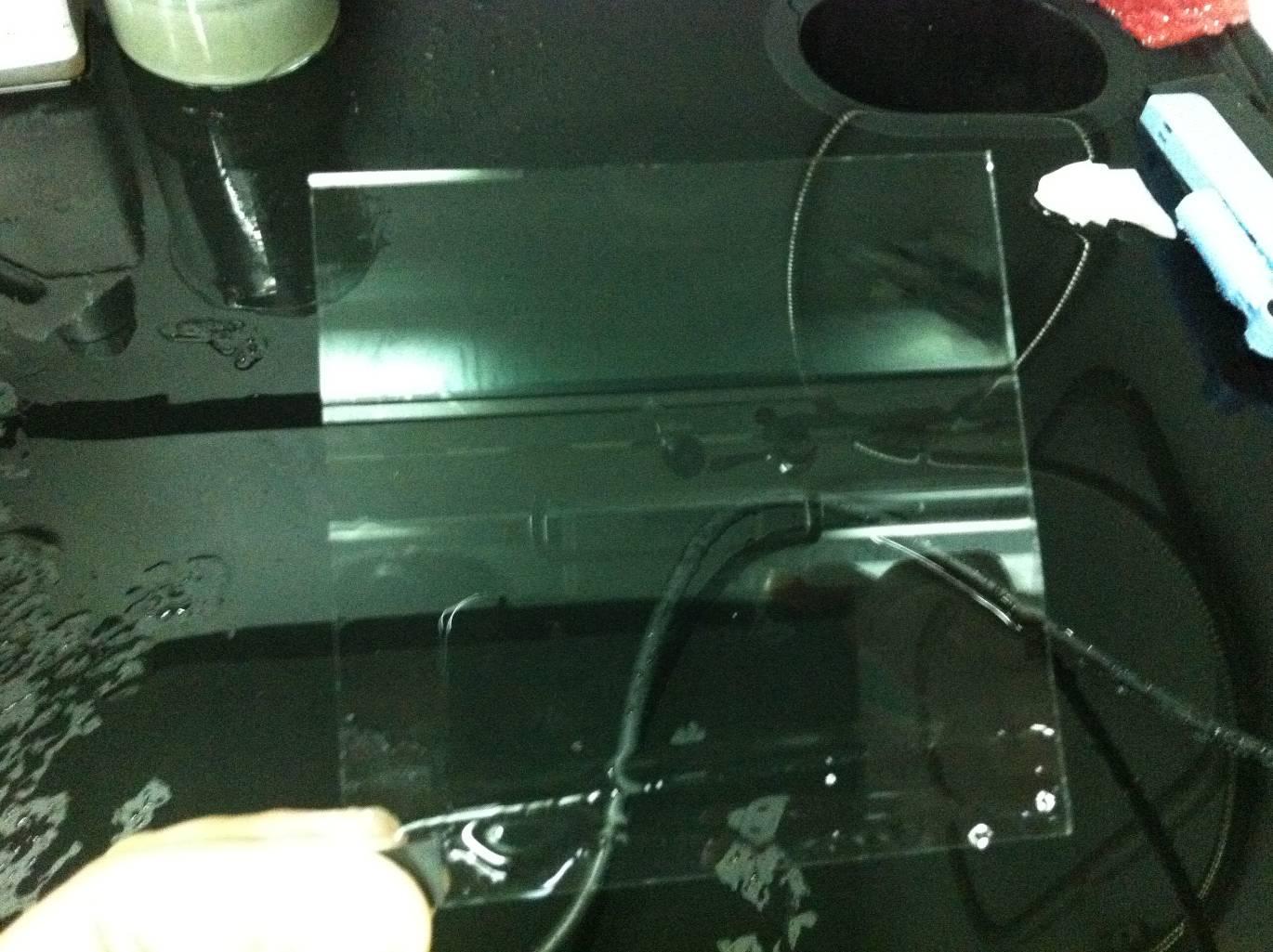
SGC01 applied to IDEETech CG samples to peel off hardened ink without damaging the anti-reflection film test report

1. Use SGC01 (95%, 5% water), heat at 75°C and soak for 10 minutes. Then wipe off with a lint-free cloth.

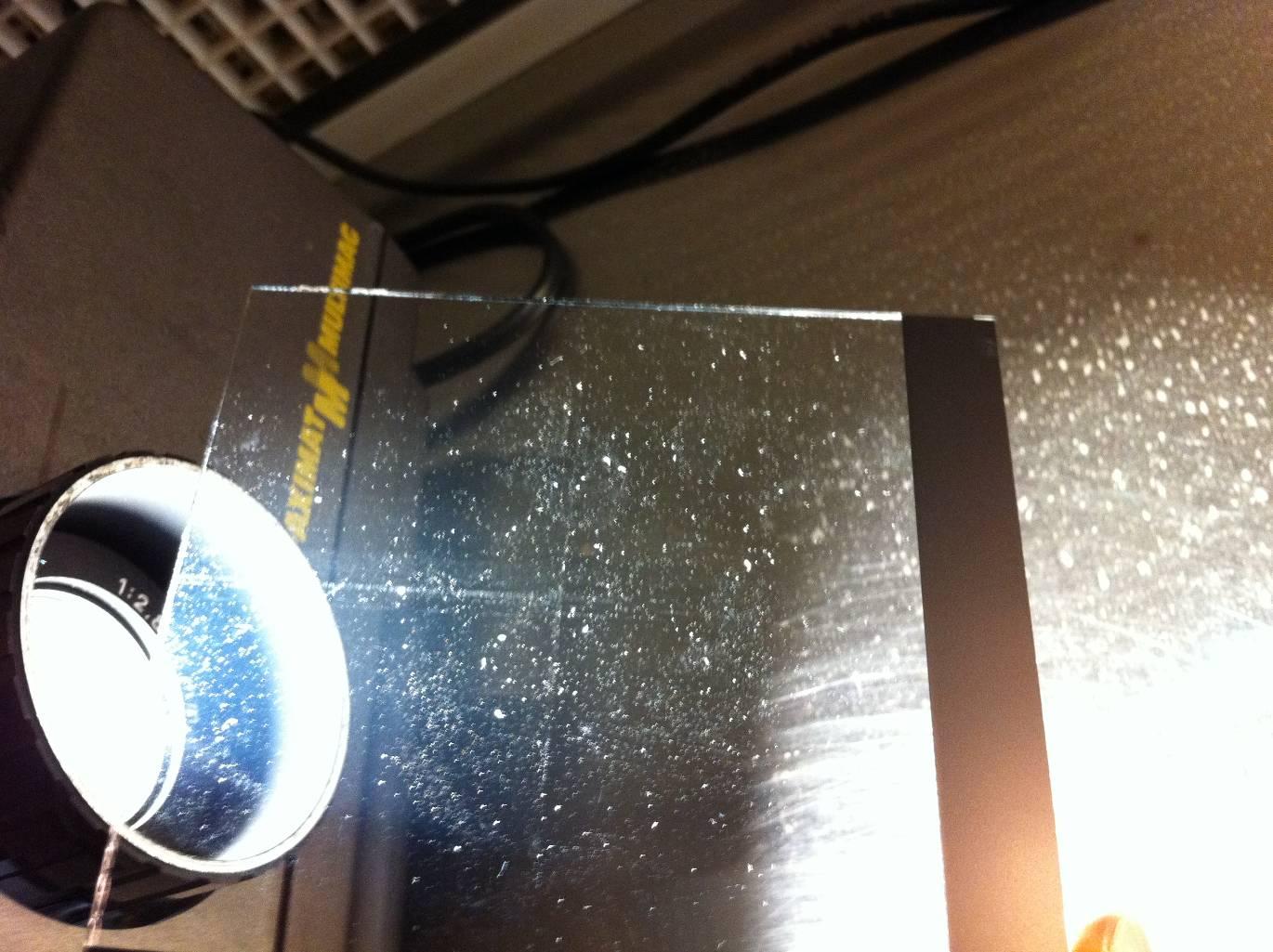
  1. Before cleaning, the anti-reflection film cannot be seen with the naked eye because the surface is covered with particles.

    05.jpg

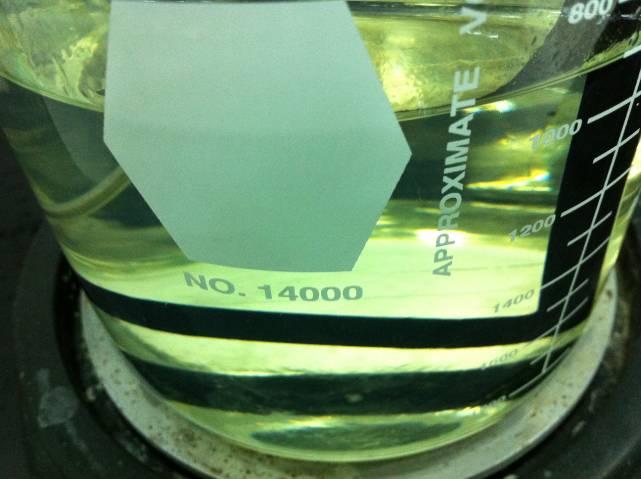
  2. Place in SGC01 (95%, 5% water) at 75°C, heat and soak for 10 minutes.

    06.jpg

  3. After soaking for 10 minutes, take it out and wipe it with a dust-free cloth, which can be easily wiped off. And without any residue. From the residual phenomenon of the water film, it can be found that there is a transparent coating on the glass, and the coating has not been destroyed.

    07.jpg

  4. Observe on the table.

    08.jpg

  5. Suggestions and discussions:

    5.1 SGC01 confirms that the CG sample provided to IDEETech can effectively peel off the hardened black frame ink on it. Preliminary judgment does not damage the anti-reflection film
    5.2 Since the ink on the four sides of the glass does not swell and peel off, it is impossible to determine whether it can be removed by wiping it with a clean cloth within 10 minutes of soaking. It is recommended that process engineers need to reconfirm the corresponding parameters of time and temperature.
    5.3 Automation suggested process:
    5.3.1 Prewash tank. Pre-wash with ultrasonic wave at 60℃, SGC01 for 1 minute. Wash off the particles on it to avoid scratches on the glass when the rear plum page scrubber is scrubbing.
    5.3.2 Soaking tank. Soak for 5-10 minutes under 75℃ SGC01. Decomposes and softens hardened ink.
    5.3.3 Scrub tank. Scrub with plum-type brushing machine to wash off the ink.
    5.3.4 Re-soak tank. Soak for 5 minutes at 75°C SGC01. This step is to confirm that the hardened ink that may not have come off completely in the previous step due to too much thickness can be decomposed and softened again.
    5.3.5 Scrub tank. Scrub with plum-type brushing machine to remove all ink, pollutants and particles on the glass.
    5.3.6 Washing tank. According to the design of plum-page brush washing machine, it is divided into 3~6 steps of washing and drying.
    5.4SGC01 can generate a zeta potential greater than -36mv. Make the glass surface and the particle form an effective repulsive negative voltage. While peeling off the hardened ink on the glass, it can also effectively remove grease and particle pollution on the glass.
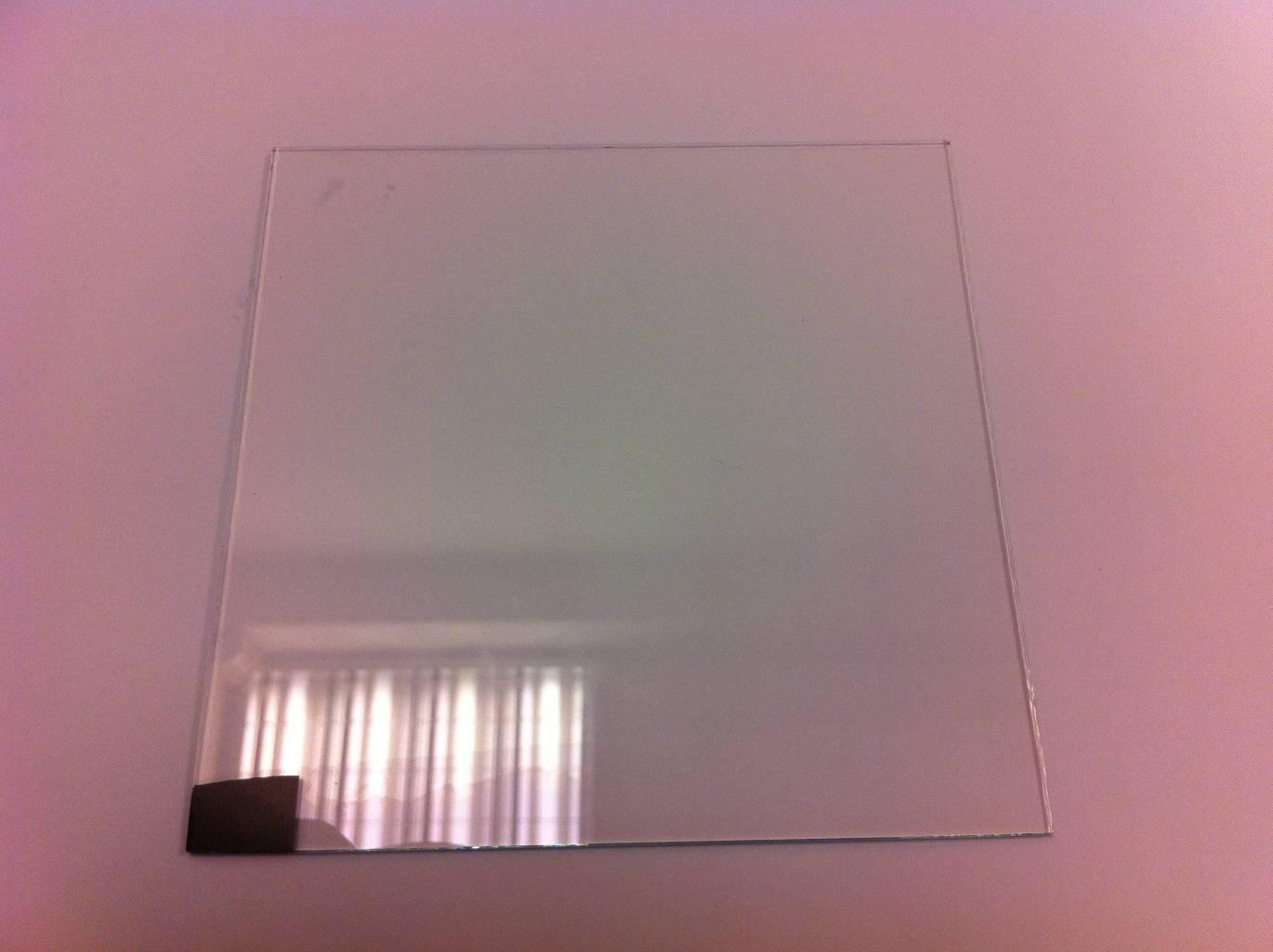

SGC01 applied to CH CG samples to peel off hardened ink but not damage the anti-reflection film test report

1. Use SGC01 (95%, 5% water), heat at 80°C and soak for 10 minutes. Then wipe off with a lint-free cloth.

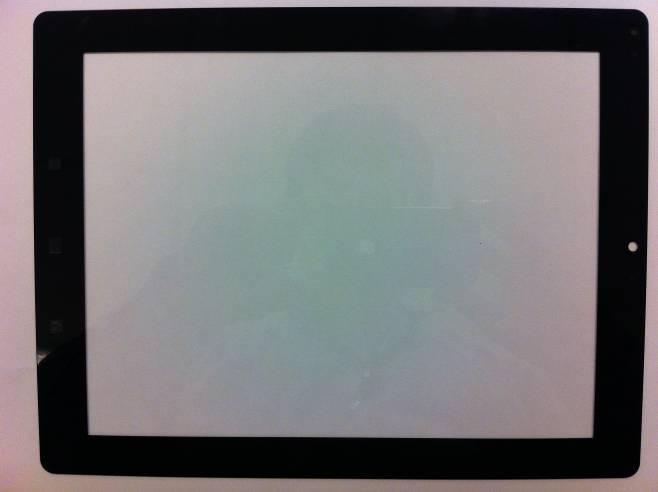
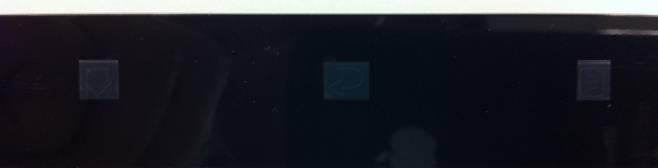
  1. Before washing. In addition to the black frame ink on the CG, there are also light-colored button inks.

    09.jpg

    10.jpg

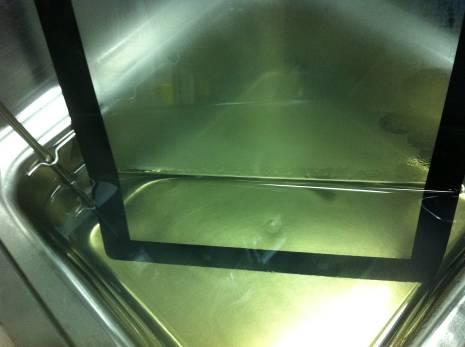
  2. Put it in SGC01 (95%, 5% water) at 80℃, heat and soak.

    11.jpg

  3. After soaking for 1 minute.

    12.jpg

  4. After soaking for 3 minutes.

    13.jpg

  5. After soaking for 5 minutes, remove and rinse with water. It was found that part of the black frame was sticky and could not be removed.

    14.jpg

    15.jpg

  6. Re-soak and remove after soaking for 10 minutes.

    16.jpg

  7. Take it out after soaking for 10 minutes, and the residual ink can be easily wiped off with a dust-free cloth.

    17.jpg

  8. Suggestions and discussions:

    7.1 SGC01 confirmed that it can effectively remove the hardened black frame ink on Qinghui Industrial CG samples.


SGC01 applied to white EPOXY coated glass peeling test report

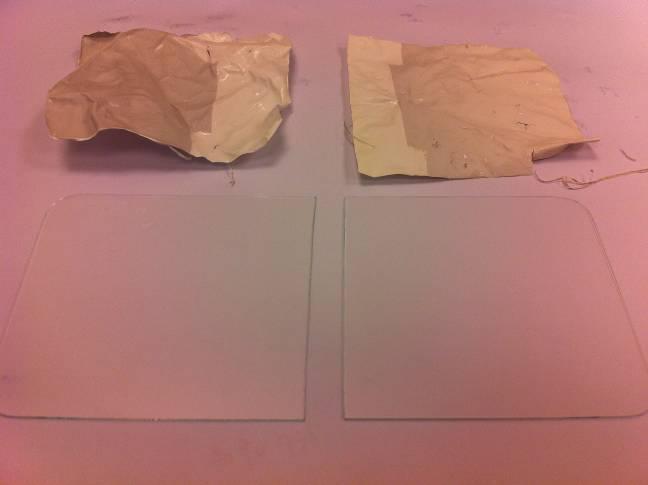
  1. With the continuous innovation of hardening coating technology, the properties of hardening coatings such as hardness, abrasion resistance, chemical resistance, etc. are constantly improving. No matter it is UV hardening type or baking hardening type, the new hardened coating has excellent adhesion to the surface of various materials, the coating film is tough, high hardness, and has a high degree of wear resistance and impact resistance. Moreover, the coating film will not dissolve again after hardening, and can no longer be dissolved in solvents. It has good chemical resistance, pollution resistance and weather resistance, and will not soften when heated. However, in the process of coating or screen printing, it is inevitable that due to particle pollution, generation of air bubbles, printing errors or uneven spraying, etc., resulting in defective workpieces.

    18.jpg

    19.jpg

  2. Secure the glass panes to be stripped with fixing brackets. Put it into the SGC01 and SGC02 agents heated to 65~70°C.

    20.jpg

    21.jpg

  3. In a static state, after soaking for 10 minutes, it can be found that the coating of the glass plate soaked in the SGC01 agent has been completely separated.
    Take out and rinse with clean water.

    22.jpg

    23.jpg

  4. Using strong light in a dust-free dark room, it was found that the glass was still attached to the contaminants. It should be further brushed or cleaned with ultrasonic waves to avoid affecting the fastness of paint adhesion when spraying again. Of course, if the fastness of paint adhesion is not affected, it does not necessarily need to be cleaned again.

    24.jpg

  5. In a static state, soak SGC02 at 65~70°C for 30 minutes, and it can be found that the coating of the glass plate soaked in SGC02 has been completely separated. Take out and rinse with clean water. Using strong light in a dust-free dark room, it is found that there are relatively few attachments on the glass except for scratches. Of course, you can still brush it further, or use ultrasonic cleaning to avoid affecting the fastness of paint adhesion when spraying again.

    25.jpg

  6. Another comparison test: the left side is SGC02, the liquid temperature is 70~75°C; the right side is SGC01 liquid temperature is 65~70°C.

    26.jpg

    Soak for 1 minute

    27.jpg

    Soak for 10 minute

  7. The liquid temperature of SGC01 is 65~70°C; the liquid temperature of SGC02 is 70~75°C; both of them can strip the hardened paint on the white painted glass of Zhengda International Optoelectronics after soaking for 10 minutes.

    28.jpg

  8. Results Discussion:

    8.1 At a liquid temperature of 65~70°C, the ability of SGC01 to strip hardened paint is significantly higher than that of SGC02. SGC01 takes 10 minutes and SGC02 takes 30 minutes. However, such a result may also be the "normal error range" caused by the difference in the adhesion fastness of the hardened coating.
    8.2 The liquid temperature of SGC01 is 65~70°C; the liquid temperature of SGC02 is 70~75°C; both can strip the hardened paint within 10 minutes. Note that such results may also be "normal error ranges" caused by differences in the adhesion fastness of hardened coatings.
    8.3 SGC02 is lower than SGC01 in dissolving and destroying the stripped white hardened paint. After heating and soaking, the SGC01 liquid looks slightly cloudier than SGC02, and there are a small amount of small pieces of white hardened paint in the liquid.
    8.4 The glass soaked in SGC02 was irradiated with a strong light in a dust-free dark room, and it was found that the glass was relatively clear.