before cleaning
Soak in SGC04 at 60degC for 60 minutes.
after cleaning
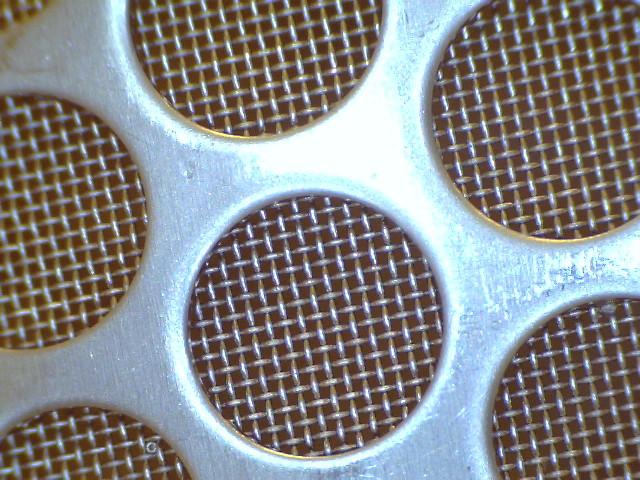
Compare:
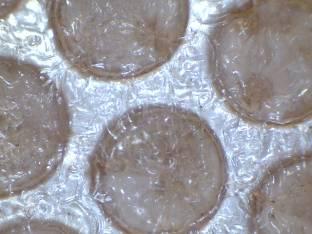
before cleaning
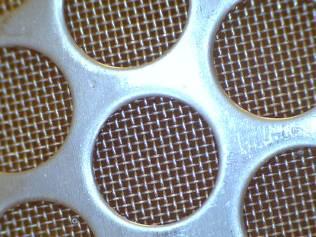
after cleaning
Xiwei TM silicone cleaning agent SGC04 is used for cleaning of toluene diisocyanate (TDI) and 4,4-diisocyanate dicyclohexylmethane (HMDI) reaction polymer
before cleaning
Soak in SGC04 at 60degC for 60 minutes.
after cleaning
Compare:
before cleaning
after cleaning
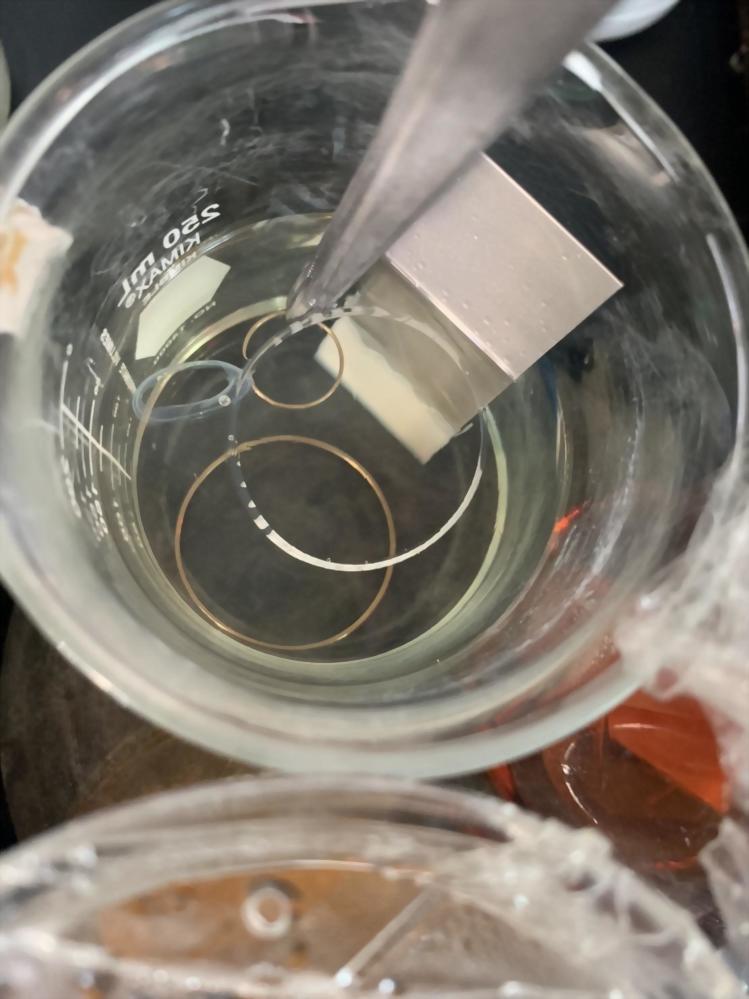
Xiwei TM Silicone Cleaner SGC04 is used in copper ring silicone removal test
Bond a layer of silicone on the surface of the copper ring before cleaning.
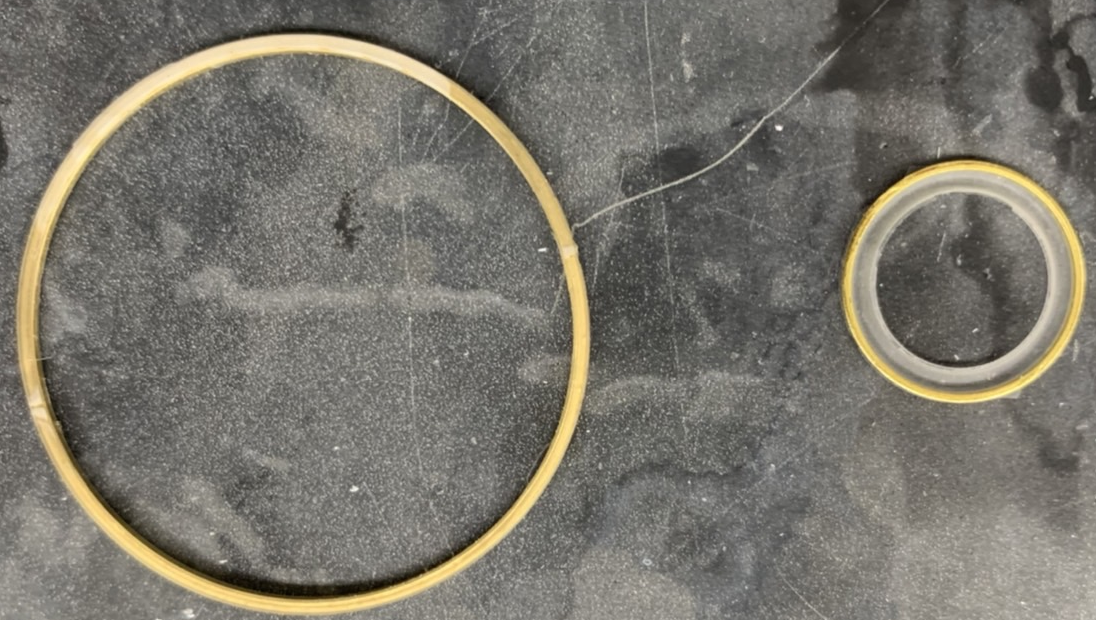
Use silicone cleaning agent SGC04, add 20% pure water, heat to 70~80°C, and soak for 3 hours. It was found that the attached silicone had fallen off.
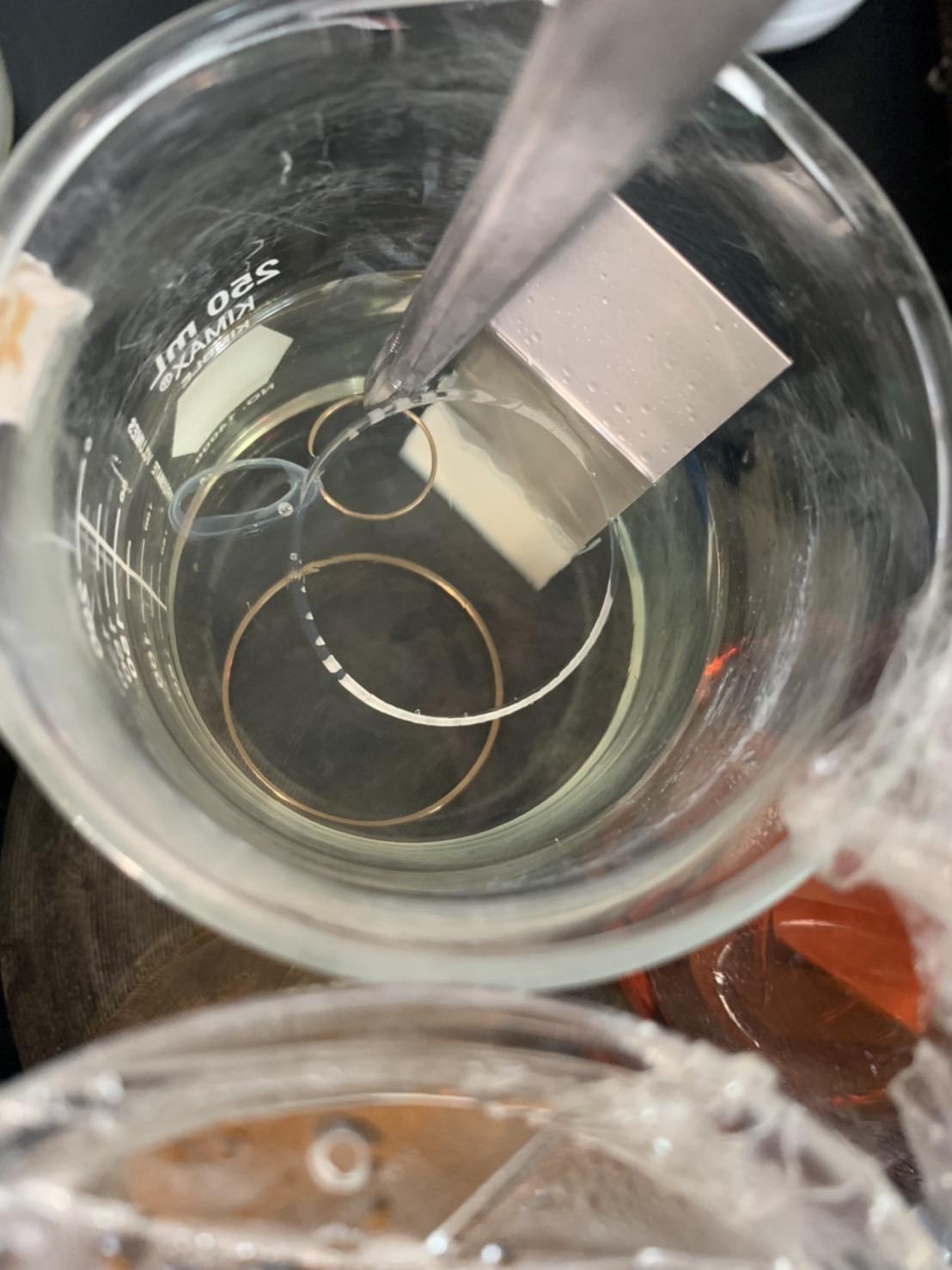
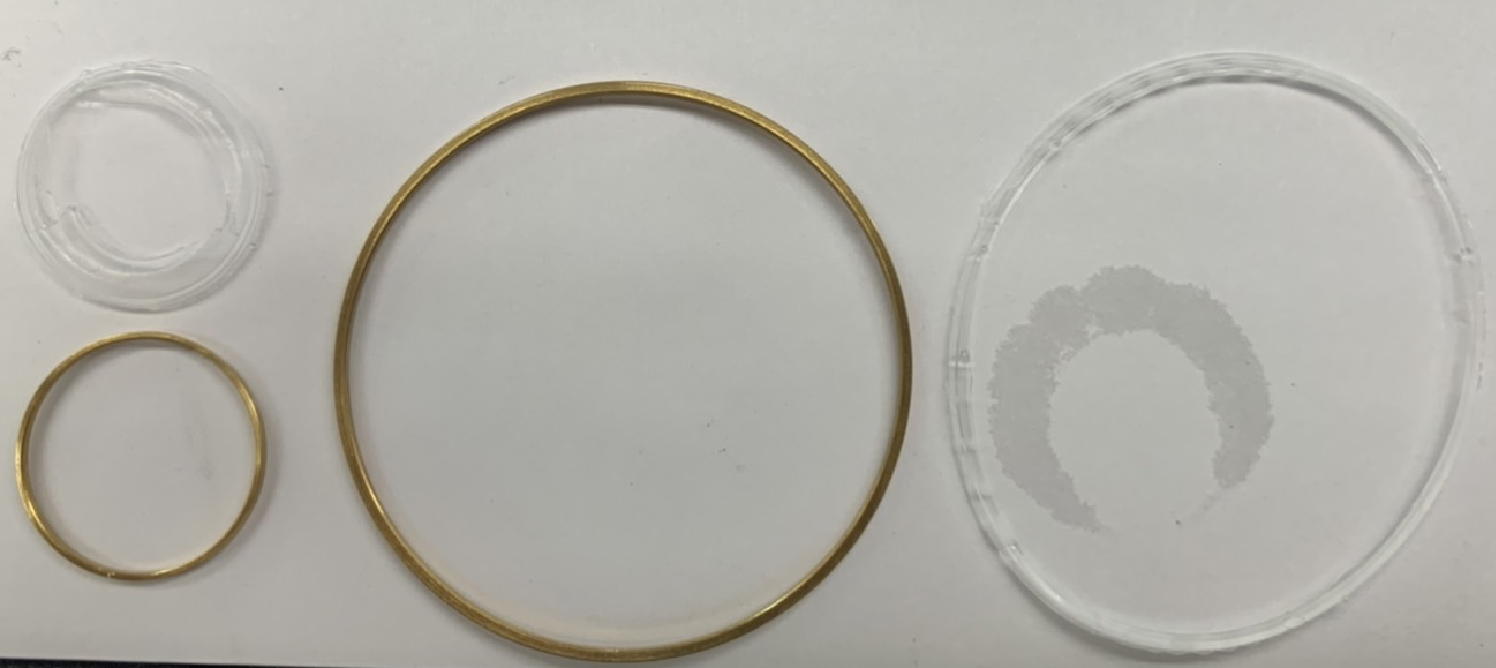
Take out and rinse.
The copper ring is intact and free from corrosion. The silicone ring has been completely separated.
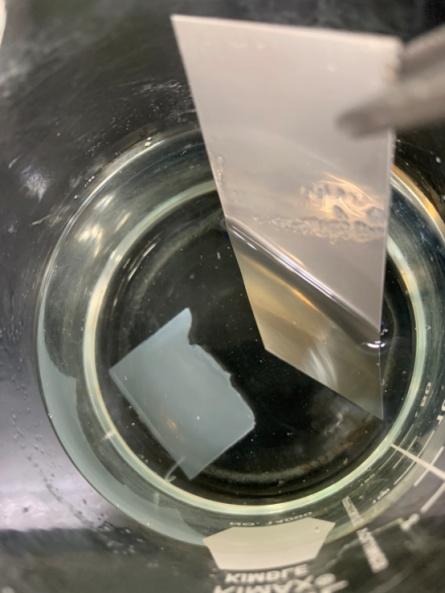
The stainless steel sheet soaked for 3 hours at the same time, because the surface is coated with thick silicone, the surfactant cannot effectively invade the interface between the silicone and the stainless steel, making it lose its viscosity and fall off.
So only the silicone around the edges floats. It's not easy to get the whole piece off. (Unless the silicone is thinned, or soaked for a long time.)
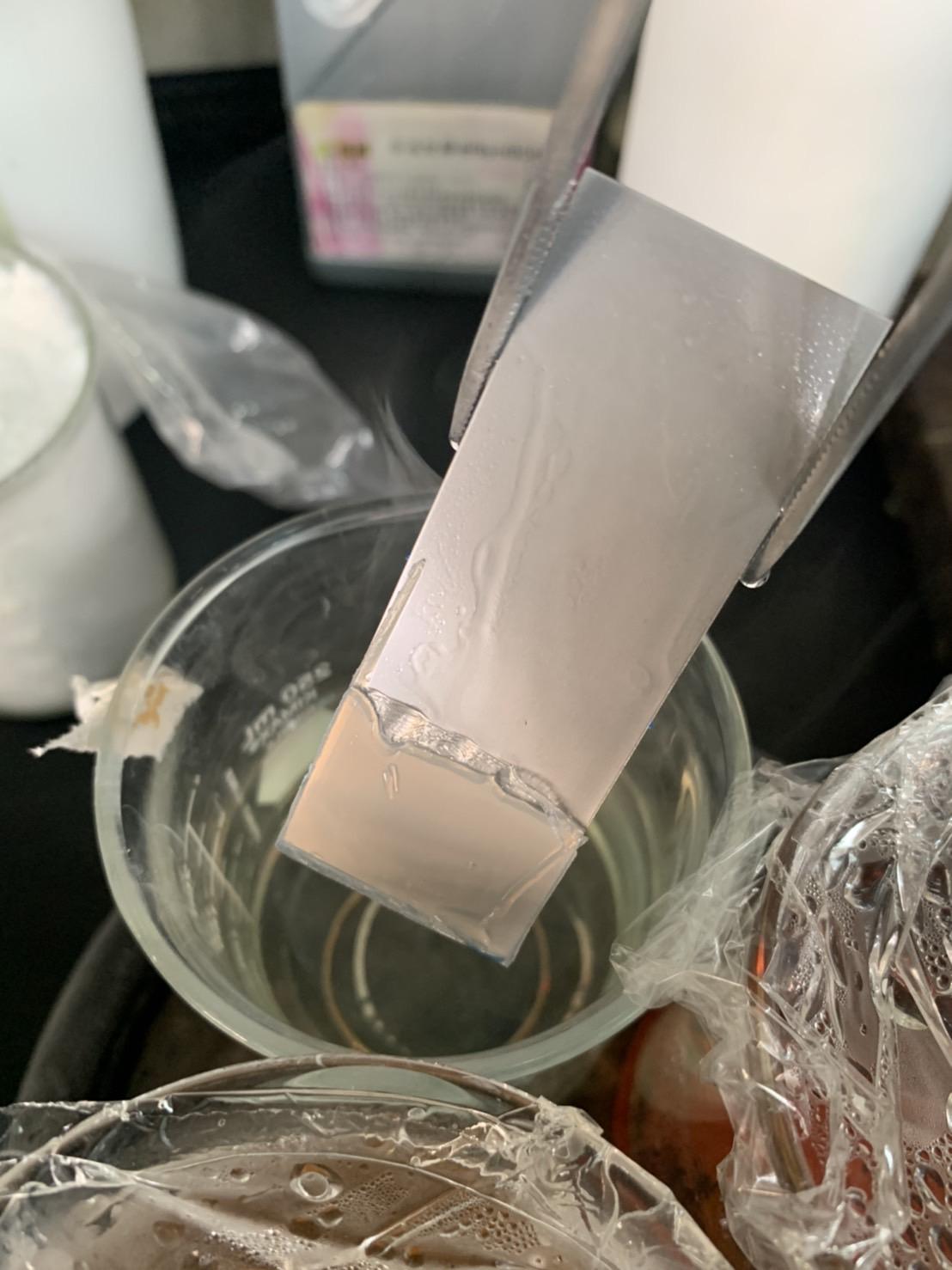
Continue to soak for 10 days at room temperature, and find that it has come off.
Notice! The temperature, time, and cleaning methods disclosed in this test report are for reference only, not the most appropriate parameters.
The most appropriate cleaning conditions and cleaning methods still need to be tested repeatedly by the user to obtain the best parameter values.
Xiwei TM Silicone Cleaner SGC04 Applied to Glass Panel Silicone Cleaning Test Report
After the glass panel PET sensor module is torn off, the silicone residue remains on the tempered glass before cleaning.
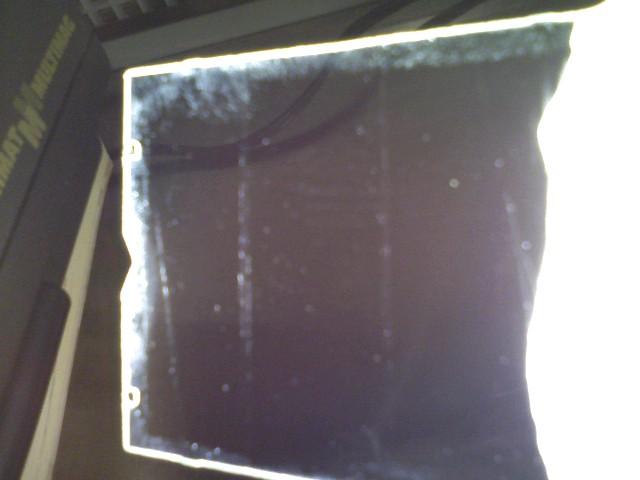
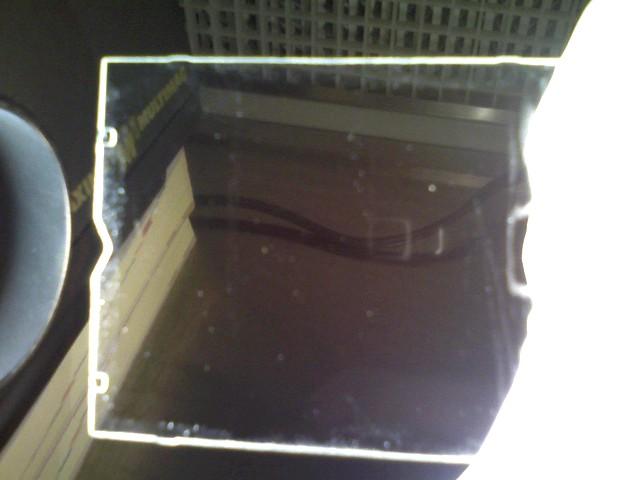
After pre-soaking with SGC04 at 50°C for 1 hour, then wash with SGC04 at 50°C, 50W/L, 40KHz, ultrasonic waves for 10 minutes, and spray clean with 6Kg/cm2 high-pressure pure water.
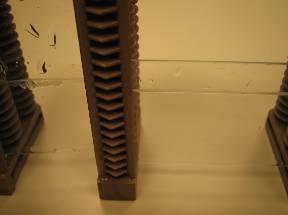
It was found that the silicone gel soaked under the SGC04 liquid surface (below the horizontal line indicated by the arrow in the right picture), was completely washed, and there was no residual glue.
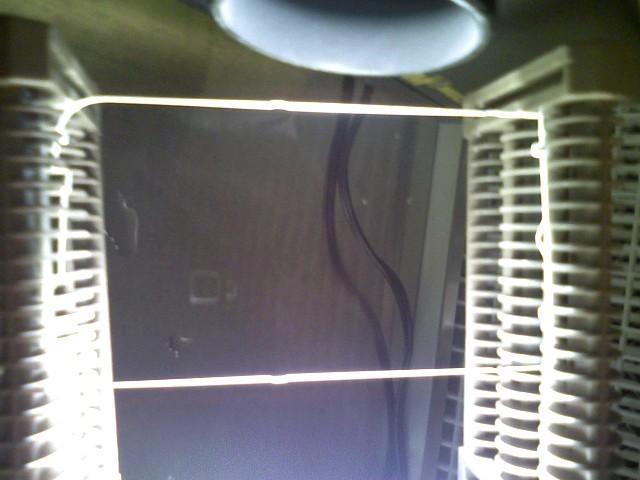
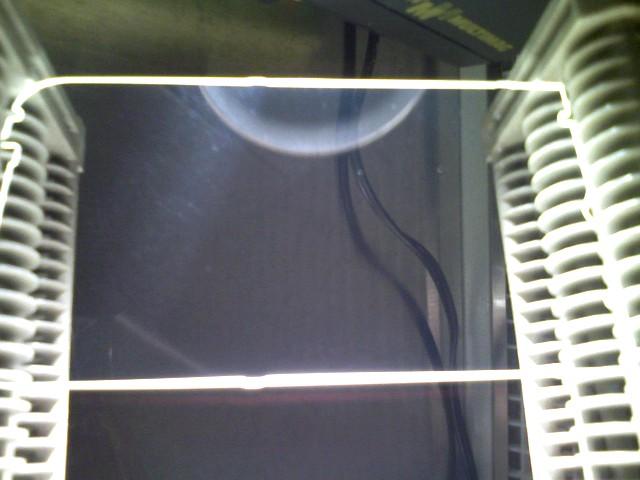
Repeat the test. After pre-soaking with SGC04 at 50°C for 1 hour, then wash with SGC04 at 50°C, 50W/L 40KHz, ultrasonic waves for 10 minutes, and spray clean with 6Kg/cm2 high-pressure pure water. Observing under strong light, it is found that the silicone rubber has been completely washed, and there is no residual glue left.
Xiwei TM Silicone Cleaner SGC04 is used in the silicone sealant removal test and hardened ink cleaner ACHM04-Aplus is used in the EPOXY sealant removal test report
before testing.
Test the appearance of the workpiece, from left to right are silicone rubber, PU, EPOXY sealant.
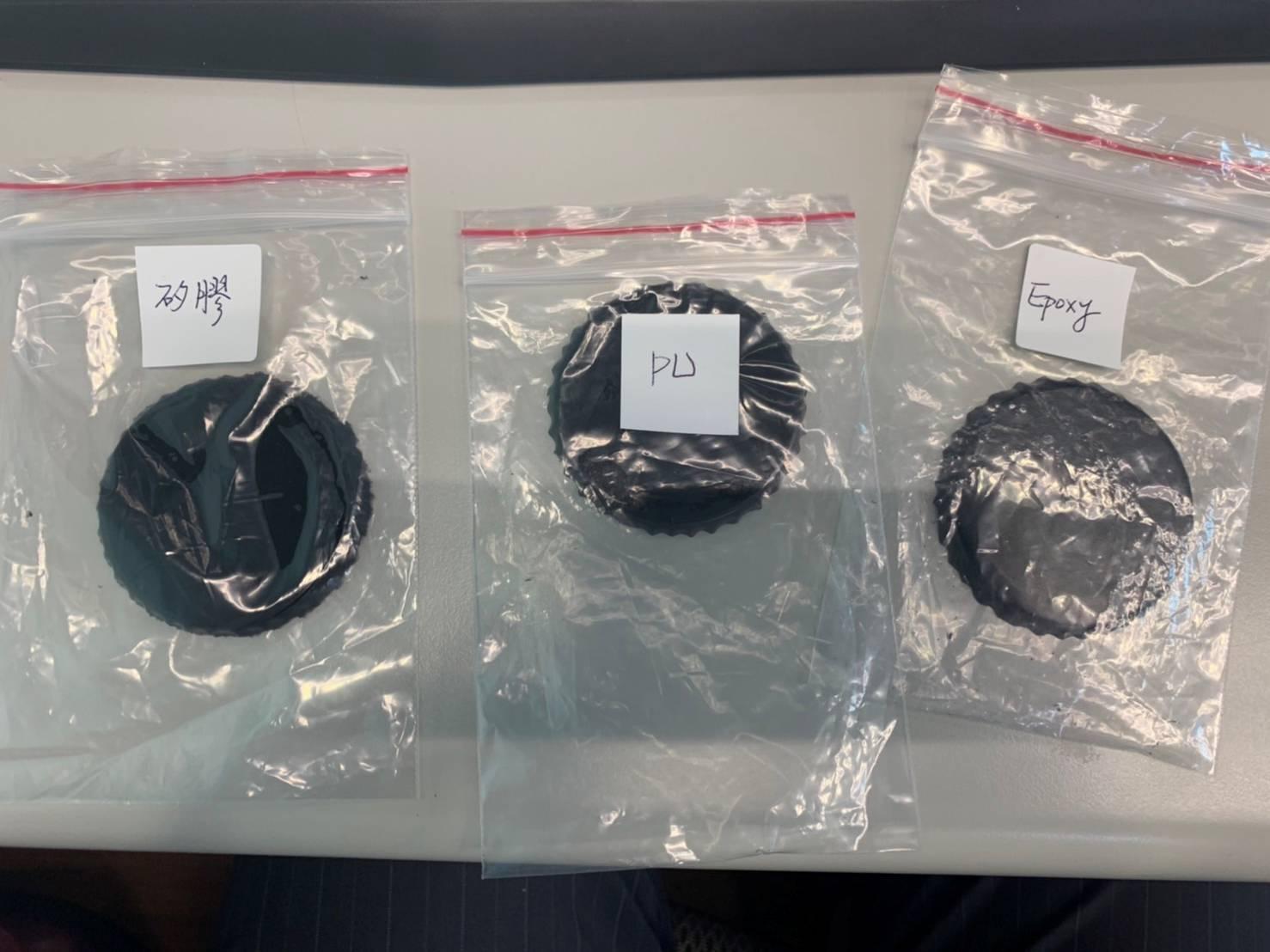
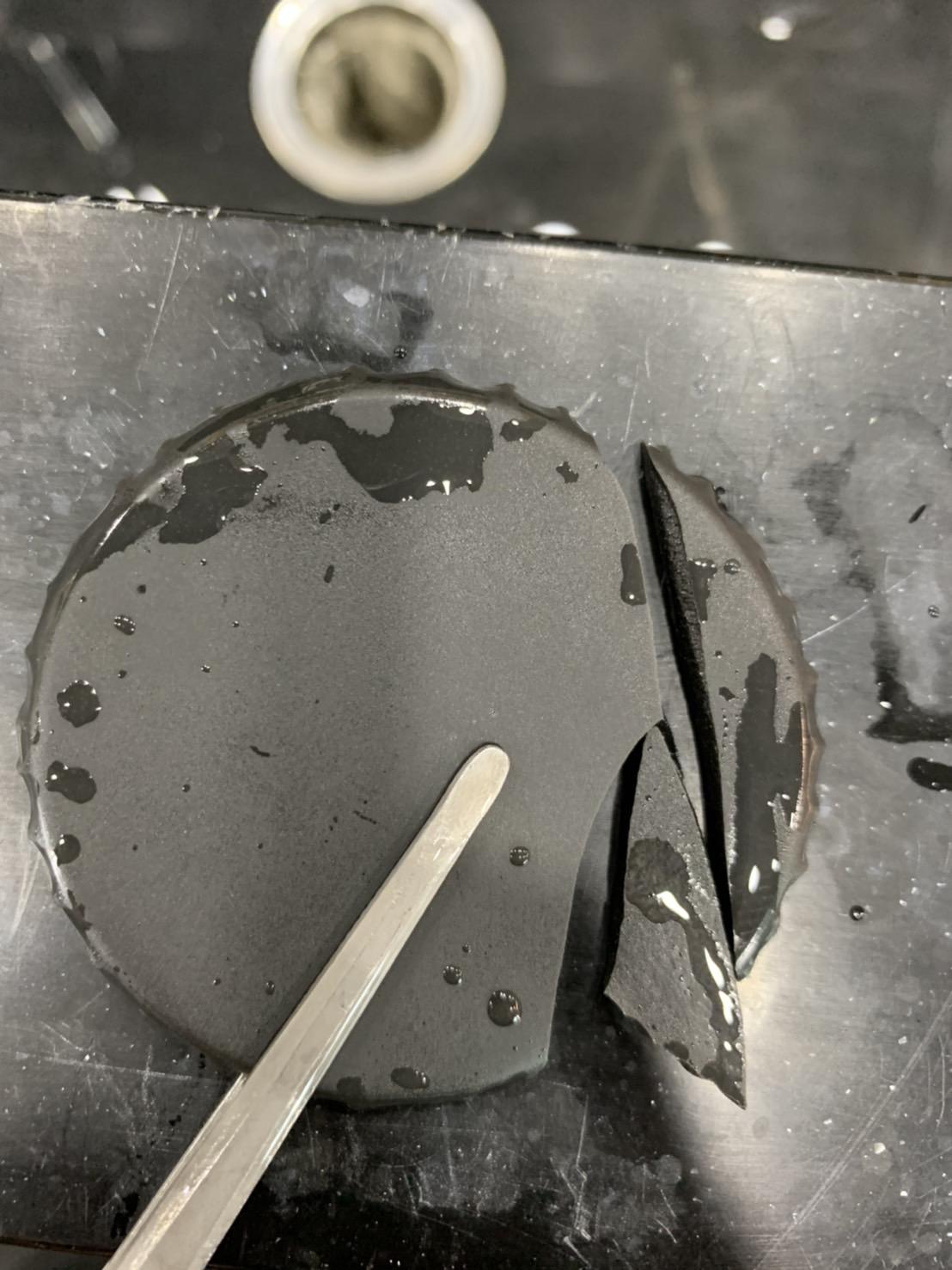
Put the silicone sealant in the silicone cleaning agent SGC04 and soak it at room temperature for 72 hours. It was found that the surface of the silicone rubber was soft and rotten. There are many decomposed silica gels leached out.
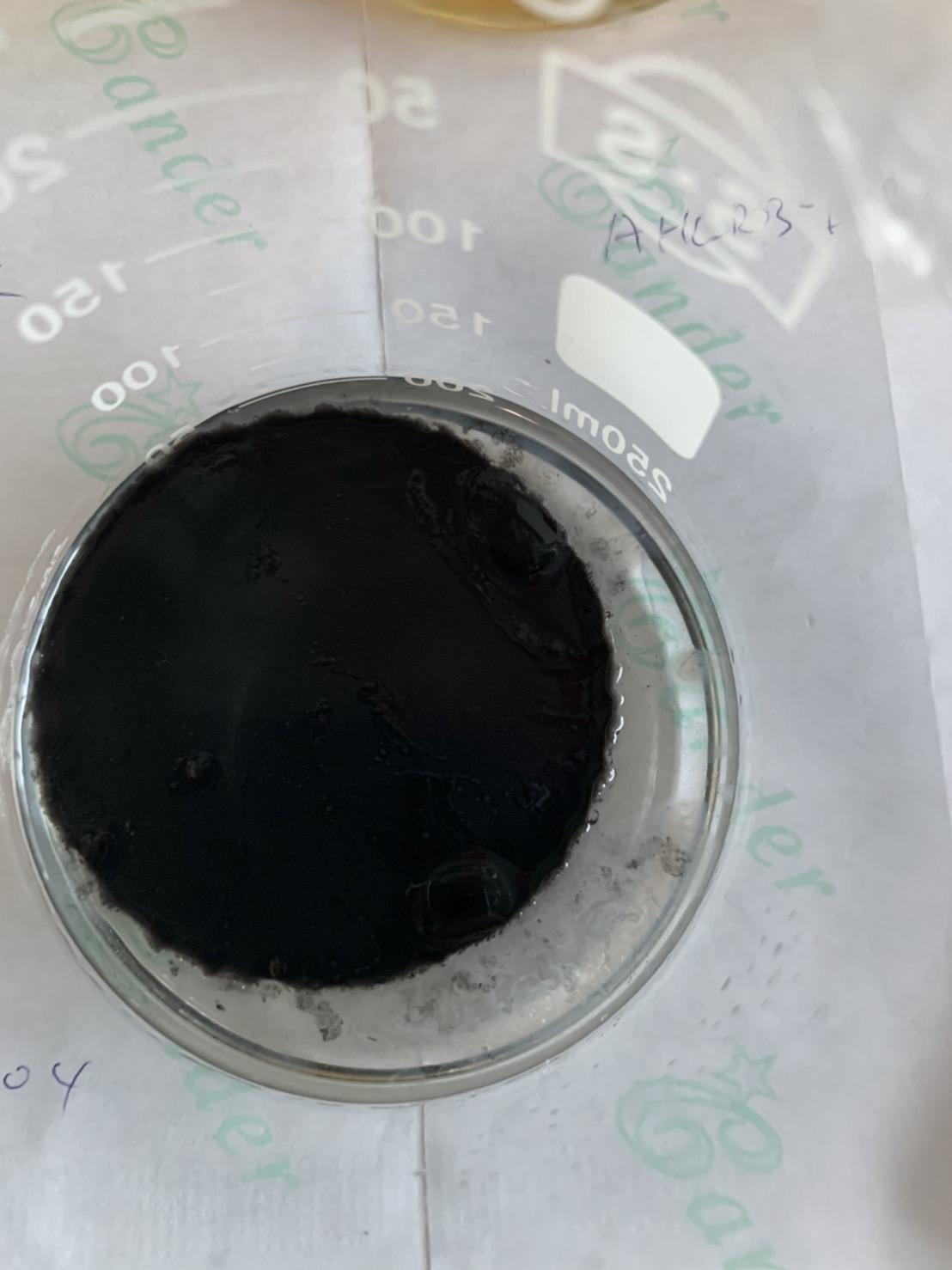
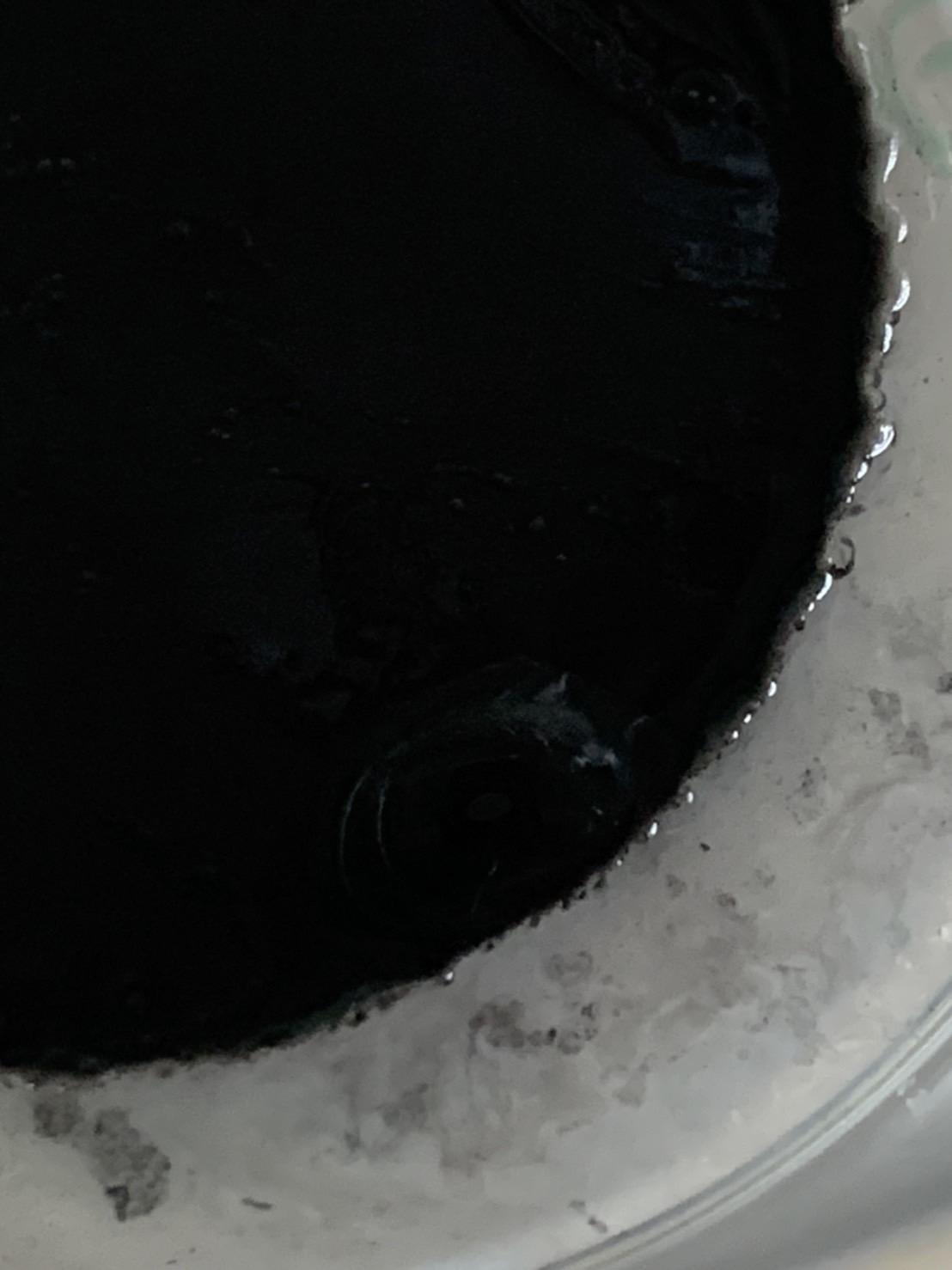
Take out the silicone and find that the surface of the silicone is soft and rotten. You can easily scrape out a thickness of about 2~3mm with a clip.
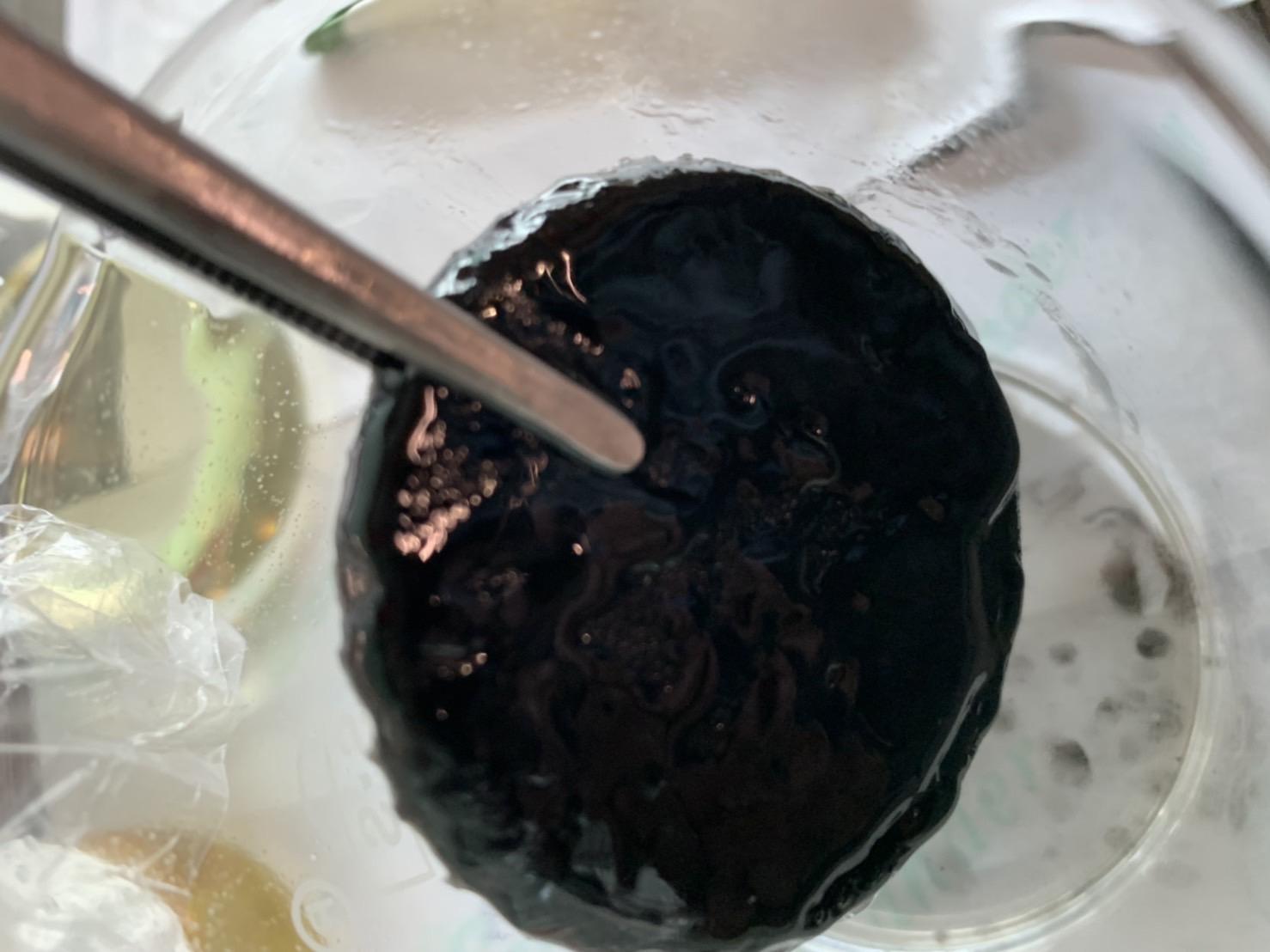
Put the PU sealant and EPOXY sealant into the hardened ink cleaning agent ACHM04-Aplus, take the EPOXY sealant out of the ACHM04-Aplus after 72 hours, and found that the surface of the EPOXY sealant has become brittle. The whole has warped and deformed. The surrounding can be easily clipped off with clips.
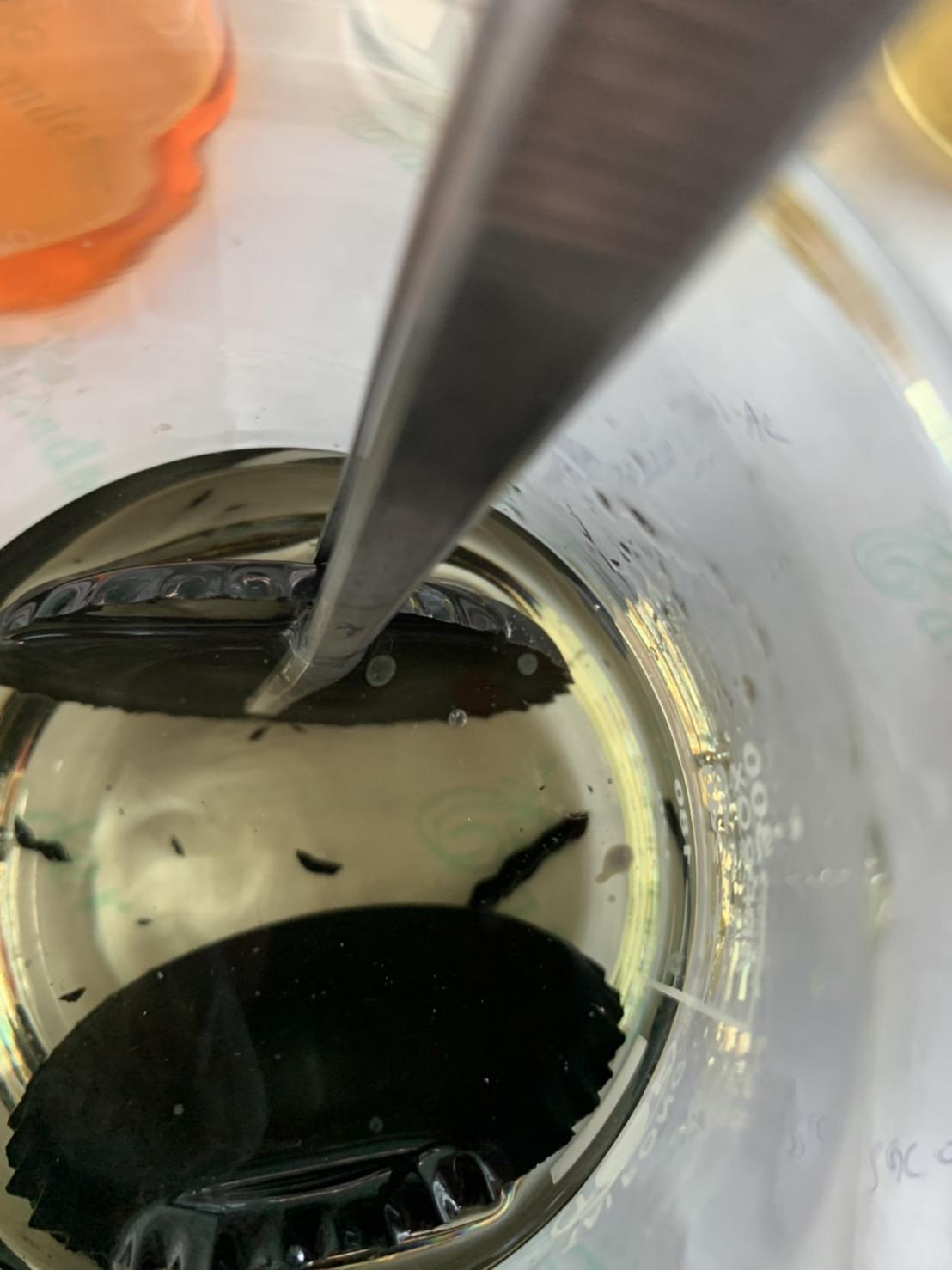
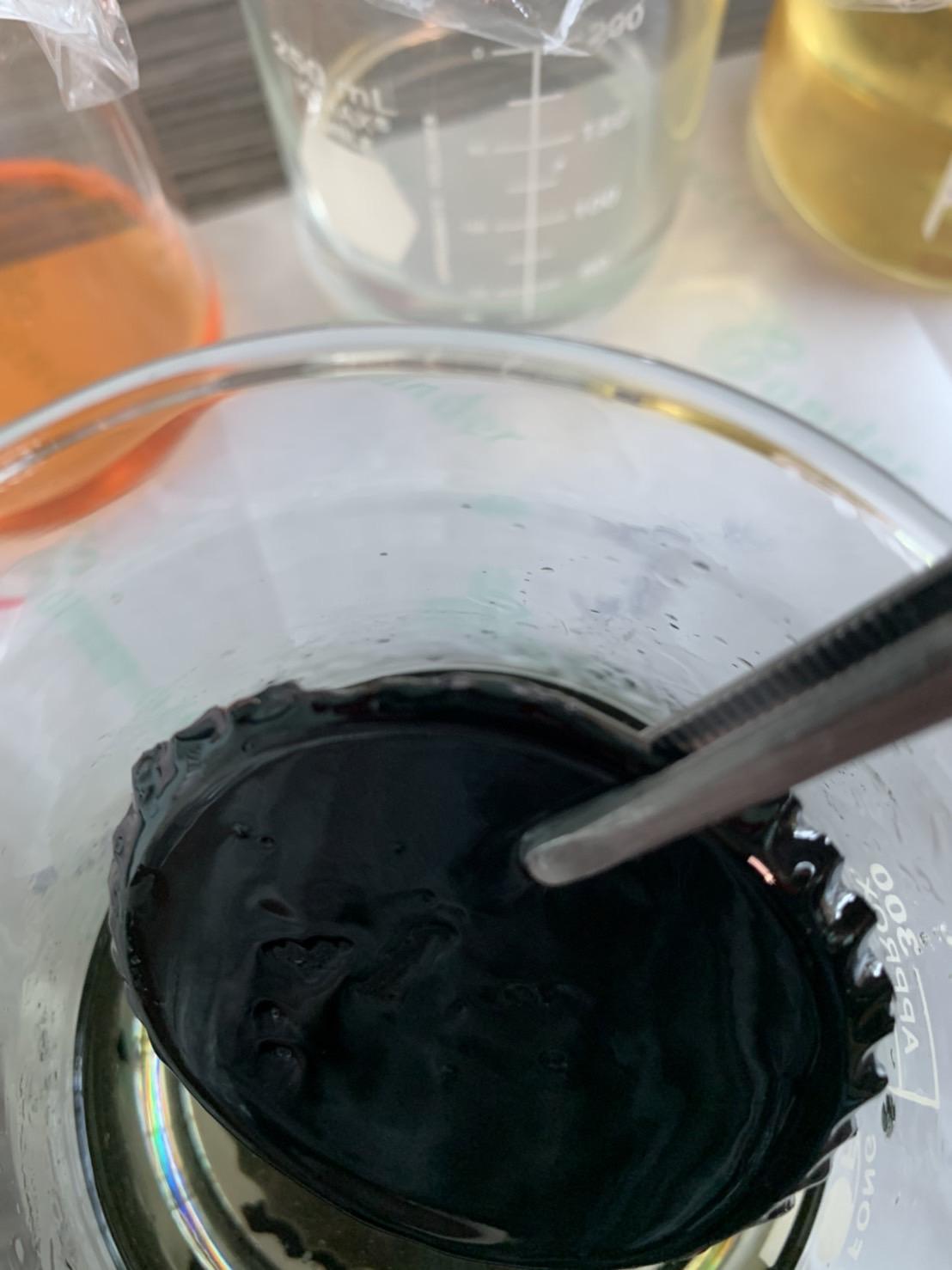
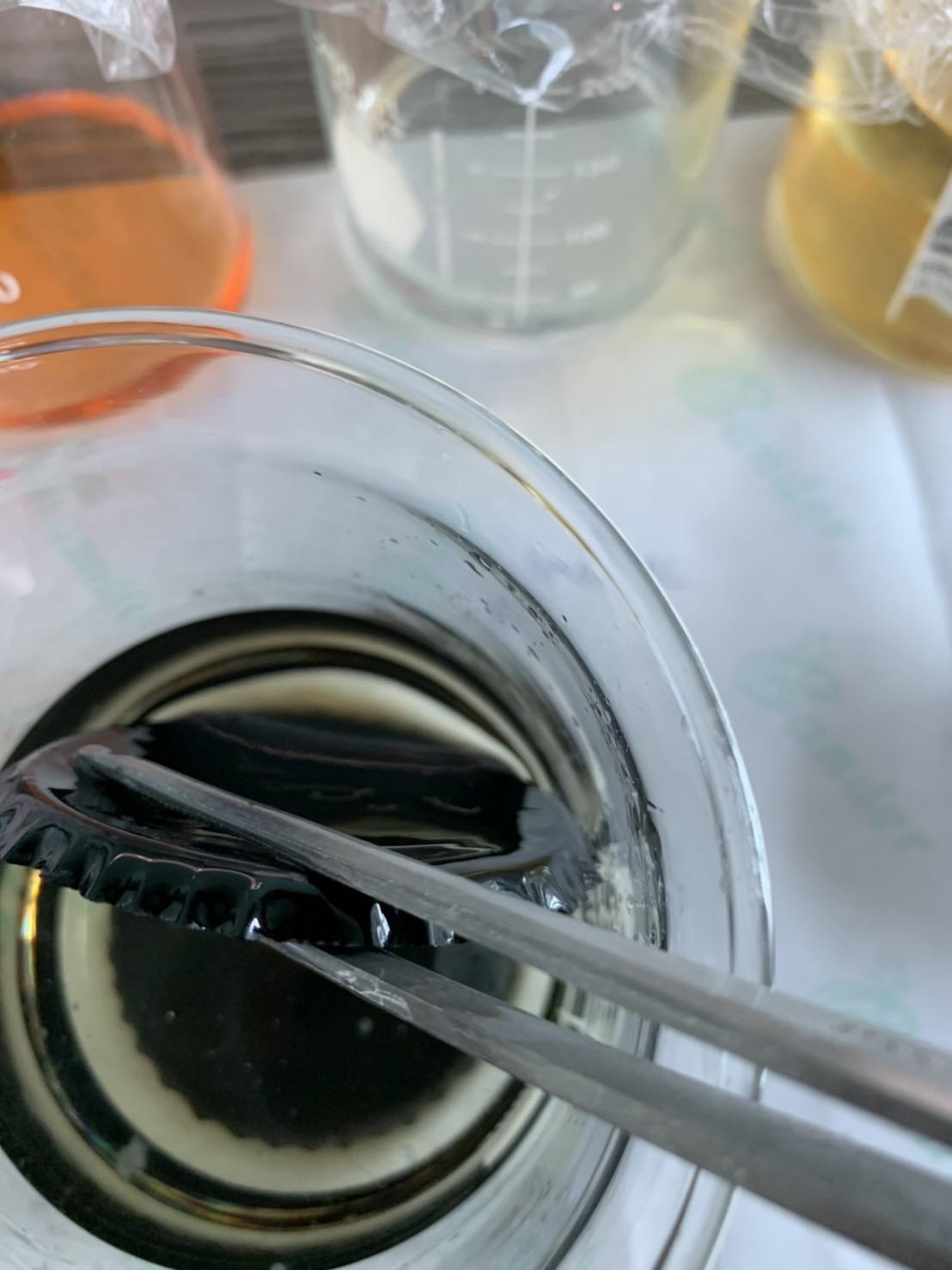
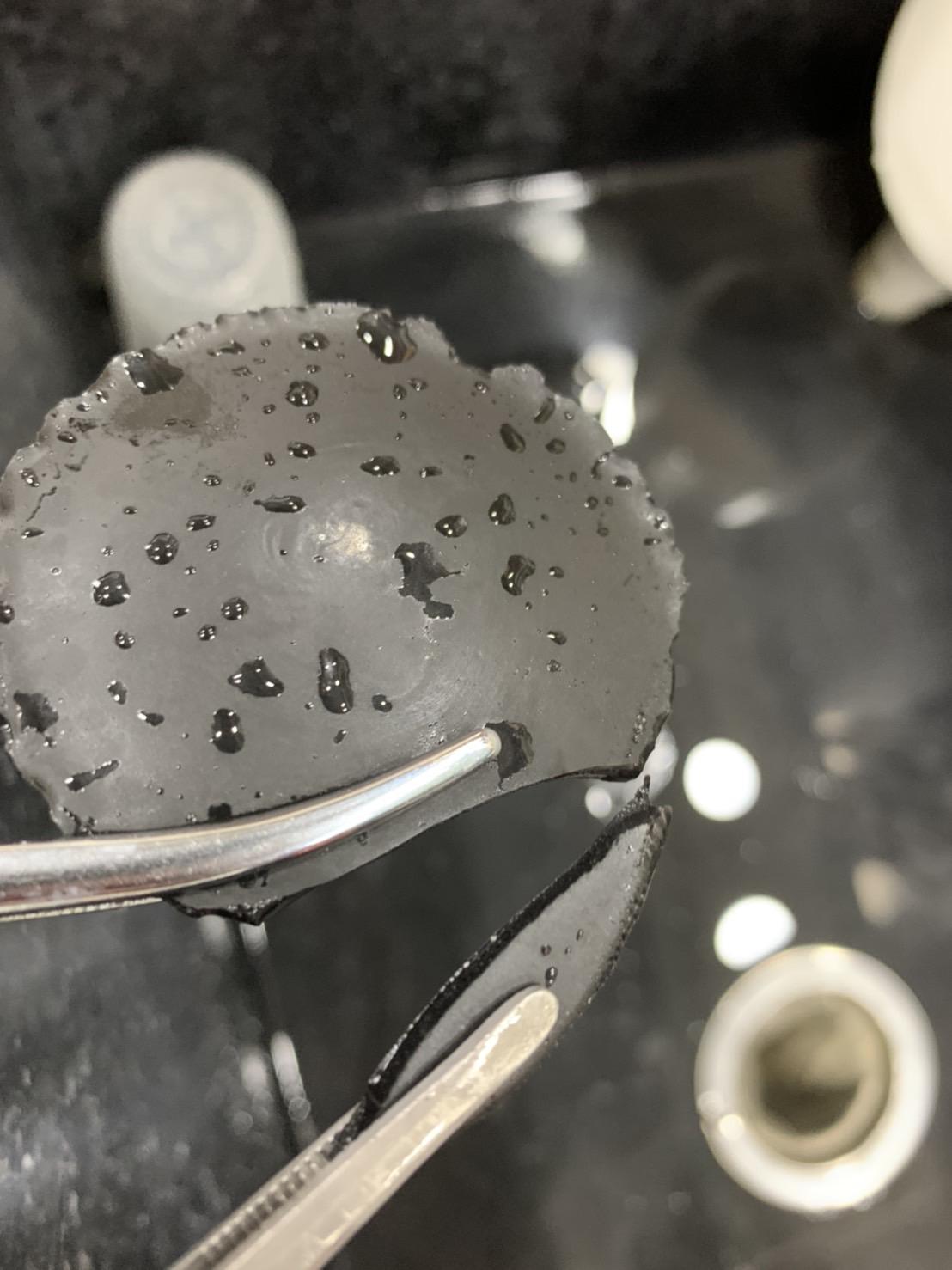
After taking out the Epoxy sealant and washing it with clean water, it was found that it can be easily pinched off with tweezers, which shows that the Epoxy structure has been brittle.
After 72 hours, the PU sealant was taken out from the ACHM04-Aplus, and it was found that the PU sealant did not change significantly.
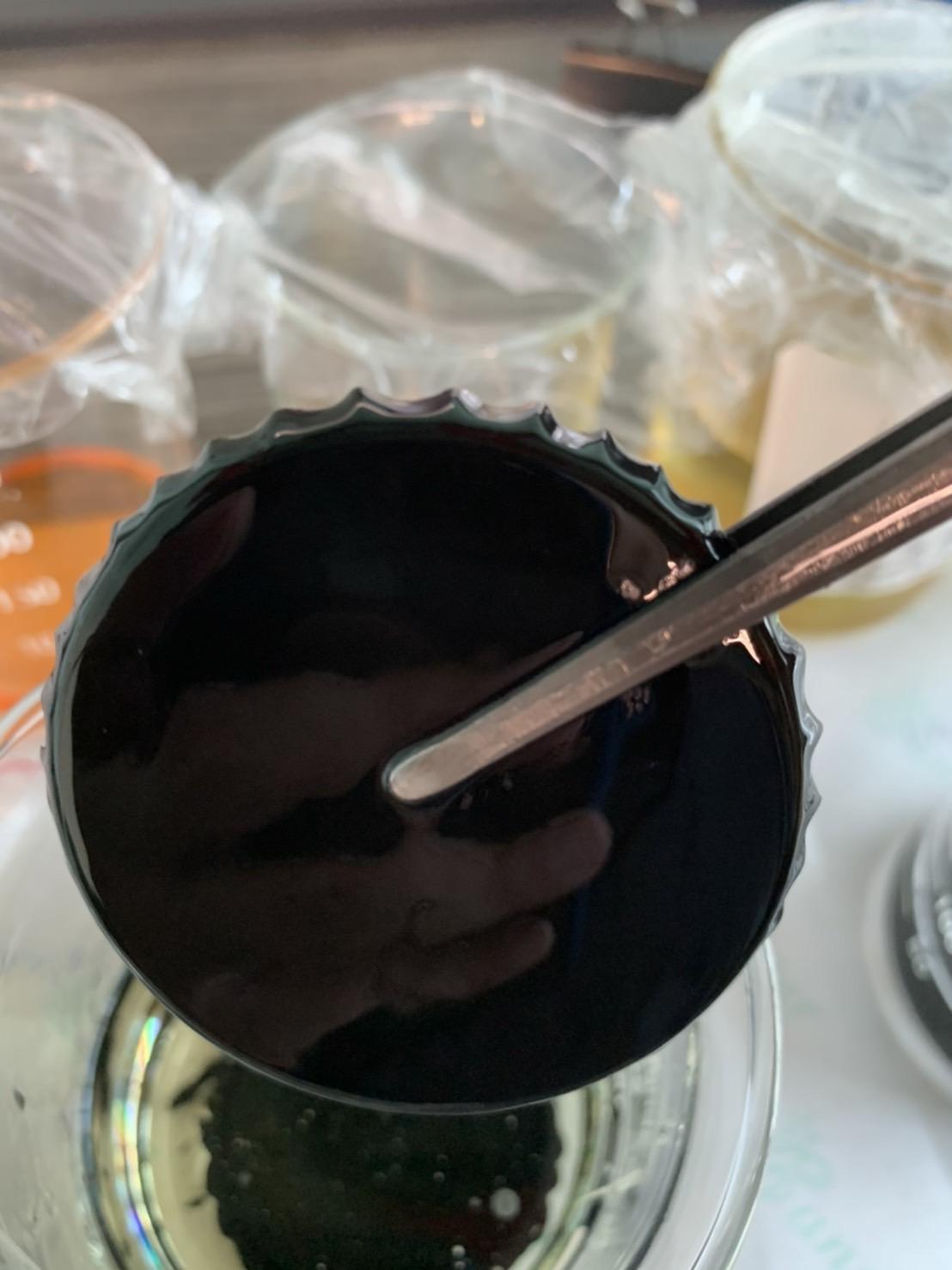
However, after washing the removed PU sealant with clean water, it was found that it could be easily pinched off with tweezers, indicating that the PU structure had become brittle.