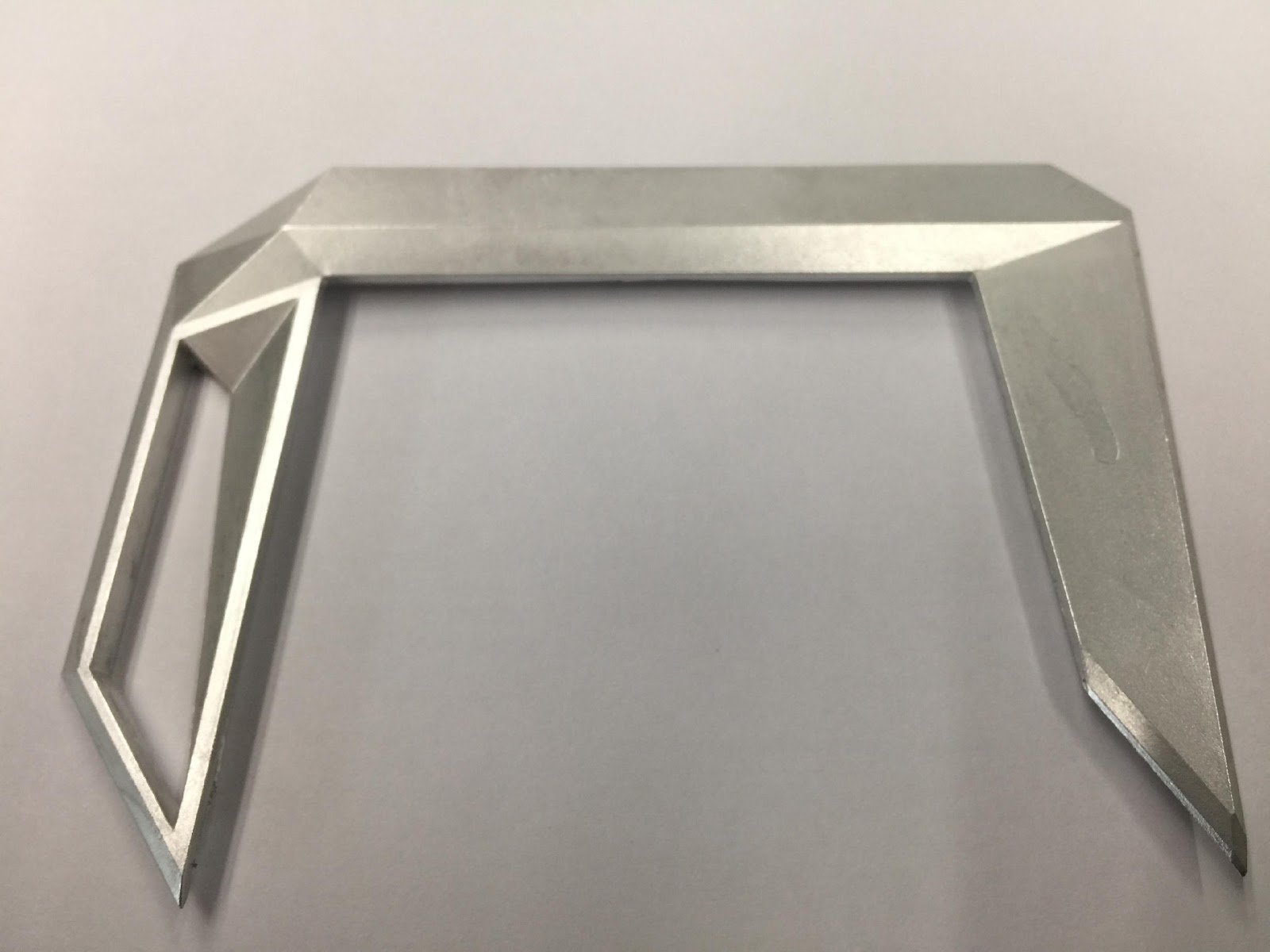
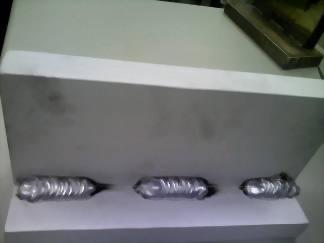
• Silica Film Cleaner

Silica Film Cleaner

Model : SMC04

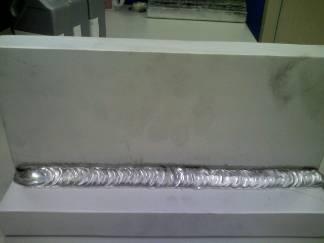
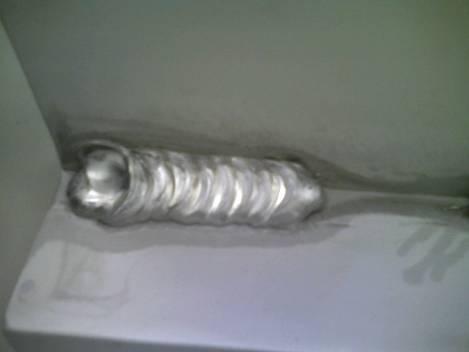
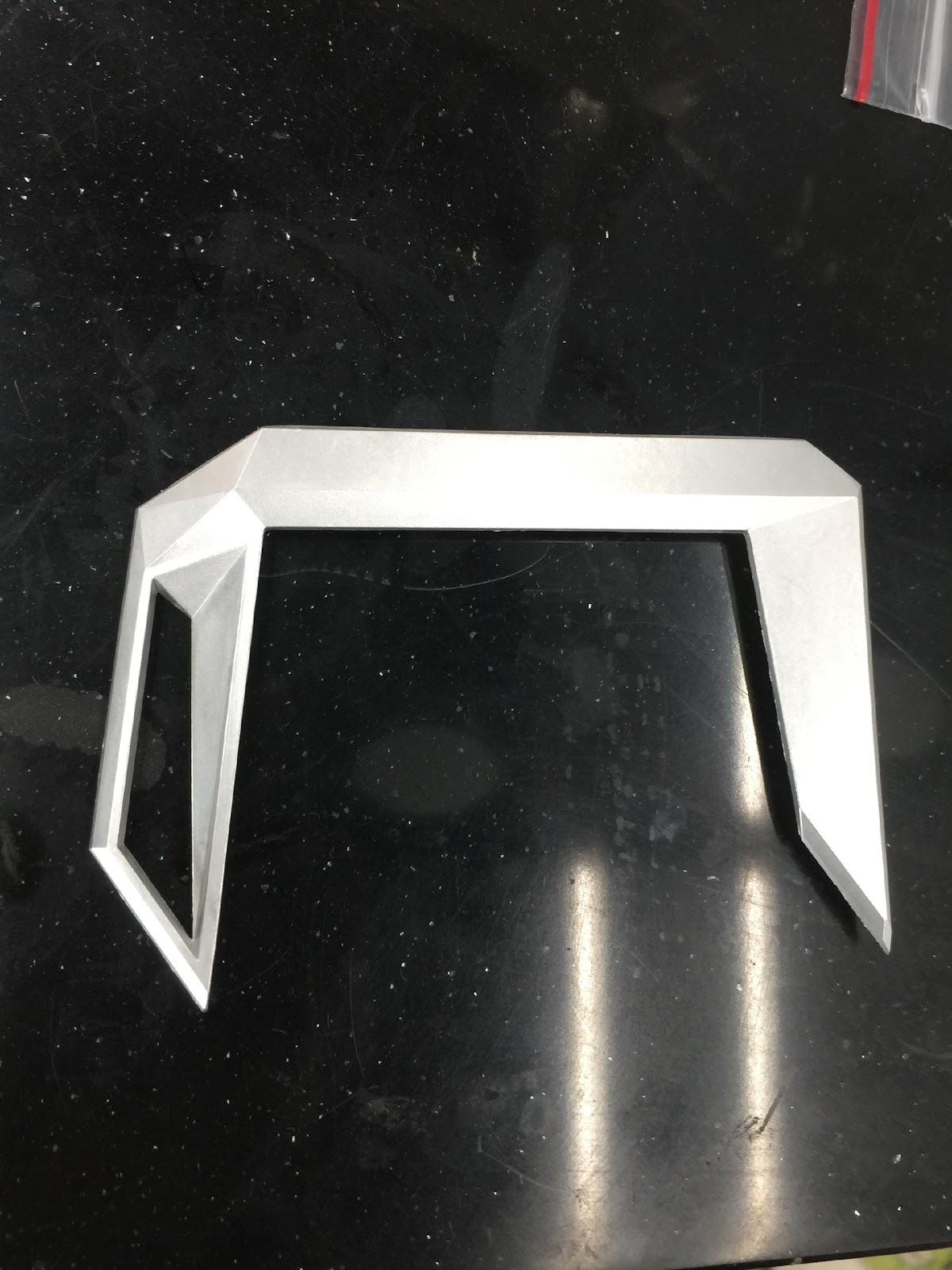
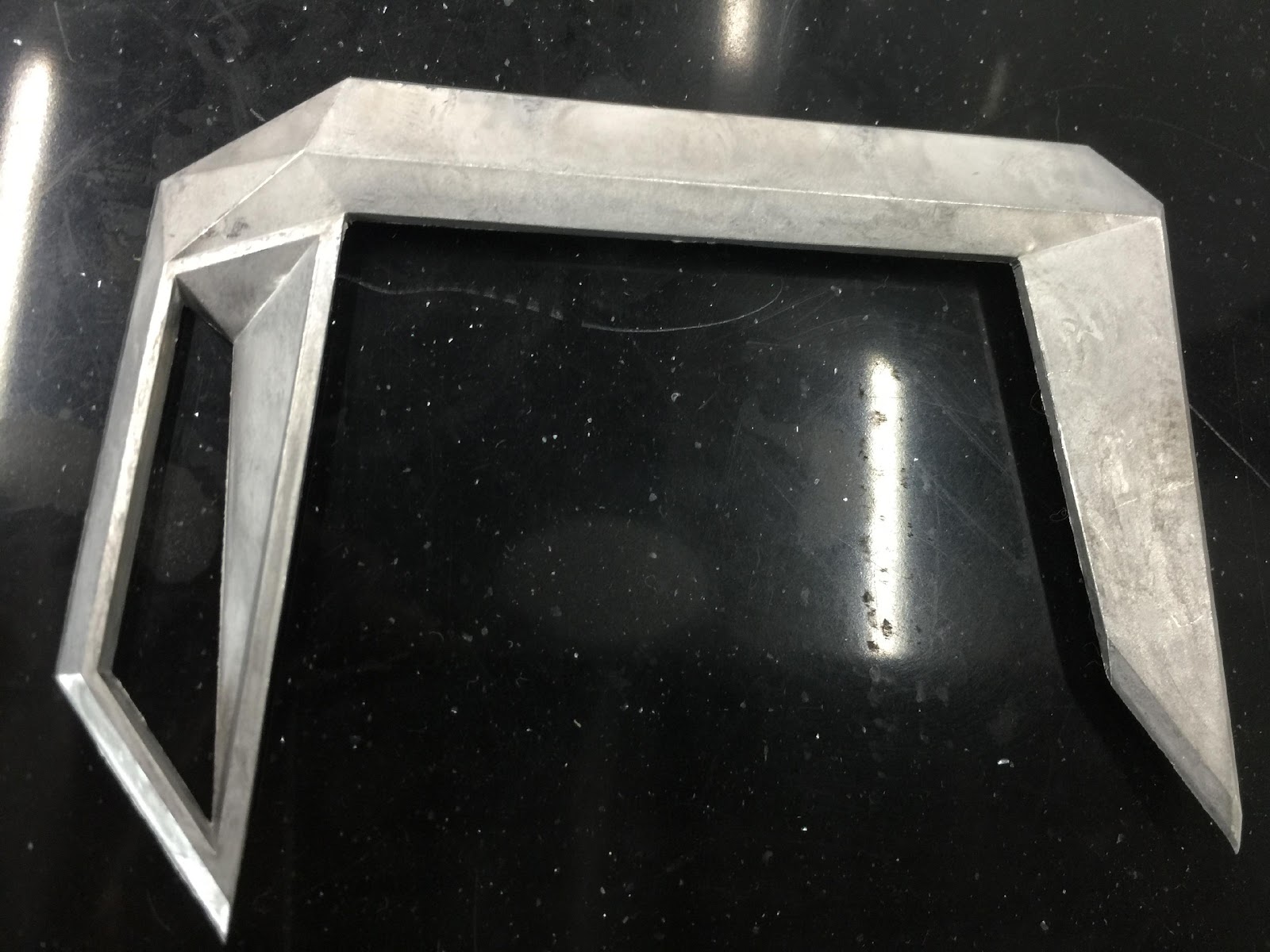
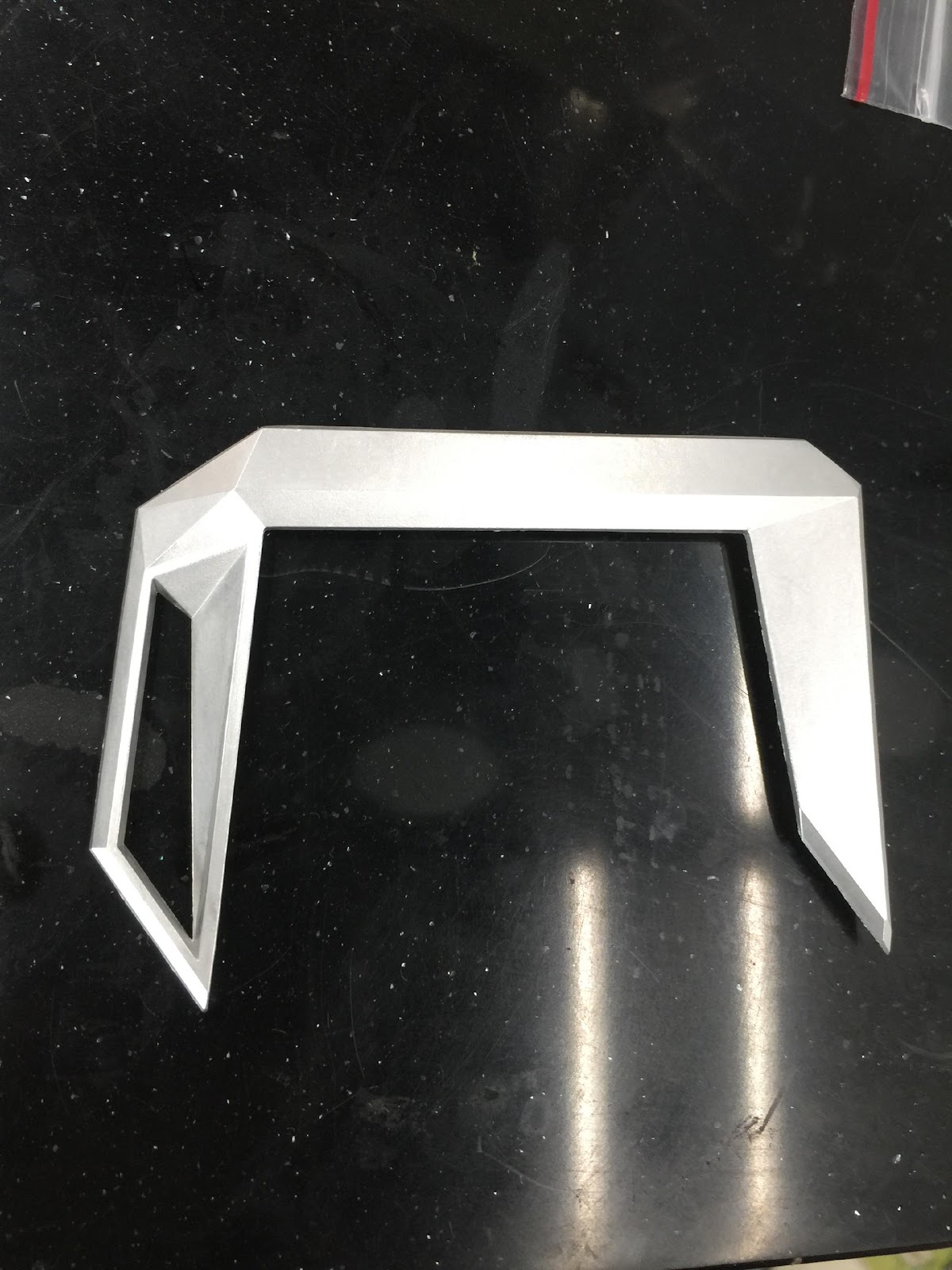
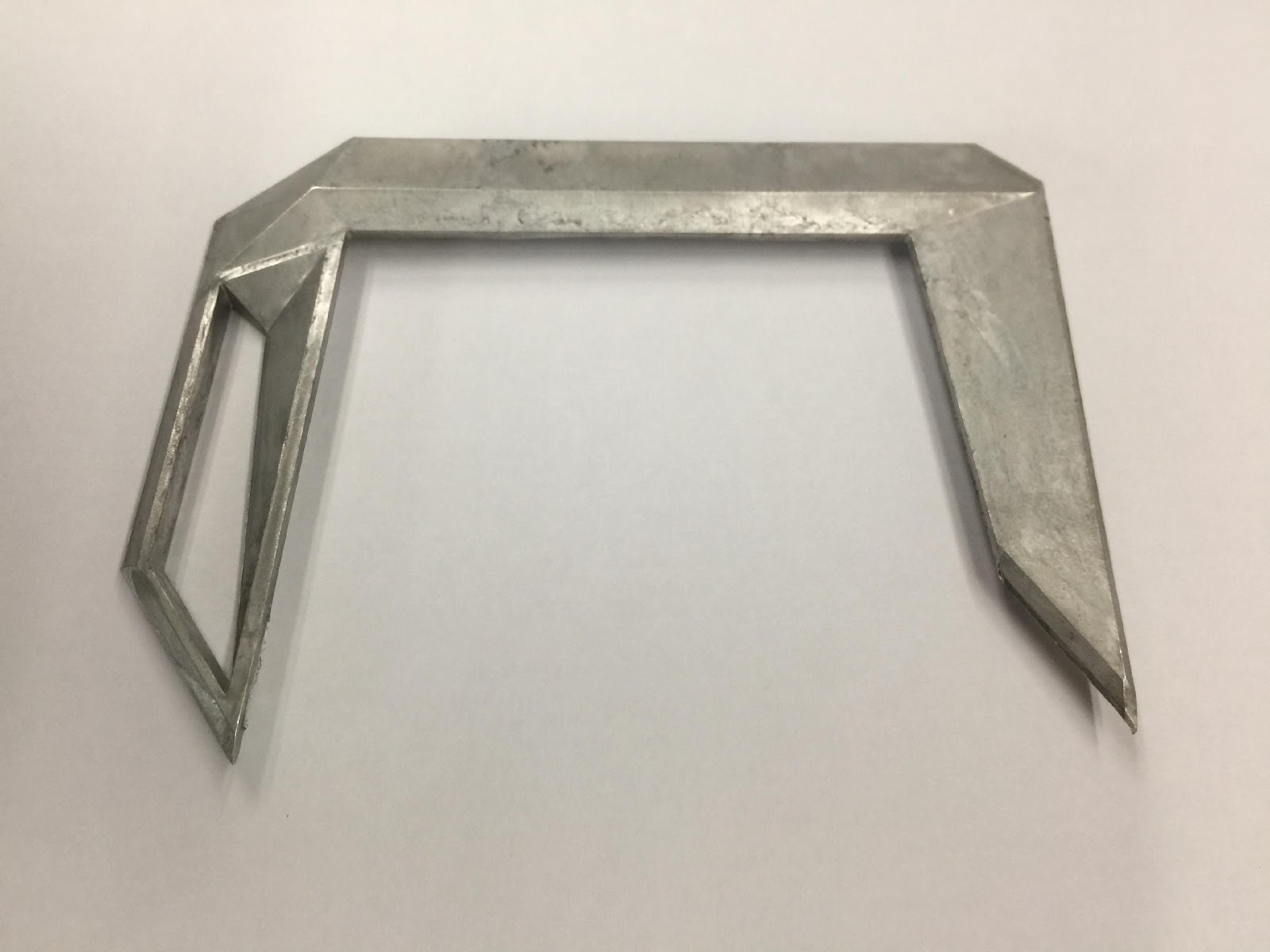
Silicon dioxide thin film cleaner SMC04 (pH 5.0) was applied to aluminum alloy weld bead to remove scorch test report

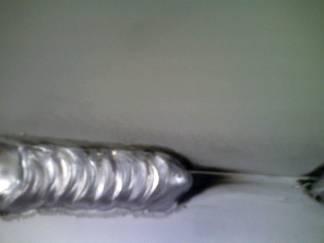
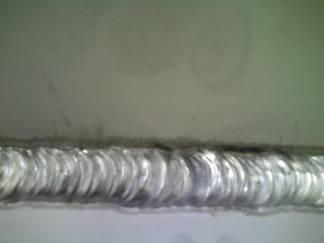
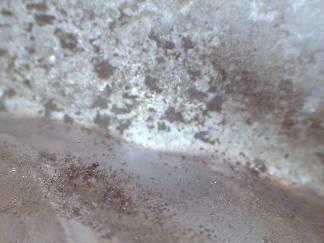
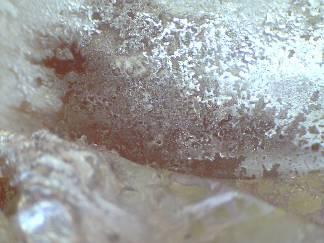
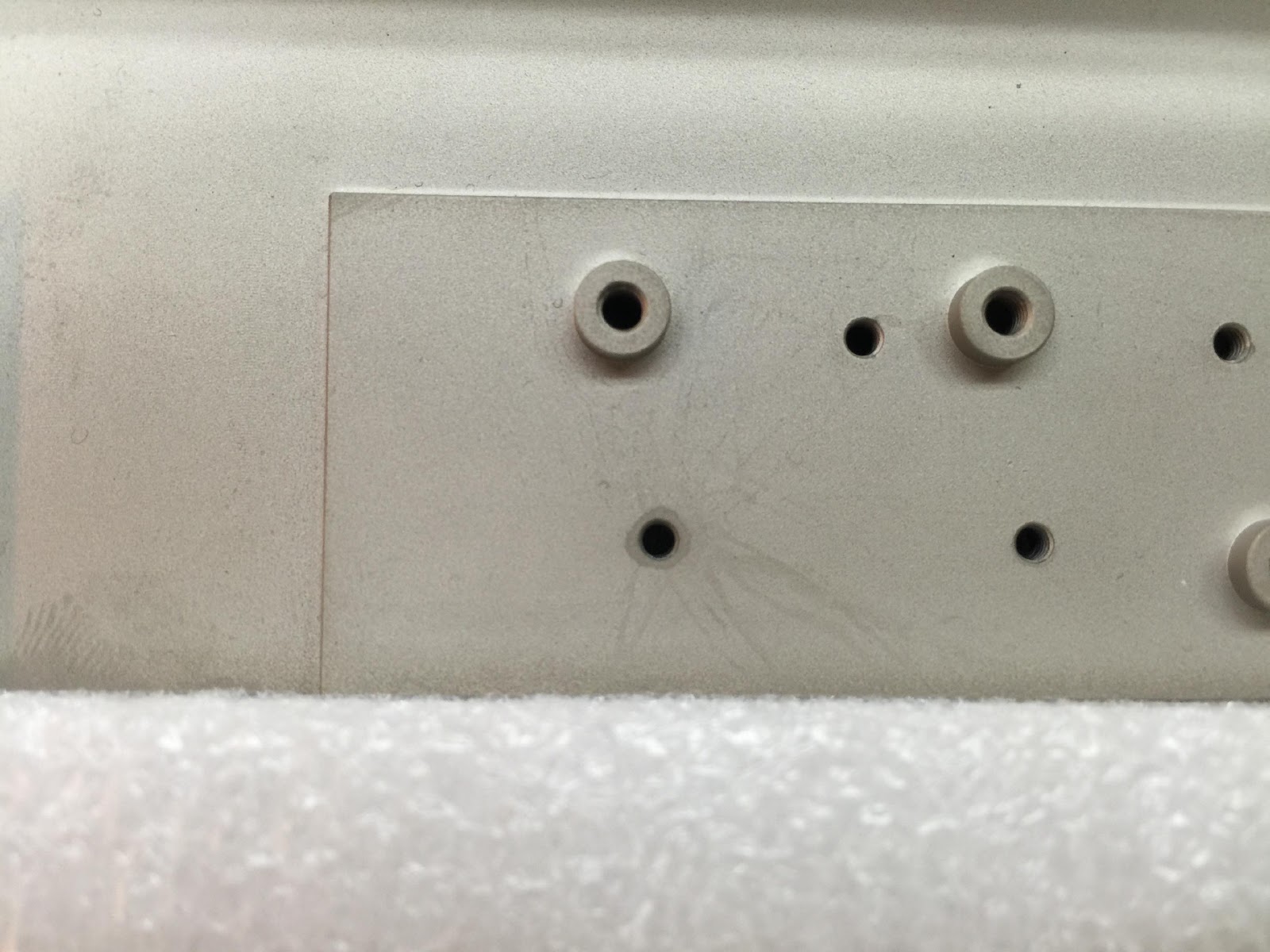
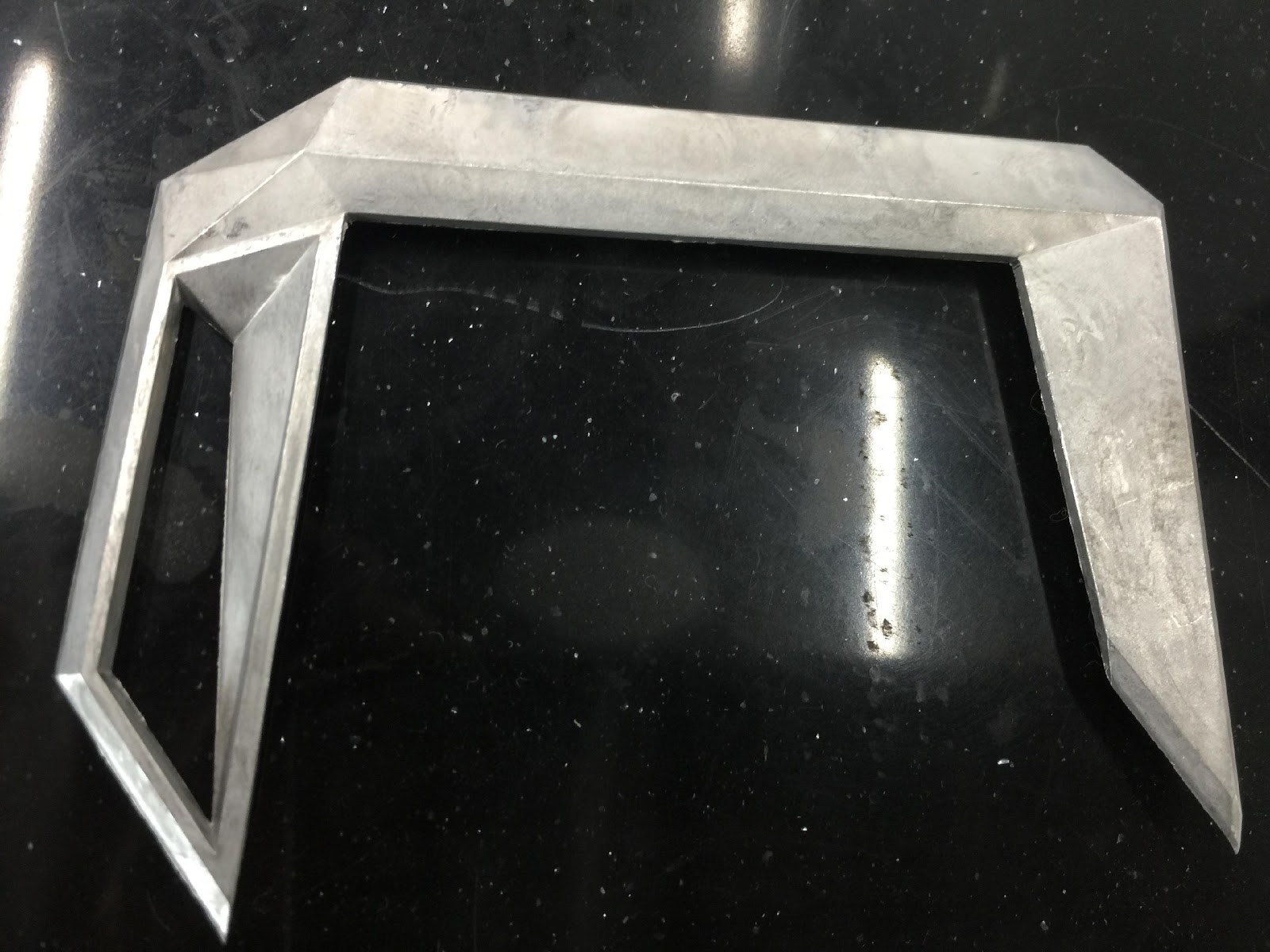
  1. Before cleaning, the scorch marks left by the welding can be clearly seen.
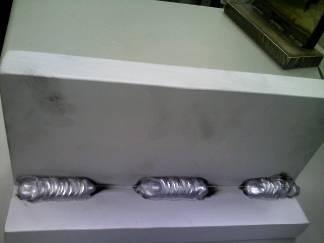
    image01.jpg

    image02.jpg

    Zoom in to see:

    image03.jpg

    image04.jpg

    Observe with a microscope:

    image05.jpg

    image06.jpg

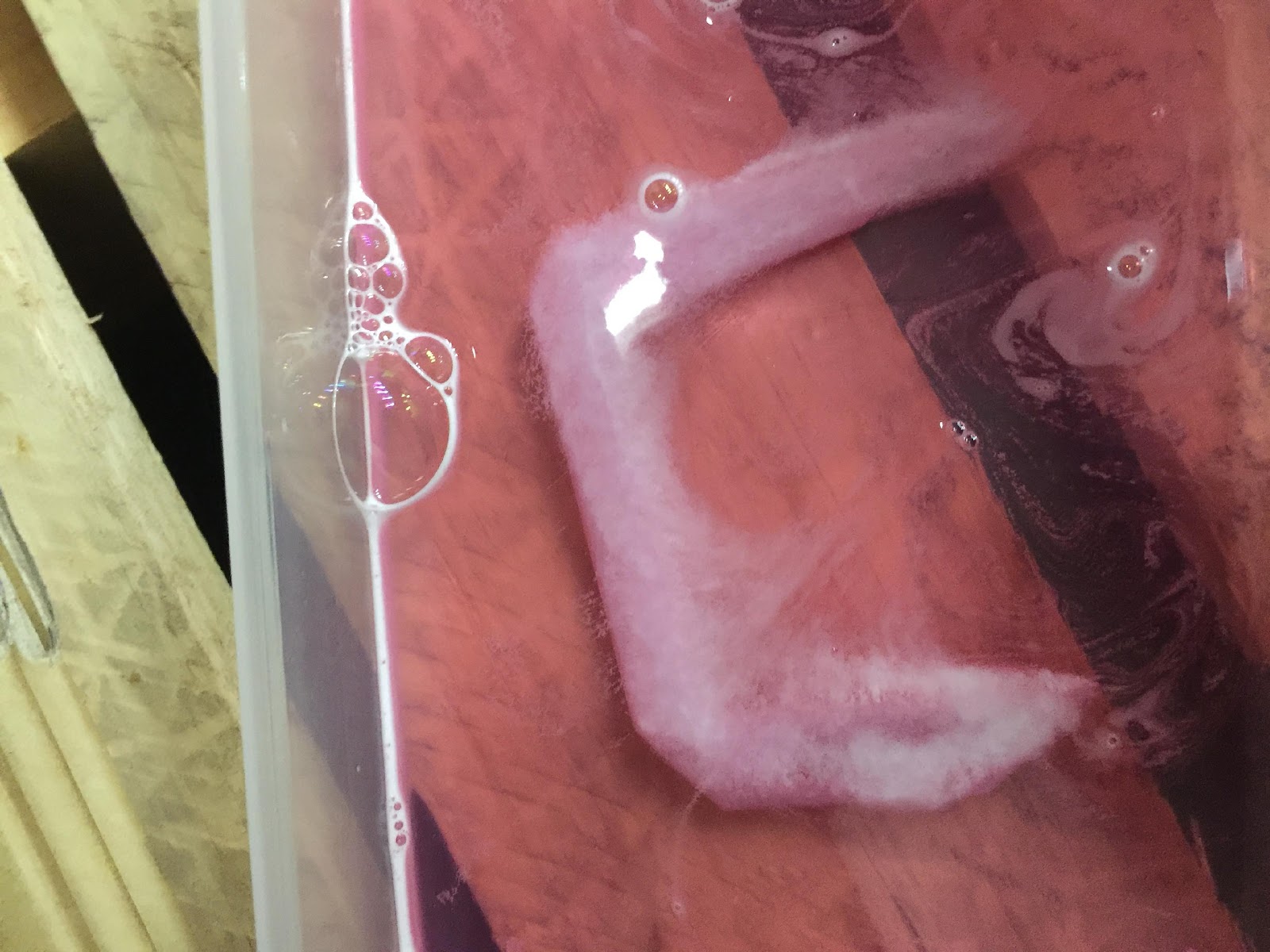
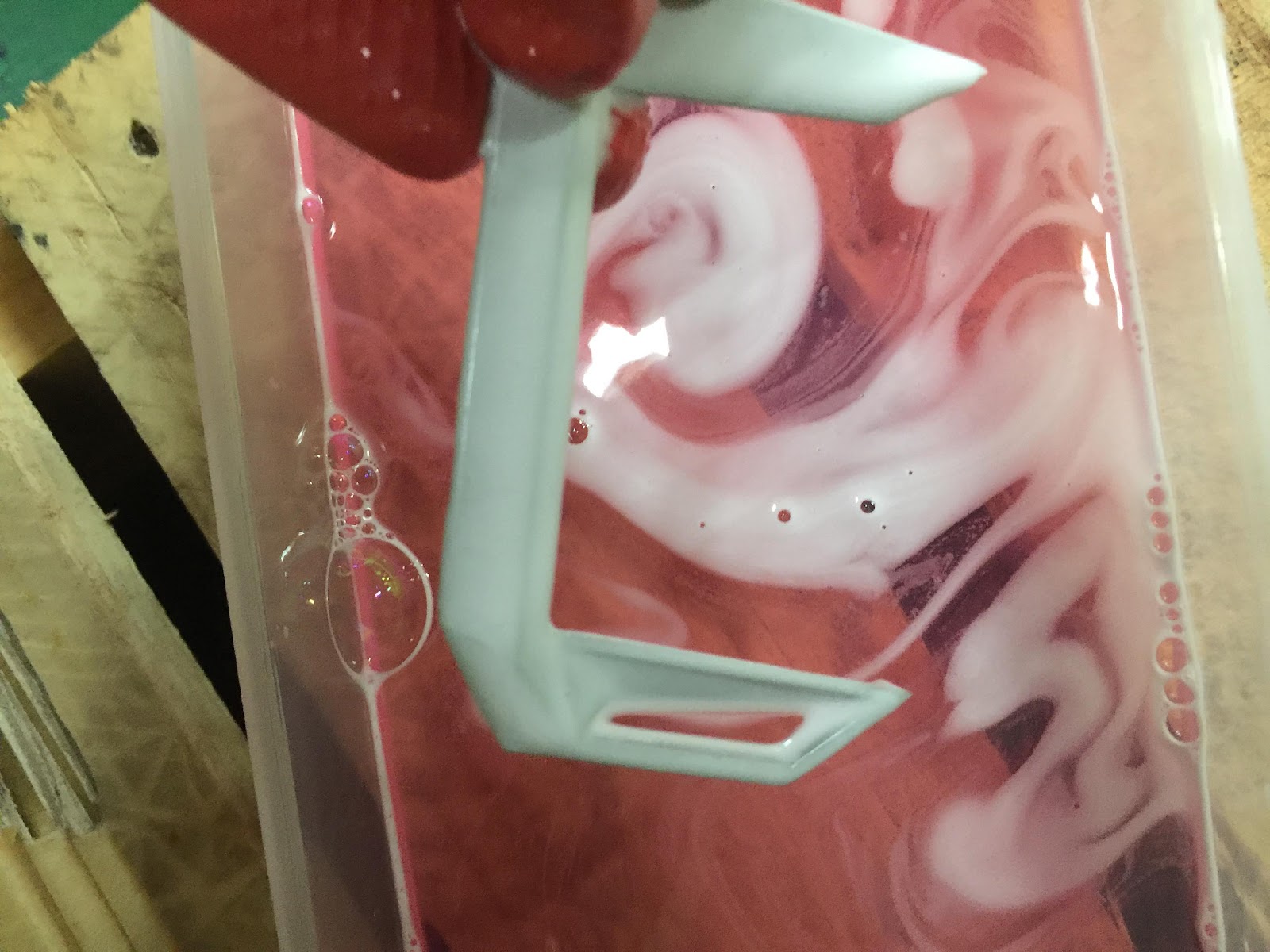
  2. Dip the silicon dioxide film cleaner SMC04 with a red pickle cloth that does not contain emery, and then clean it with water.
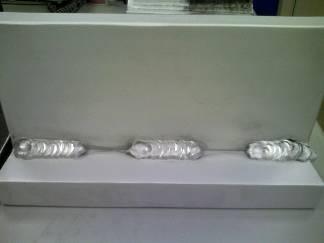
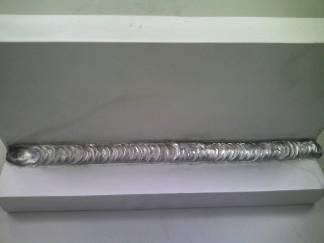
    image07.jpg

    image08.jpg

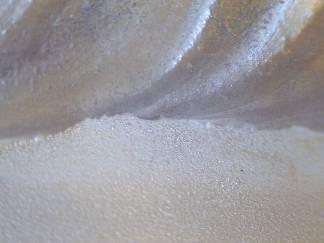
    Zoom in to see:

    image09.jpg

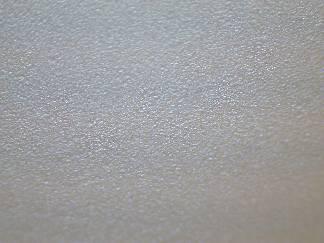
    Observe with a microscope:

    image10.jpg

    image11.jpg

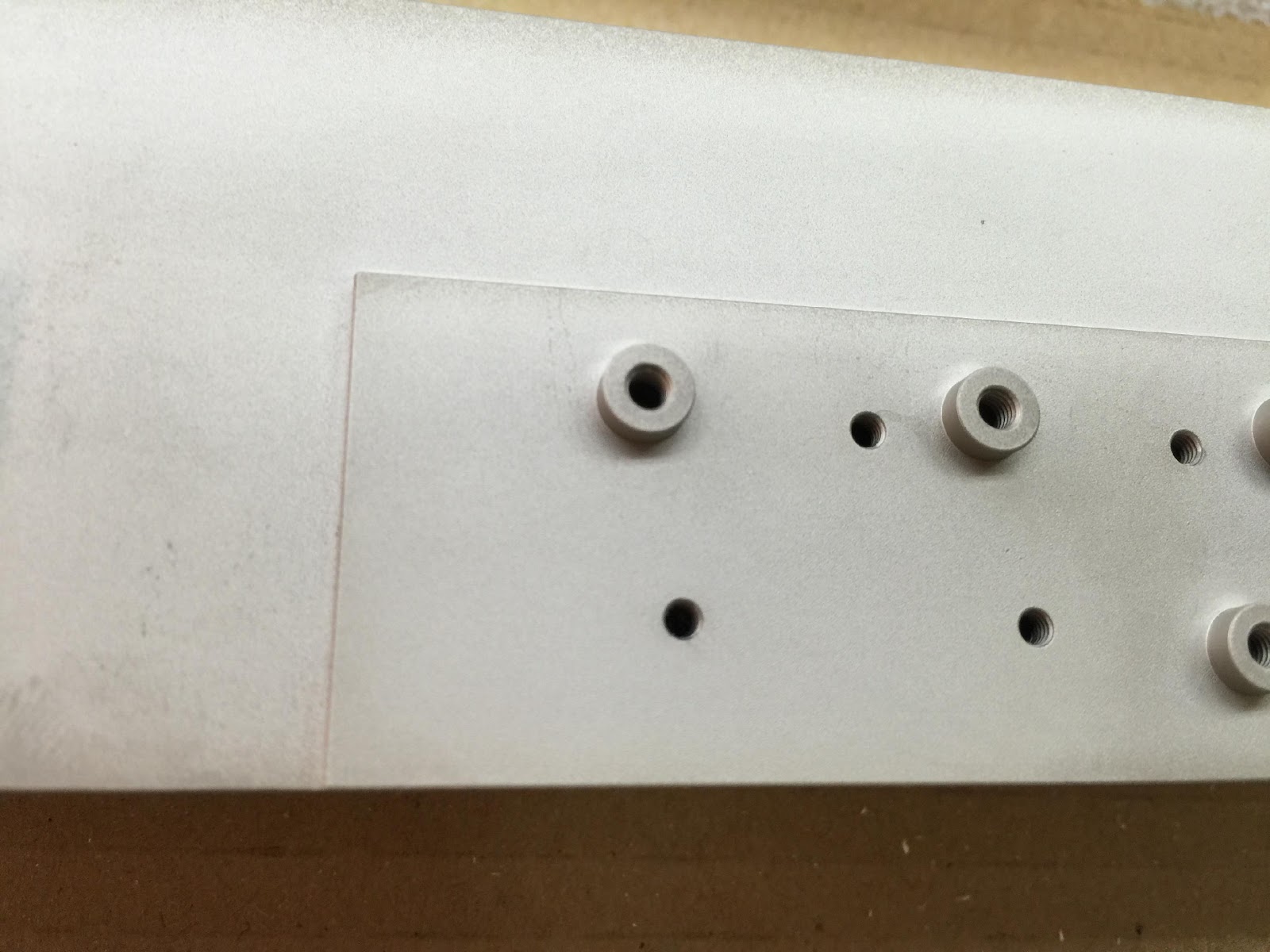
  3. Conclusion: The use of silicon dioxide film cleaner SMC04 can effectively remove the scorch marks left after aluminum alloy welding.

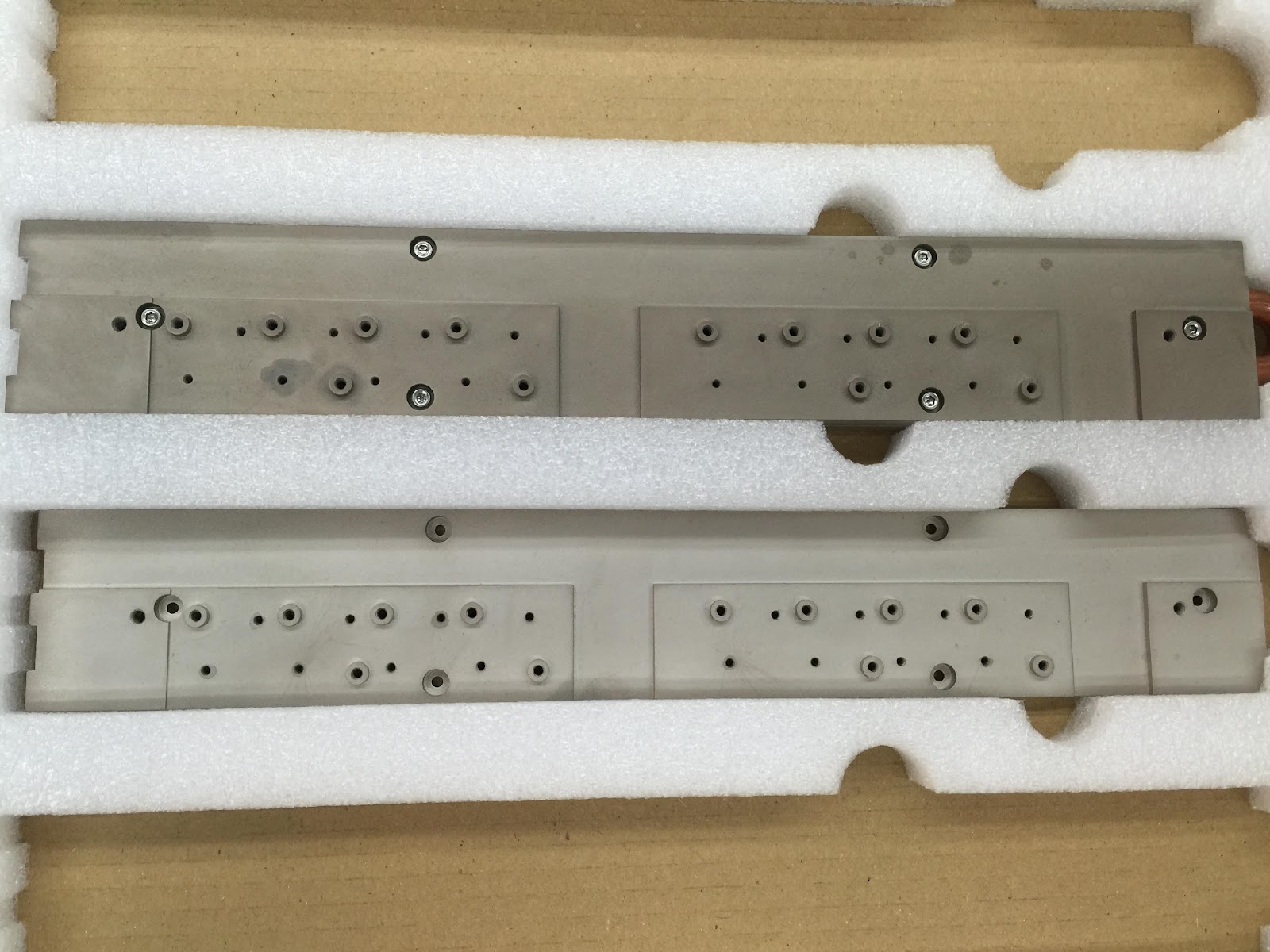
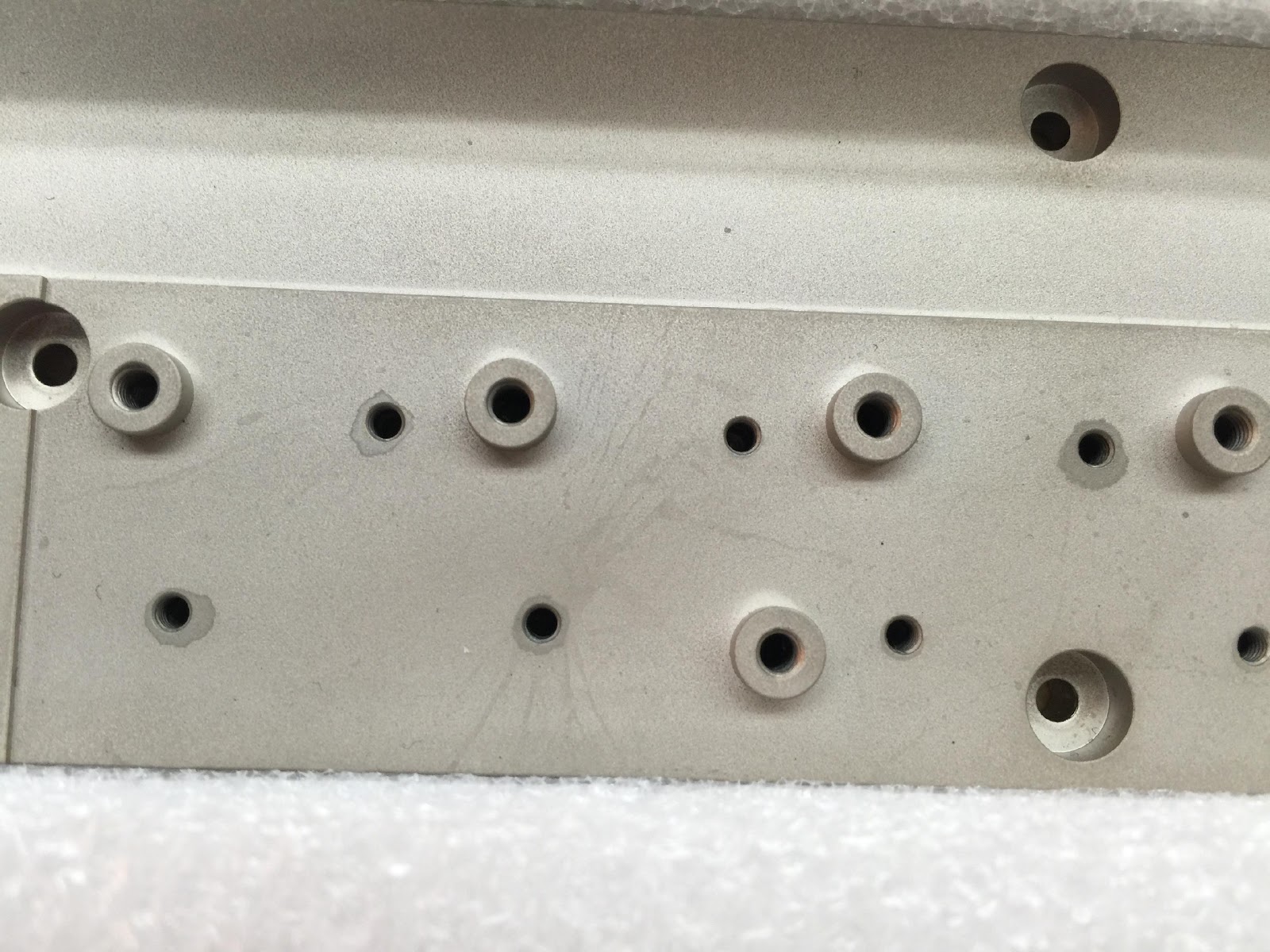
Silicon dioxide thin film cleaner SMC04 (pH 5.0) applied to aluminum alloy water mark removal test report

  1. After the aluminum alloy is subjected to wet sandblasting, the accumulated water in the pores is sprayed off with an air gun, leaving water marks on the surface.

    image12.jpg

    image13.jpg

    image14.jpg

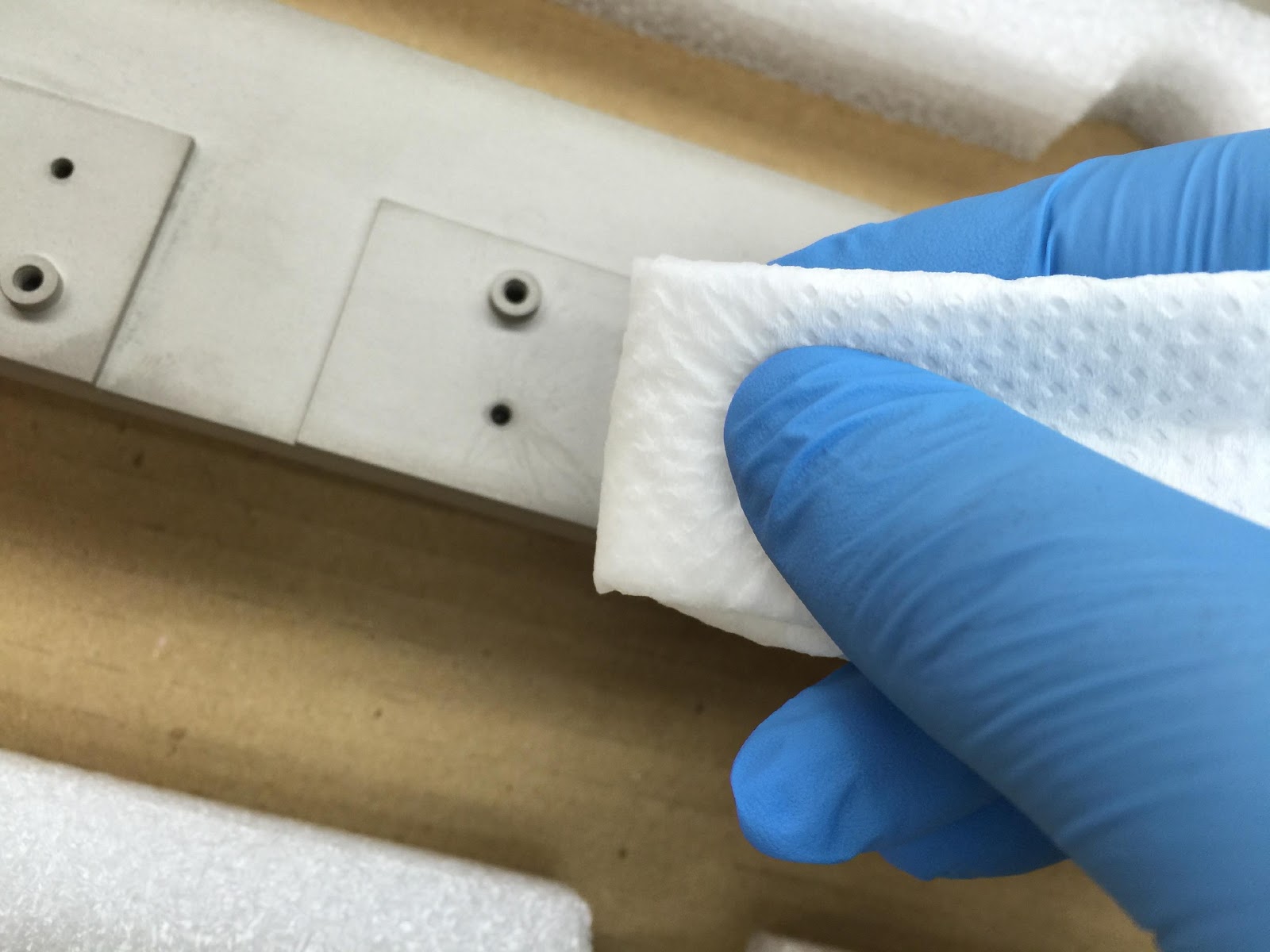
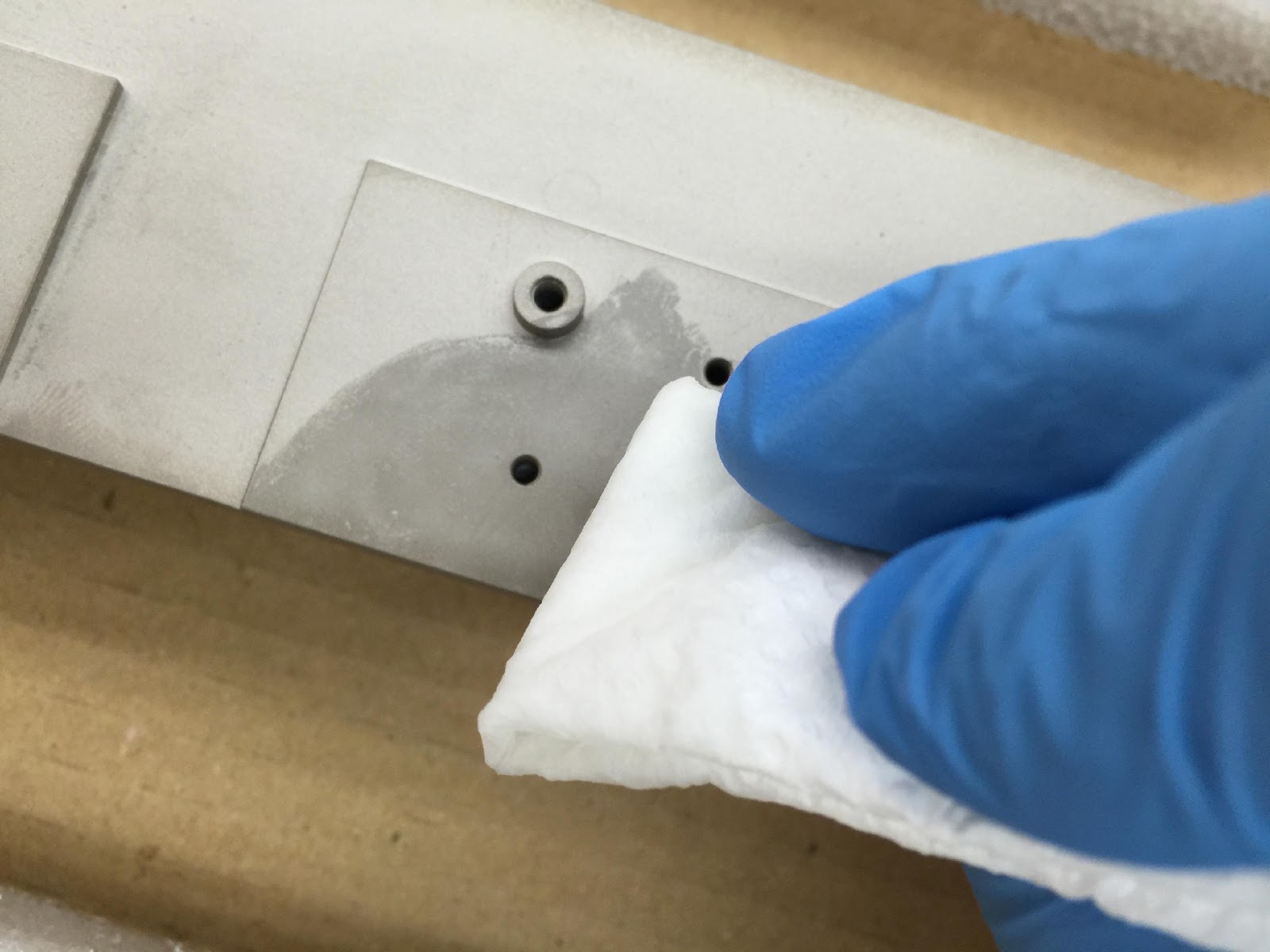
  2. Dip a kitchen paper towel with silicon dioxide film cleaner SMC04 (pH 5.0) and wipe for about 2 minutes until the surface is evenly clean. (Wipe until the medicine is dry, and the surface is invisible. No need to clean with water or alcohol after wiping)

    image15.jpg

    image16.jpg

    image17.jpg


Xiwei TM Silicon Dioxide Film Cleaner SMC04 (pH 5.0) was applied to JIS A356 aluminum alloy with a vibrating grinder to remove residual silicon marks from the surface release agent.

  1. Before washing. There are many lines of different colors scattered on the surface of the aluminum alloy workpiece. The customer said that the lines may be caused by the residue of silicon release agent.

    image18.jpg

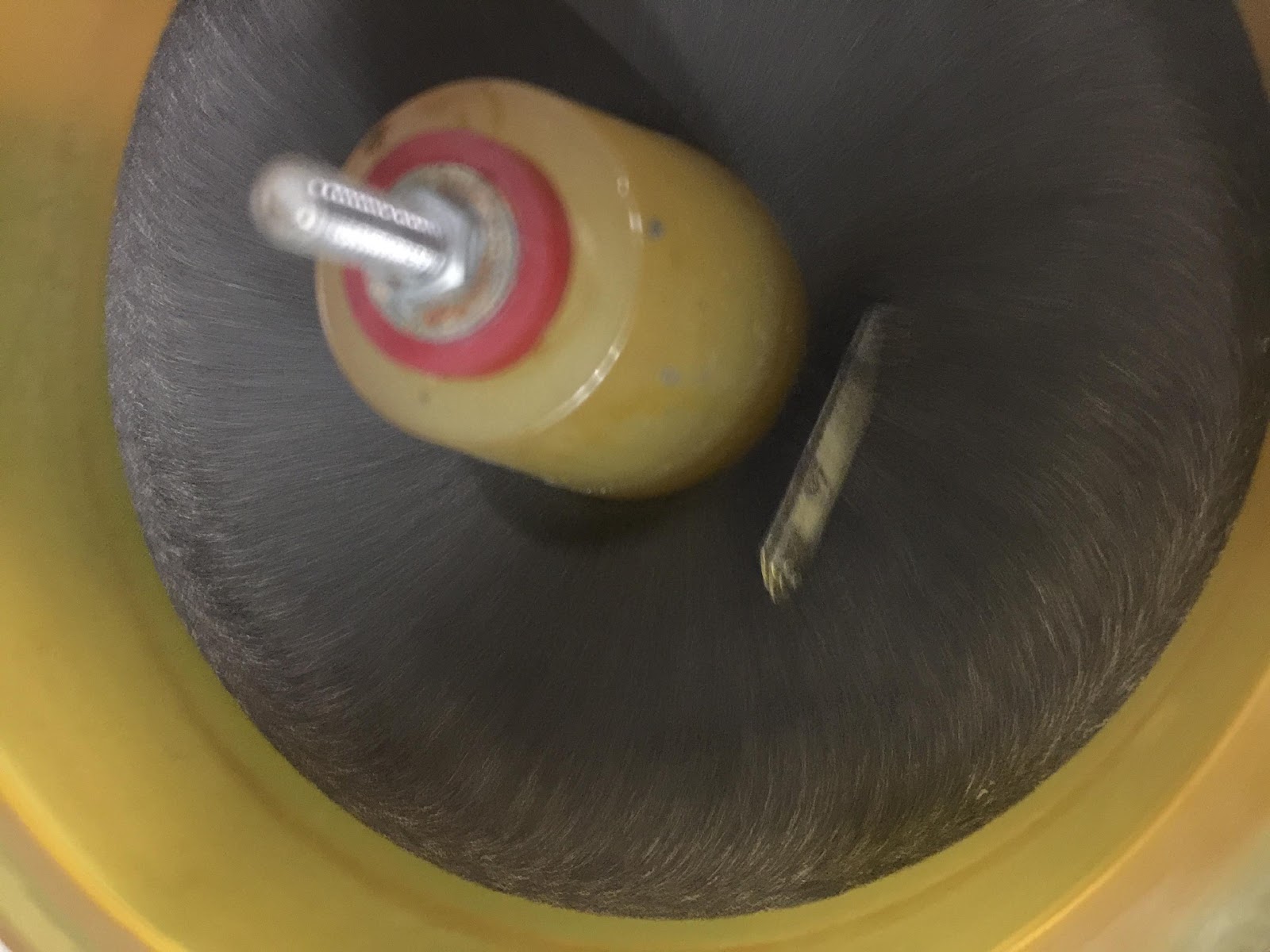
  2. Soak the workpiece in silicon dioxide film cleaner SMC04 (pH5.0), take it out after about 1 second. Put it into a vibration grinder (containing stainless steel sand with a particle size of 1 mm), and vibrate and grind for 1 minute. Take it out, soak it in SMC04 again, after 1 second, take it out and place it in a vibration grinder for 1 minute. So repeated 10 times. (This is a laboratory simulation test. During normal mass production, the workpiece should be drilled with a larger particle size (such as 5-10mm stainless steel sand or ceramic sand, mixed with 10-20% SMC04 to form a surface with chemical adhesion). Grinding for 5-10 minutes, there is no need to take out the workpiece to soak in the agent in the middle. Just add water to wash the dirt at the right time, and add the agent to the abrasive grains).

    image19.jpg

    image20.jpg

    image21.jpg

  3. After cleaning. Refer to the photo below. It is found that the surface of the aluminum alloy workpiece restores the metallic luster. Textures in different shades of color are also visibly improved.

    image22.jpg

  4. Compare. The photo below on the left is before washing. On the right is after cleaning.

    image23.jpg

    image24.jpg

  5. Repeat the test. Take another workpiece and repeat the verification.

  6. Repeat the test. Before washing.

    image25.jpg

    After cleaning.

    image26.jpg

  7. Results and discussion.
    7.1 SMC04 is equipped with a vibrating grinding machine, which can effectively remove the residual silicon lines on the surface of JIS A356 aluminum alloy.
    7.2 The choice of abrasive grains in the vibration grinder will affect the gloss and fineness after grinding. For example, if ceramic sand with higher hardness is selected, the "marks" caused by die-casting defects on the surface of aluminum parts after grinding can also be smoothed. But the "sharp corners" on aluminum parts may also be blunted. If softer stainless steel sand is used, the grinding time will be longer, and there will be no problem of passivation of the corners. However, the more obvious "flaws" on the surface of the workpiece are also less likely to be smoothed.
    7.3 It is not possible to directly add chemicals to the abrasive grains with a particle size of 1mm, because the chemical agent will make the abrasive grains stick to each other and cannot be ground. To pour SMC04 directly into the grit for grinding, it is recommended to use a grit of 5~10mm.